
Researchers: Qurban Donors Shift to Cheaper Animals This Year
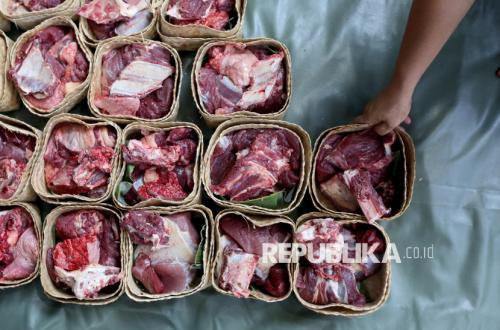
JAKARTA — The Institute for Demographic and Affluence Studies (IDEAS) estimates the national economic potential of Qurban this year at Rp26.89 trillion. This figure comes from approximately 1.9 million Qurban donor households with an estimated total of 1.59 million sacrificial animals.
According to IDEAS projections, the animals consist of 493,180 head of cattle and 1.09 million goats and sheep. The estimated distribution of Qurban meat is projected at 99,290 tonnes.
IDEAS researcher Tira Mutiara said the estimate was calculated using the number of Muslim residents with spending levels more than five times the district/city poverty line as a proxy for economically capable communities.
“Simulations also consider preferences for animal types and weights, from whole cattle to shared ownership of 1/7 cattle and goats and sheep in various weight categories,” Tira told Republika on Monday, May 25, 2026.
Despite the large figure, the 2026 Qurban economic projection shows a decline compared to 2025’s Rp27.10 trillion. The decrease is attributed to fewer households participating and reduced preference for larger animals.
IDEAS noted that cattle for Qurban are expected to drop by around 10,170 head and goats/sheep by approximately 3,430 compared to last year. This has also reduced the potential meat distribution by about 1,850 tonnes.
According to Tira, this shift reflects consumer behaviour adjustments amid domestic economic pressures.
“People are still striving to maintain their Qurban practice but are opting for more affordable animals. This is evident in the rising demand for goats and sheep weighing 40kg and 20kg,” she said.
She added that the shift signals early signs of declining purchasing power due to rising food prices, living costs, and livestock prices in recent years.