
Researchers Propose NASA Build Lunar Quarantine Facility to Protect Earth from Space Contamination
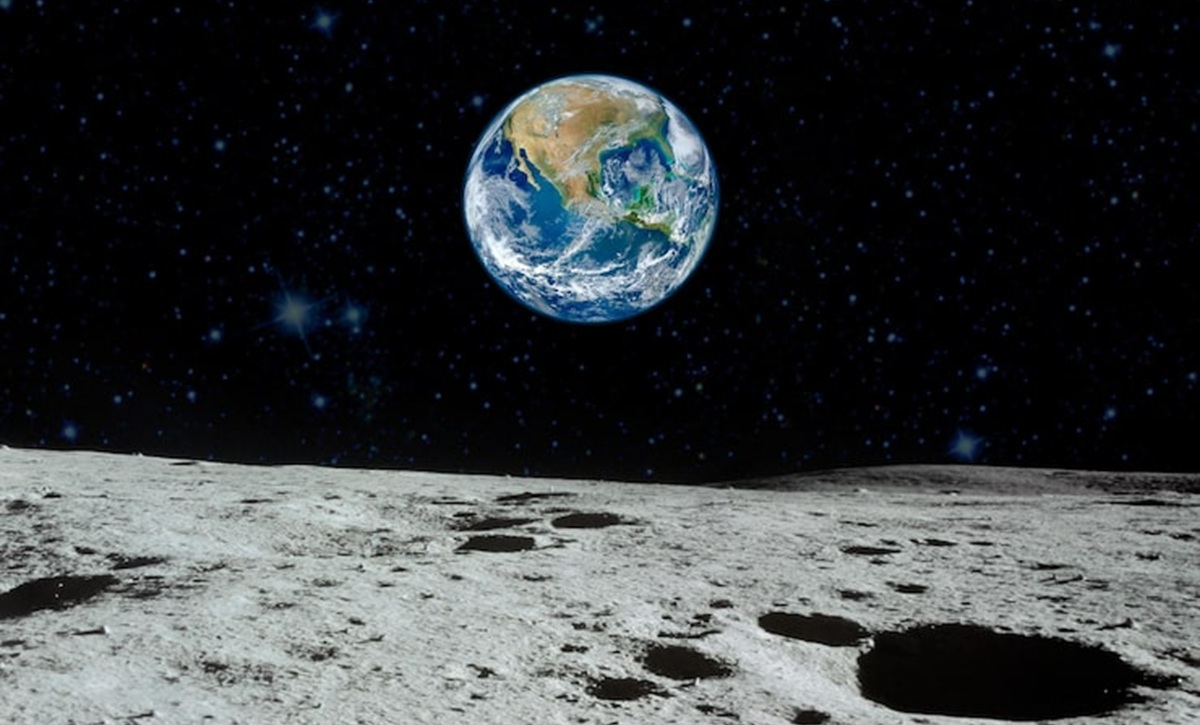
Intensifying space exploration plans are prompting scientists to devise new methods to protect Earth from potential biological threats. One of the latest proposals is to build a quarantine or biocontainment facility on the Moon to act as the first screening point for all samples brought back from space. The proposal was put forward in a policy paper published in the journal Ambio and reported by the McGill University Newsroom. According to the researchers, the facility could serve as the first line of defence to prevent the possible entry of alien organisms that could endanger Earth’s ecosystems. The paper explains that all material collected from the Moon, Mars, or other celestial bodies should not be sent directly to Earth. Instead, samples must first undergo quarantine and research processes in a dedicated facility on the Moon. Throughout this process, all sample handling is recommended to be carried out using high-tech robotic systems. This approach aims to reduce the risk of human exposure while preventing the accidental release of alien organisms into the environment. Although there is no confirmed evidence of extraterrestrial life to date, the researchers believe preventive measures are still necessary. The reason is that if an alien life form were indeed discovered and brought to Earth, its environmental impact would be difficult to predict. One of the study’s authors, Anthony Ricciardi, a biology professor at McGill University who studies invasive species, said decades of experience studying invasive organisms on Earth demonstrate the importance of vigilance towards any new life forms. ‘Decades of research on invasive species show that organisms introduced to places where they do not belong can spread uncontrollably and cause serious long-term impacts on ecosystems. Therefore, a highly cautious approach must be applied to the possibility of organisms arriving from outer space,’ Ricciardi was quoted as saying by the McGill University Newsroom. The researchers noted that the proposal also emerges amid intensifying competition in space exploration. Not only government agencies, but private space companies are now increasingly active in developing missions to the Moon, Mars, and other regions beyond Earth’s orbit. This situation, they argue, means biosecurity standards must be strengthened before the frequency of sample-return missions increases. The paper also reviews several worst-case scenarios that could occur, such as a spacecraft accident carrying contaminated material or astronauts previously exposed to extraterrestrial environments. The authors assess that no facility on Earth currently offers an absolute guarantee of being able to contain, destroy, or control unknown alien microorganisms should such an incident occur. Therefore, building a quarantine facility on the Moon is considered a safer solution. If potentially dangerous organisms are found, the research process can be conducted far from Earth, thereby minimising the risk of environmental spread as much as possible. The researchers concluded that the search for extraterrestrial life could potentially be one of the greatest scientific achievements in human history. However, they stressed that this effort must be balanced with an adequate protection system so that space exploration does not instead bring new risks to life on Earth. In their view, the Moon could serve as the first biological fortress before extraterrestrial material is permitted to enter this planet.