
Researchers Propose Asymmetric Regional Elections Based on Local Characteristics
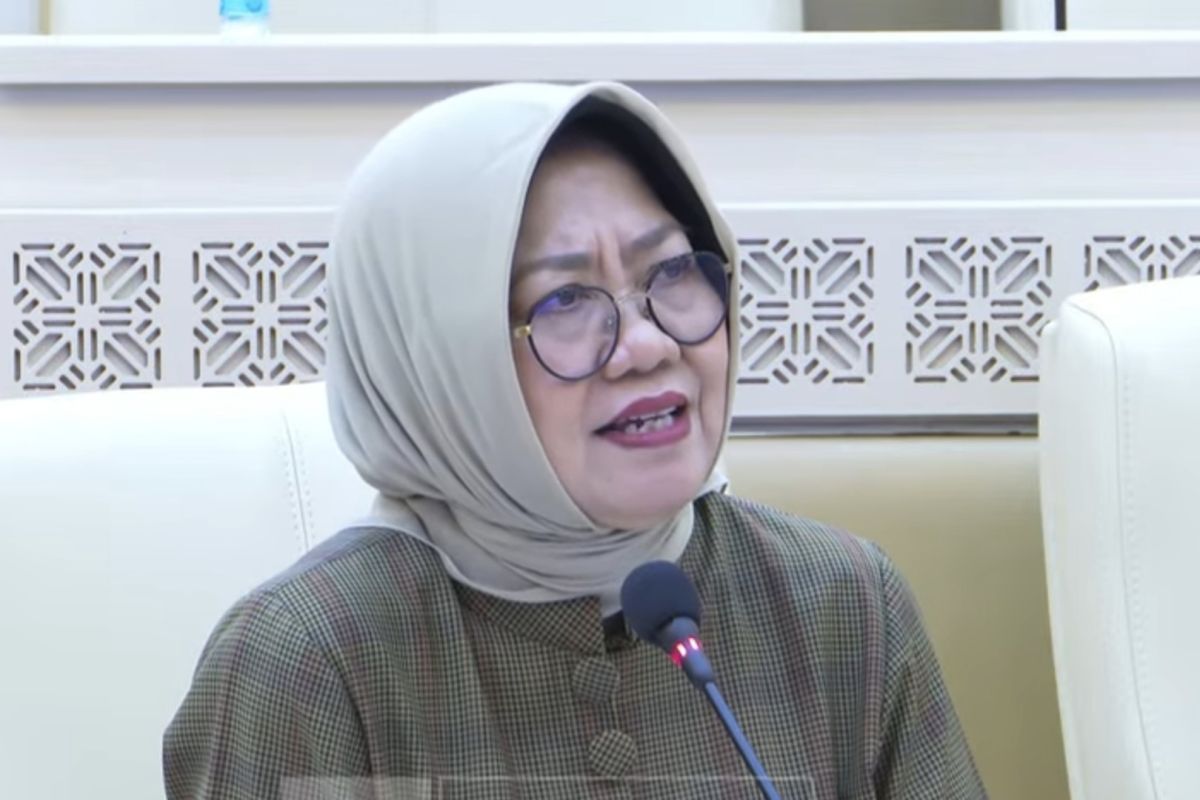
Jakarta (ANTARA) - Political researcher from the National Research and Innovation Agency (BRIN), Siti Zuhro, has proposed that regional head elections (Pilkada) be held asymmetrically, based on the specific characteristics of each region. According to her, the proposal for asymmetric elections stems from the disparities in fiscal capacity across regions, as well as varying social and political conditions. She noted that this approach could promote efficiency within the framework of decentralisation and regional autonomy.
“A uniform election design actually has the potential to be inefficient, expensive, and to weaken local governments,” Siti stated during a meeting with Commission II of the Indonesian House of Representatives (DPR RI) at the parliamentary complex in Jakarta on Tuesday.
She explained that an asymmetric election model would allow for varied selection mechanisms, ranging from direct elections to indirect elections through regional legislatures (DPRD), or even appointments, depending on the characteristics of the region. Furthermore, she suggested that asymmetric elections could serve as an adaptive democratic design, rather than being treated as an exception. She argued that this has the potential to guarantee the effectiveness of local governments and the quality of local democracy.
According to her, this model aligns with the approach of Article 18, Paragraph 4 of the 1945 Constitution regarding regional heads—whether regents, mayors, or governors—being democratically elected. On the other hand, she also urged that improvements to the electoral system be implemented comprehensively rather than partially, including reforms to the political party system.
She stated that competition between cadres within political parties must be conducted healthily and without resorting to any means, in order to foster the institutionalisation of political parties and build public trust. “In practice in Indonesia, this actually triggers expensive and transactional intra-party competition. This condition weakens the role of political parties as institutions and shifts the focus from programmes to individual popularity,” she said.