
Researchers: Hormuz Crisis Triggers Acceleration of Renewable Energy Policies
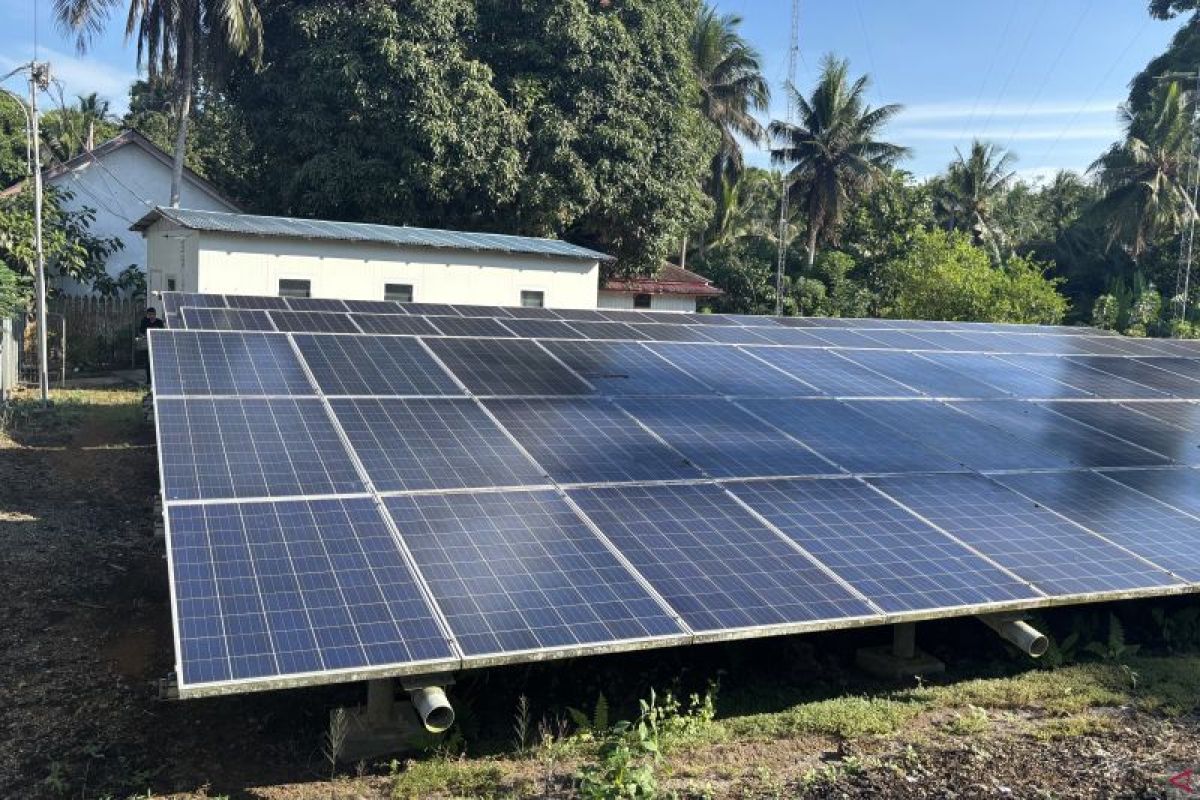
Since the outbreak of war, long-term clean energy policies have overtaken fossil fuel initiatives, and these policies are being translated into concrete actions.
Jakarta (ANTARA) - Research from Zero Carbon Analytics shows that the energy crisis triggered by geopolitical conflicts and disruptions to oil distribution routes in the Strait of Hormuz is prompting Indonesia and several Southeast Asian countries to accelerate the implementation of renewable energy policies.
“Our latest research indicates a shift in Southeast Asia’s energy transition. Since the outbreak of war, long-term clean energy policies have surpassed fossil fuel initiatives, and these policies are being translated into real action,” said Amy Kong, Senior Energy Transition Researcher at Zero Carbon Analytics (ZCA), in a statement received in Jakarta on Friday.
In Indonesia, ZCA’s analysis noted five renewable energy and electrification policies, four fossil fuel policies, one biofuel policy, and one nuclear policy.
At a regional level, the Philippines leads with the highest number of clean energy policies at 1s3, while Singapore has the fewest with two policies.
ZCA also highlighted Indonesia’s move last March, which announced a target to add 100 GWp of solar power over the next three years. This target will also be included in the revision of the Electricity Supply Business Plan (RUPTL) 2025–2034.
The first phase consists of 14 power plants across six provinces and was launched last August with a total capacity of 5.3 GW. Several recorded projects fall under the Just Energy Transition Partnership (JETP) scheme, such as the 92 MWp Saguling project.
Additionally, Indonesia’s electric vehicle incentive package is underway, with incentives expected to be available around the third quarter of 2026. This package includes up to 100 per cent Value Added Tax (VAT) exemptions for the purchase of certain electric vehicles and targets 500,000 units of electric motorcycles and cars.
“The government needs to follow up with stronger policy support for grid infrastructure, such as batteries and storage systems, to ensure clean electricity can be utilised at all times,” said Yu Sun Chin, Senior Asia Regional Researcher at Zero Carbon Analytics.
Source: jawawa.id (https://jawawa.id/newsitem/researchers-hormuz-crisis-triggers-acceleration-of-renewable-energy-policies-1790334420)
Originally published by Antara (Indonesian) (https://www.antaranews.com/berita/5758492/peneliti-krisis-hormuz-picu-percepatan-kebijakan-energi-terbarukan), translated from Indonesian