
Researchers highlight potential of palm oil waste for MSME products
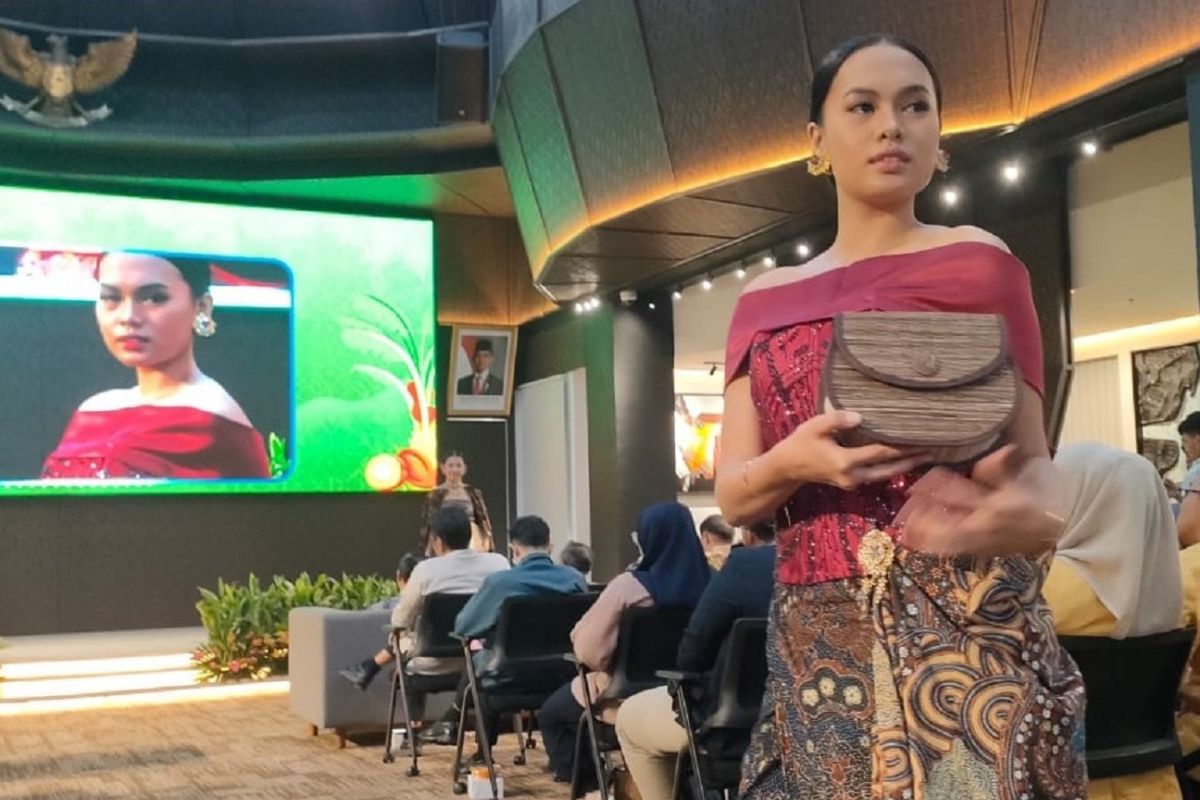
Researchers have emphasised that palm oil waste holds significant potential to be utilised for various products and crafts by micro, small, and medium enterprises (MSMEs), offering high added value. Siti Nikmatin, a lecturer and researcher at the IPB University Palm Oil Study Centre, stated that utilising palm oil waste for MSME products and crafts can enhance economic value while supporting the development of a more sustainable and environmentally friendly national palm oil industry. “Optimising the potential of this waste demonstrates that palm oil commodities have strategic value that can be developed sustainably, thus providing broad benefits for the lives of the Indonesian people,” she said in a statement in Jakarta on Monday. She cited the utilisation of empty fruit bunches (EFB), which are in abundant supply and possess enormous potential. The availability of empty fruit bunches at palm oil mills is plentiful, based on the assumption that approximately 23 percent of fresh fruit bunches become empty fruit bunches with a dry matter content of 35 percent. Based on this condition, the potential availability of EFB in Indonesia is estimated to reach 16 million tonnes per year and will continue to increase along with the growth in national fresh fruit bunch production. “So, every day, palm oil waste will accumulate at crude palm oil processing plants,” she said. She added that so far, EFB has only been used as organic fertiliser in the surrounding plantation areas. Through innovation, this waste can be processed into raw materials for various products with higher economic value. Nikmatin noted that initiatives to develop MSME products based on palm oil waste have already been undertaken by business actors in Indonesia. She cited PT Intertisi Material Maju (IMM) as an example, which has successfully processed EFB into various high-value MSME products such as helmets, bags, footwear, batik, bulletproof vests, and even vehicle air conditioner filters. The development of MSME products based on palm oil waste at PT Intertisi Material Maju originated from research activities that began in 2015 with funding support from the Palm Oil Plantation Fund Management Agency (BPDP). According to her, BPDP plays a crucial role in encouraging research and innovation related to the utilisation of palm oil waste. This support not only provides economic benefits through the creation of innovative and competitive products but also has a positive environmental impact by reducing industrial waste. From a social perspective, she added, this development also opens up opportunities for community empowerment around plantation areas and processing plants through involvement in the production process. Nikmatin assessed that BPDP has consistently demonstrated its commitment to promoting the development of various palm oil derivative products, including the processing of palm oil waste into value-added, environmentally friendly, and competitive products that have the potential to become a new source of income for the community. “The utilisation of palm oil waste certainly has great potential to lead the sector to grow and advance sustainably. Moreover, our supply of palm oil waste is abundant,” she said.