
Researchers Discover Method to Reduce Extreme Side Effects of Kidney Disease Drug
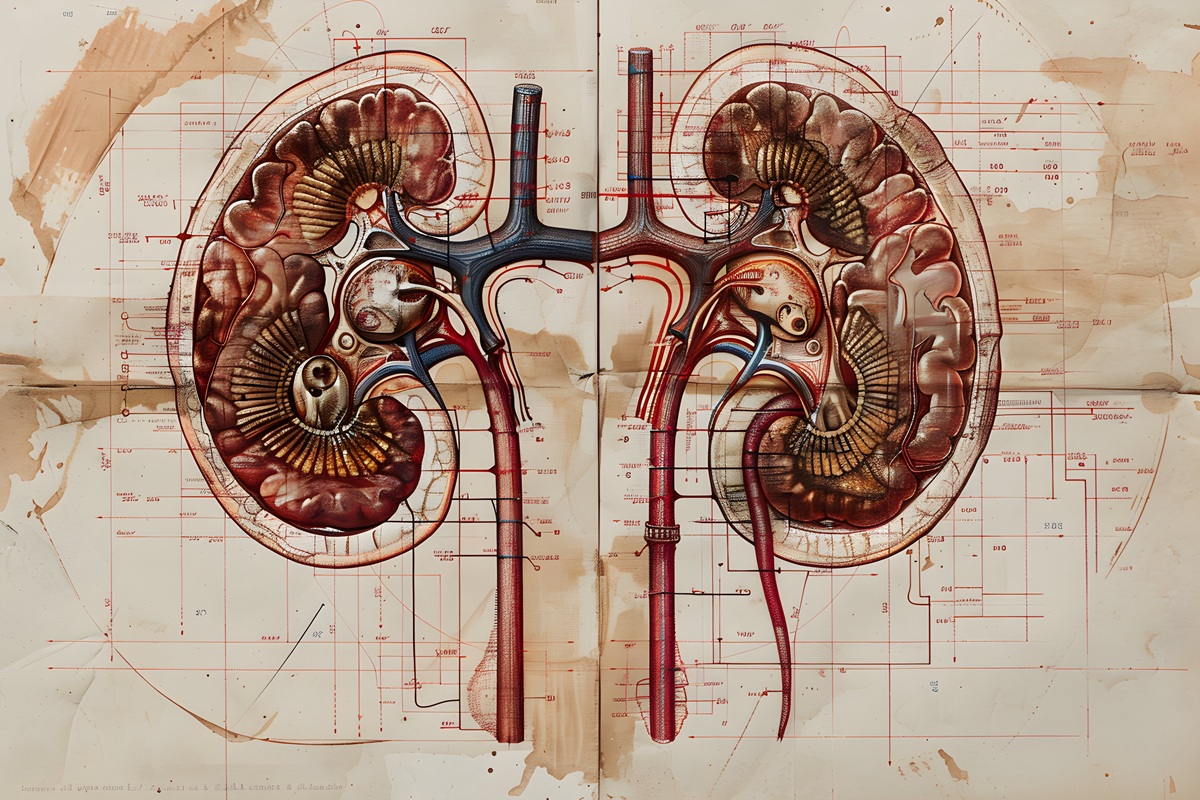
Tolvaptan is recognised as the only drug approved to slow the growth of cysts in patients with polycystic kidney disease (PKD). However, it carries a distressing side effect for patients: excessive urine production of up to six to seven litres per day. As a result, patients are forced to wake up repeatedly during the night to use the bathroom. For some, this burden is so difficult to bear that they choose to stop taking the medication. Now, an accidental discovery using an old drug could change this reality. The discovery began in the laboratory of Dr. Fouad Chebib, a nephrologist at the Mayo Clinic. His team was studying kidney cells to observe the progression of polycystic kidney disease, the most common hereditary disease that damages healthy kidney tissue and leads to kidney failure. At the time, researchers were testing the compound probenecid, a drug from the 1940s originally used to maintain penicillin levels in the body during wartime. Initially, they suspected probenecid would worsen cyst growth. Instead, the opposite occurred. ‘We thought this drug would make the disease process worse. Instead, it did the exact opposite,’ Chebib said. For decades, the scientific world believed the body retained water primarily through a single hormone, vasopressin. Tolvaptan works by blocking vasopressin signals to slow cyst growth, but the side effect is that the body expels massive amounts of fluid. Through this study, Chebib’s team discovered a second, previously hidden pathway. The molecule involved in this alternative pathway is urate, a substance that typically accumulates in the joints of gout sufferers. Inside kidney cells, urate acts as an independent signal, instructing water channels in the cell wall to move to the surface so the kidney can retain more water and produce more concentrated urine without the help of vasopressin. Armed with this new understanding, the research team combined probenecid with tolvaptan in animal tests and then in a small group of patients. The results showed that the combination successfully reduced urine volume by a third without diminishing tolvaptan’s effectiveness in inhibiting cysts. Patients who previously had to wake up multiple times a night reported waking only about once and felt significantly better physically on a daily basis. This approach was purely designed to ease the treatment burden for patients, not to replace the existing drug. ‘The goal is to maintain the therapeutic benefit of tolvaptan while reducing its burden,’ Chebib explained. Although probenecid itself is unlikely to be used widely because it affects many other organs and its supply is becoming scarce, the discovery of the urate pathway opens a new target for future drug developers. The research has been officially published in the Journal of Clinical Investigation.