
Researchers Create Human Brain Computers, Raising Ethical Concerns Over Donor Consent
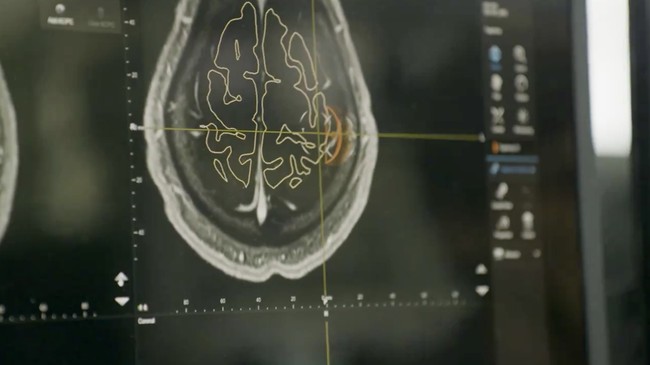
The development of technology has led many to compare the workings of the human brain with computers. Some studies have even tested and attempted to build computers containing cultured brain cells. Research is now advancing towards brain networks that combine memory and computation within the same substrate. While the potential is significant, it also raises considerable problems. In an article published in Nature, Nada Salem of Harvard Medical School and her team state that one undiscussed issue in the use of brain networks for computation is the lack of explicit consent for using human neural tissue in biological computing. Typically, those who donate their tissue for biomedical research consent to specific studies. They might also be asked if leftover specimens can be stored and used in future research, known as open consent. However, the study published in Nature suggests that most donors are unaware, and consent forms likely do not ask what types of research their tissue may be used for. The forms do not ask donors what kind of research they would want their cells to be used for in the future, or, more importantly, what uses they would find undesirable. The team of authors stresses the need for more explicit donor consent for research using lab-grown brain tissue. They argue that researchers should also avoid using cell lines that were only authorised for ordinary biomedical research. The authors acknowledge that some researchers and ethicists might dismiss these ethical concerns, as it is nearly impossible to obtain prior permission for scientific developments that are not always predictable. However, open consent can also be detrimental if applied carelessly. Furthermore, the use of open consent is typically only considered ethical if it remains within the biomedical domain. Some donors have already expressed concerns about their samples being used for commercial purposes. Others want to know the specific purpose of research when their cells are made into brain organoids, with some even wanting the right to withdraw consent if they disagree with future research using their tissue. Consequently, the authors emphasise that brain-based biological computing research requires strict ethical oversight, given donor concerns and the possibility of future non-biomedical commercial products, such as voice and facial recognition technology. They concluded that an unbounded consent approach is not a good ethical solution in this case.