
Researchers: Algorithms Become New Actors in Digital Political Communication
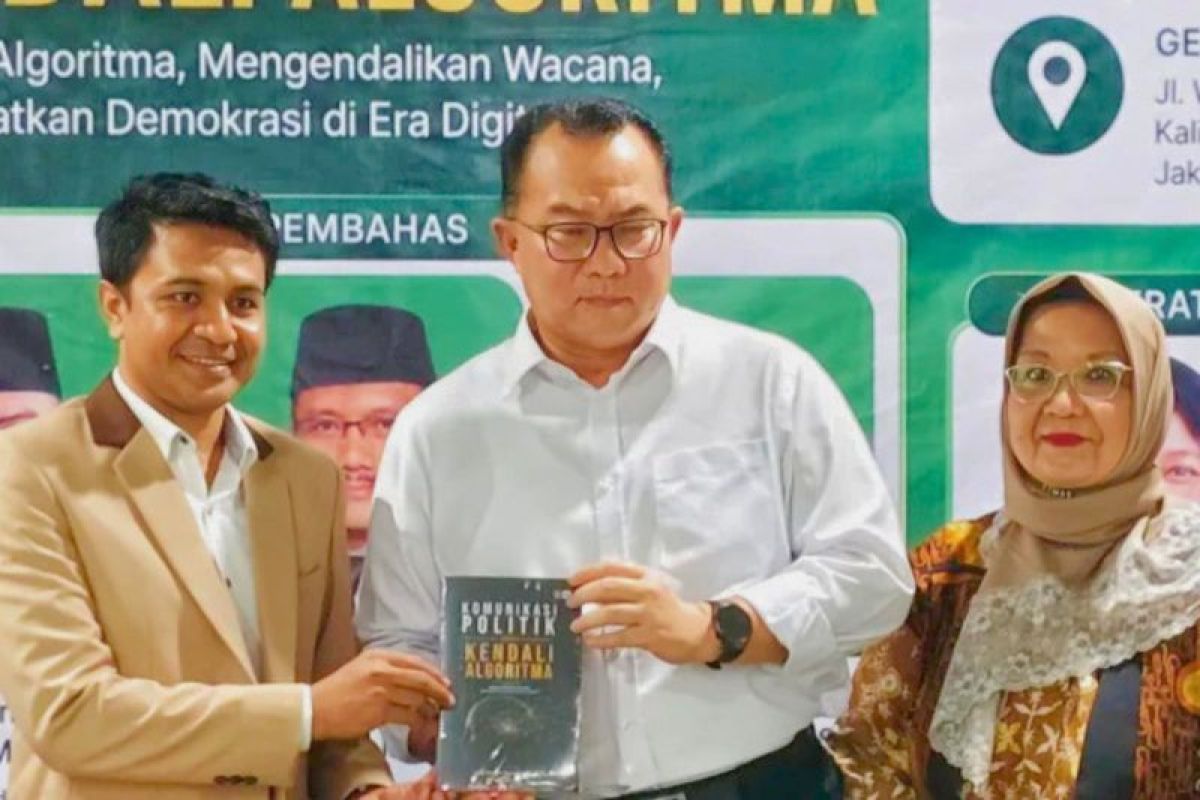
Researcher in digital political communication and media literacy Liza Fitriani Nurkholi has assessed that algorithms have developed into new actors in digital political communication. She said the presence of algorithms influences how society receives, disseminates, and evaluates various political information. “Algorithms no longer function as neutral tools in shaping the flow of public information,” Liza stated in a release received in Jakarta on Tuesday. According to her, the logic of virality often overrides the quality of argumentation in various political conversations developing through social media. She noted that attention-grabbing content is not necessarily true, yet often gains wider reach compared to quality information. Therefore, she and Alfarisi Thalib launched the book ‘Political Communication Under Algorithmic Control’ in Jakarta on Saturday (20/6). The book discusses the influence of algorithms on the formation of political discourse and the strengthening of democracy in the digital era, as well as explaining the changing role of algorithms in modern political spaces. Political, democracy, and security researcher Alfarisi Thalib said the idea for writing the book arose from the political dynamics during the 2024 Indonesian Presidential Election. “At that time, the spread of hoaxes was rampant. In the digital world, especially social media, it became a jungle; we could not understand which content was genuine or fake,” said Alfarisi. He explained that this condition prompted both of them to engage in lengthy discussions about the phenomenon of information dissemination in digital spaces. The two authors then reviewed various references to understand the factors influencing social media user behaviour. He argued that this phenomenon not only affects the general public but also academics and politicians. Many parties were considered to be involved in spreading information without fully understanding the validity of the sources used. Thus, he said, not only ordinary people but also academics and even politicians were trapped into spreading various false information, which eventually led to his and Liza’s agreement to write about the cause of this. Through the research and writing process, the two authors discovered factors influencing social media user behaviour. These factors were deemed to play a significant role in encouraging public engagement in various digital conversations. Alfarisi assessed that algorithms have become one of the main forces shaping the flow of information in digital spaces, which are filled with diverse information that is difficult to verify for truth and authenticity. “The public gains ease of access to information through various social media platforms every day, yet the public often faces difficulty distinguishing valid information from misleading content that circulates widely,” he said.