
Researcher: Waste-to-energy plants an integrated solution for Bali's waste crisis
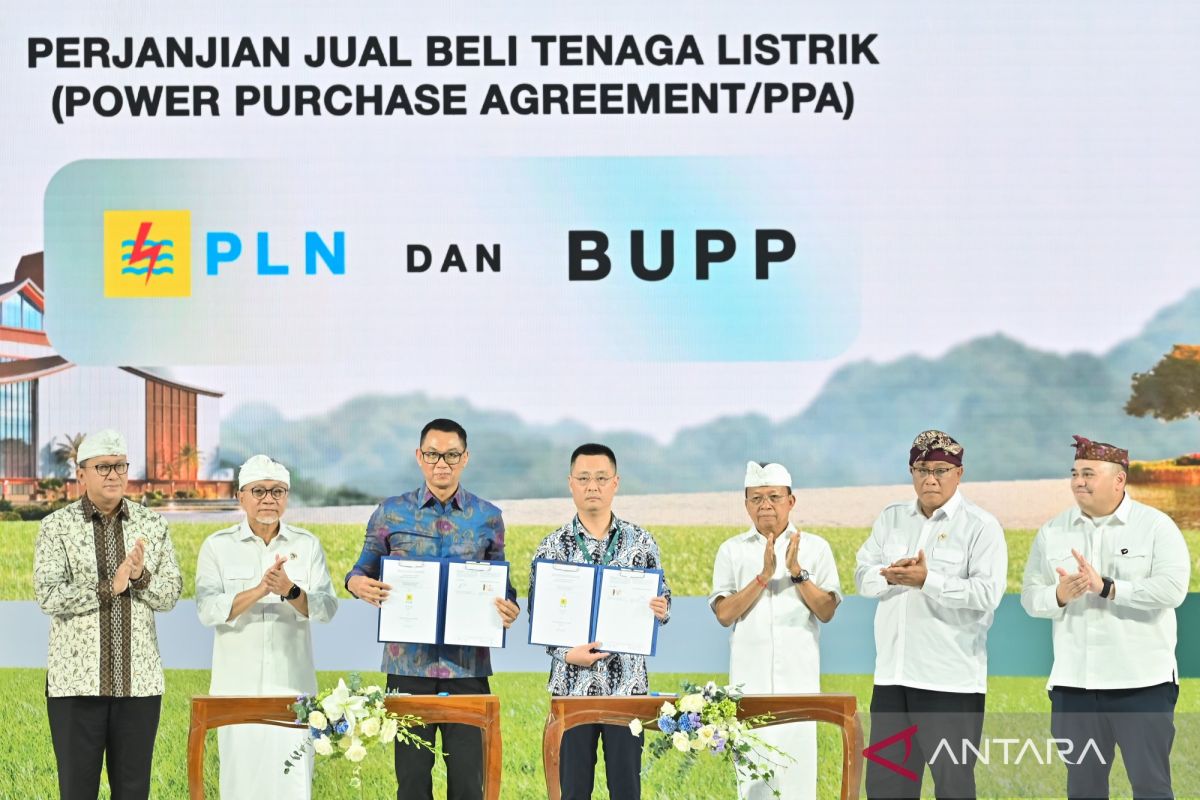
Jakarta (ANTARA) - Waste-to-Energy (PSEL) plants are considered an integrated solution to address the waste crisis in Bali by processing residue into energy, improving governance, reducing emissions, and supporting environmental sustainability.
“The development of PSEL is a positive signal that the government remains committed to fixing the waste management system in Bali,” said Ida Baggsub Mandhara Brasika, a researcher in Waste and Climate Change from Udayana University, in a statement confirmed in Jakarta on Wednesday.
Waste accumulation in Bali, which reaches approximately 3,500 tonnes per day, has become a serious challenge that can no longer be resolved solely by relying on landfills (TPA).
In addition to threatening environmental cleanliness and the tourism sector, waste accumulation also increases the risk of water pollution, greenhouse gas emissions, and even fires caused by the accumulation of methane gas.
Ida Bagus assessed that the waste issue in Bali has currently reached a stage that requires comprehensive remedial measures, rather than just the addition of infrastructure.
“The waste problem in Bali is very urgent, considering the high percentage of unmanaged waste, which exceeds 50 per cent,” he said.
“With various waste facilities, ranging from Integrated Waste Treatment Sites (TPST) to landfills (TPA), being stalled, it certainly increases waste leakage into the environment. This has had a tangible impact, including the accumulation of major flooding events in Bali in 2025,” added Ida Bagus.
Source: jawawa.id (https://jawawa.id/newsitem/researcher-waste-to-energy-plants-an-integrated-solution-for-balis-waste-crisis-1783511717)
Originally published by Antara (Indonesian) (https://www.antaranews.com/berita/5640911/peneliti-psel-solusi-terintegrasi-atasi-sampah-di-bali-jadi-energi), translated from Indonesian