
Researcher values minimum wage internship as solution for educated unemployment
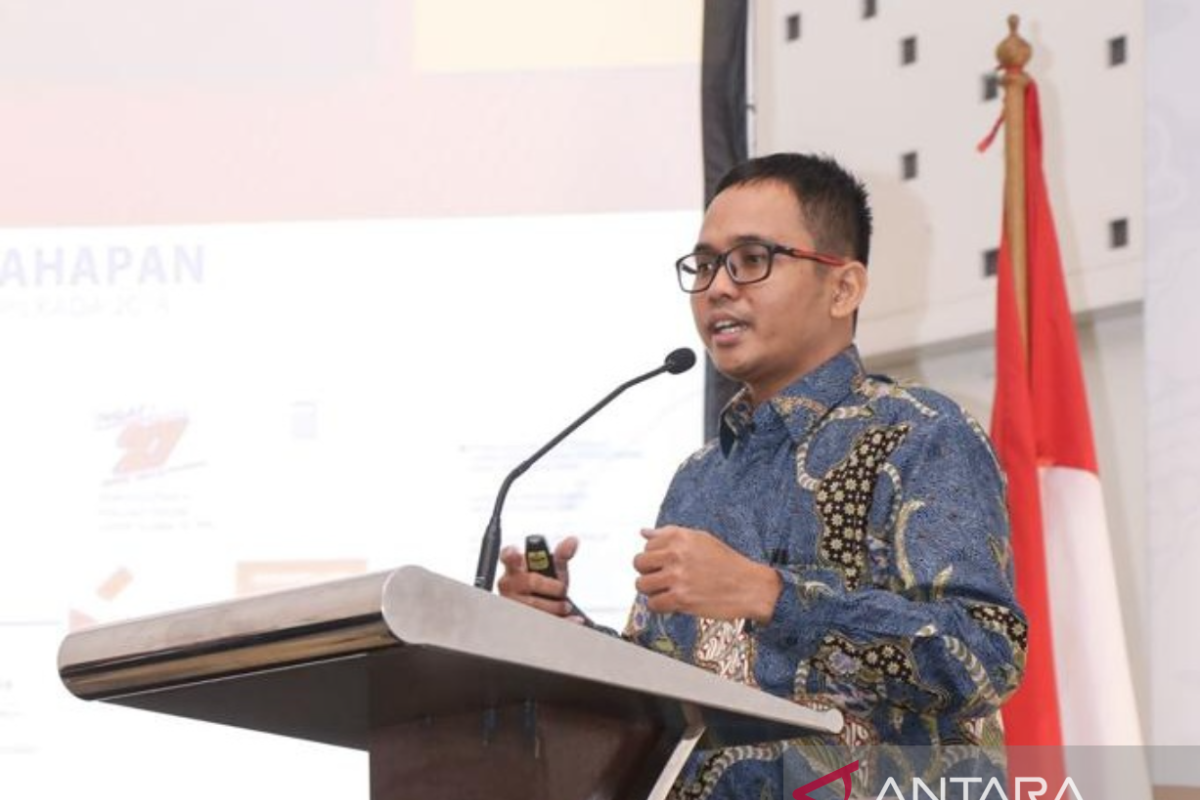
Jakarta - Indikator Politik Indonesia researcher Bawono Kumoro has assessed that the National Internship Programme 2026 could become a short-term solution to address the high number of educated unemployed in Indonesia. According to Bawono, the internship allowance scheme, valued at the equivalent of the Provincial Minimum Wage (UMP) or Regency/City Minimum Wage (UMK), is a government policy breakthrough that deserves appreciation, as it has never been implemented before on a large scale for recent university graduates. Bawono stated in Jakarta on Wednesday that the paid internship programme is commendable because previous administrations had not implemented it on a large scale with support equivalent to the minimum wage. “The fresh graduate internship programme with a salary equivalent to the provincial minimum wage or UMP, as a government policy breakthrough never done in the past, certainly deserves appreciation,” Bawono said. He assessed that this policy arrives amid the challenge of a growing number of university graduates struggling to find jobs due to a lack of work experience. “Amid the pressure of rising educated unemployment figures, a UMP-paid internship programme like this is certainly attractive and could be a short-term solution,” he stated. Bawono explained that for new graduates, an internship programme can be an important entry point to get to know the working world, build professional networks, and open up opportunities to be permanently recruited by the company where they intern. “For fresh graduates, an internship programme can be an important entry point for them to gain their first work experience, build professional networks, or even be recruited permanently. In the context of an increasingly competitive job market, such experience is certainly very valuable,” he said. He conveyed that one of the problems often faced by university graduates so far is a lack of work experience, making it difficult to compete in the labour market. “This UMP-paid internship programme can also be an answer to the classic problem where not a few university graduates have very minimal experience,” Bawono said. In fact, according to him, if the government was previously known for various wage subsidy programmes for workers with certain criteria, then the paid internship scheme can be viewed as a form of competency investment for the younger generation. “If we have previously known wage subsidies from the government to workers with certain criteria, it is not excessive to call the UMP-paid internship programme a competency subsidy for fresh graduates,” he said. Bawono assessed that the successful implementation of the programme could potentially encourage the birth of a sustainable national internship system. “It is not impossible that if this programme runs successfully, it could become a sustainable national internship programme,” he stated. Previously, the Ministry of Manpower confirmed that the National Internship Programme 2026 will reopen next July with a quota of up to 150,000 participants, an increase compared to the previous implementation. The programme is intended for diploma (D3) and bachelor’s degree (S1) graduates who are fresh graduates or a maximum of one year after graduation. Participants are required to undergo a six-month internship and there is no age limit for registration. In addition to gaining work experience in the industrial world, participants will also receive an allowance whose value follows the UMP or UMK according to the placement area. The allowance amount in several regions even reaches more than Rp5 million per month. The Ministry of Manpower also urged prospective participants to prepare a SIAPKerja account as the main registration requirement in order to follow the selection process when official registration opens. The National Internship Programme is designed as a transition bridge for fresh graduates before fully entering the workforce through competency strengthening, professional experience, and increased competitiveness in the job market.