
Researcher urges shift from reactive to anticipatory disaster management
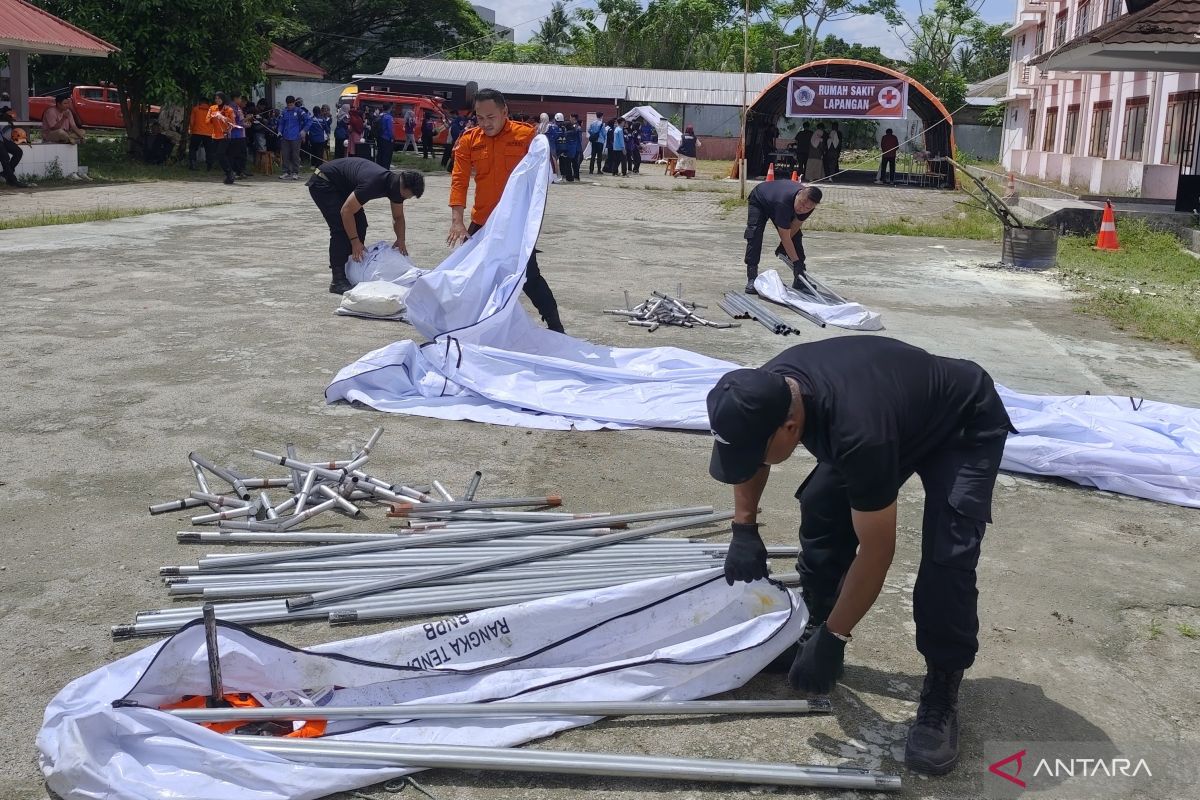
Jakarta (ANTARA) - Made Natasya Restu Dewi Pratiwi, a researcher at The Indonesian Institute (TII), has proposed that disaster management in Indonesia shift from a reactive to an anticipatory approach.
Speaking in Jakarta on Tuesday, Natasya said the change in approach was necessary so that assistance and protection for communities could be prepared before the worst impacts of a disaster occur.
“Ultimately, the East Nusa Tenggara earthquake must serve as a momentum to change the way Indonesia manages disasters, from reactive to anticipatory, responsive, and collaborative,” she said.
Natasya further assessed that the earthquake that struck East Nusa Tenggara (NTT) showed that disaster handling is not only about the magnitude of the threat, but also about the government’s readiness to provide assistance and protection for affected communities.
She said the situation becomes even more burdensome for vulnerable groups such as pregnant women, women in labour, breastfeeding mothers, children, the elderly, and persons with disabilities, who face different obstacles in obtaining healthcare services, evacuation information, and aid.
“Groups that from the outset have limited access to information, mobility, healthcare services, or resources will face greater risks when the disaster handling system is not designed inclusively,” she said.
She went on to explain that anticipatory action refers to measures taken before the worst impacts of a disaster occur, based on forecasts or risk analysis.
Such data can serve as a basis for preparing stockpiles of relief supplies, reproductive health equipment, necessities for infants, pregnant and breastfeeding mothers, and mobility aids before a disaster strikes.
Natasya also encouraged strengthening community capacity through disaster training and simulations so that residents understand evacuation routes, healthcare referral centres, and shelter locations.
In addition, early warning information must be ensured to be understandable and actionable by the public, including through socialising disaster risk applications such as Info BMKG.