
Researcher: Strengthening El Nino could push global temperatures higher again
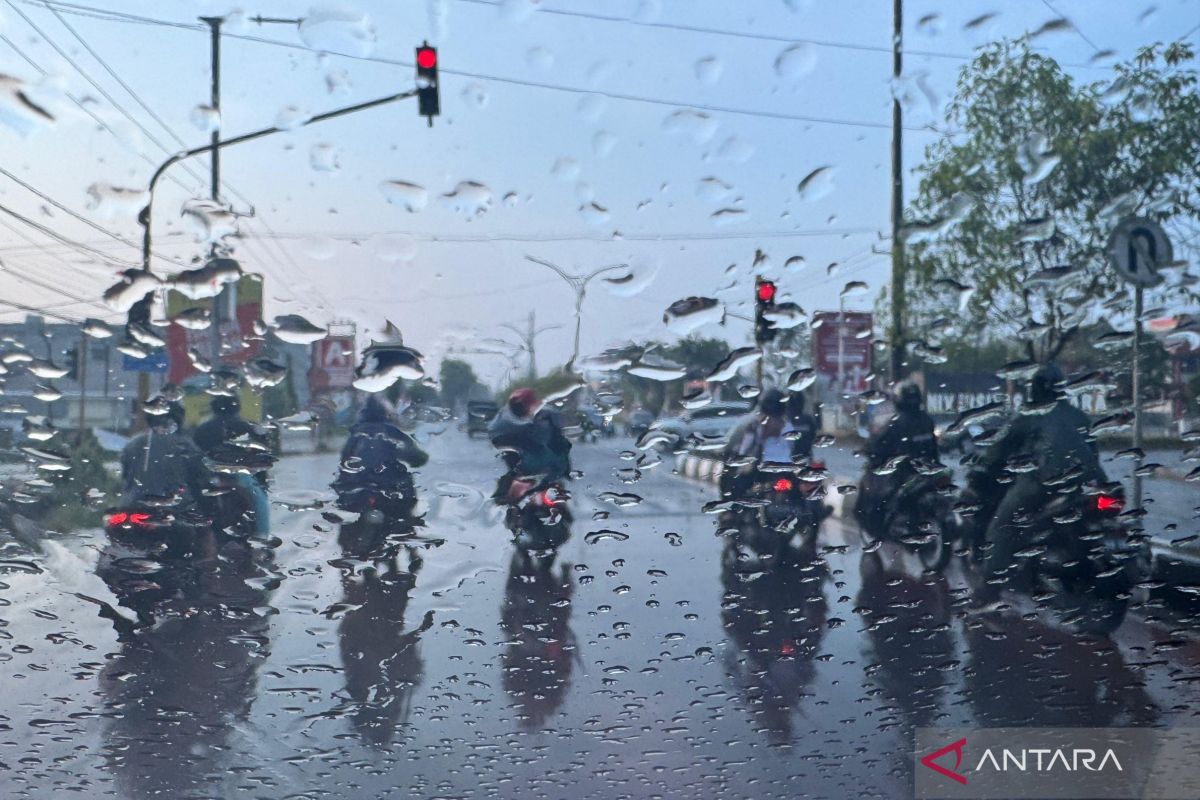
The strengthening of El Nino could raise global temperatures in the coming months, while a concurrent positive Indian Ocean Dipole (IOD) may worsen heat risks at the regional level, according to Turkish climate scientist Levent Kurnaz.
The director of the Center for Climate Change and Policy Studies at Bogazici University assessed that there will be a surge in average temperatures worldwide.
“When the short-term contribution of El Nino is added to a climate system that is already warming, we are likely to witness record high temperatures in the coming months,” Kurnaz said.
El Nino is a recurring climate pattern characterised by warmer-than-normal sea surface temperatures in the tropical Pacific Ocean that can affect weather around the world.
Meanwhile, a positive IOD is a similar ocean-atmosphere interaction pattern in which waters in the western Indian Ocean become warmer than normal, while waters in the eastern part become cooler.
Based on data from the International Research Institute for Climate and Society at Columbia University, sea surface temperatures in the Niño 3.4 region—the main area for monitoring El Nino—were recently recorded at 2.1 degrees Celsius above the long-term average.
That followed anomalies of 0.98 degrees in April-May 2026 and 1.55 degrees in June.
Kurnaz stated that an anomaly of 2 degrees or more is generally categorised as a very strong El Nino.
He added that forecasts for the August-October period indicate the phenomenon could be comparable to previous major events, such as those in 1997-1998 and 2015-2016.
The World Meteorological Organization (WMO) expects El Nino to be the dominant factor influencing the global climate during the August-October period, increasing the likelihood of above-normal temperatures in most parts of the world and altering rainfall patterns.
Kurnaz said the impacts could include an increased risk of drought in Indonesia, eastern Australia and southern Africa, while the eastern Pacific and western South America may face higher rainfall and flooding.
He also noted that El Nino typically suppresses Atlantic hurricane activity.
He said the simultaneous emergence of a positive Indian Ocean Dipole could reinforce some of these impacts.
“The fact that a positive Indian Ocean Dipole is occurring in the same period creates an overlap that combines the effects of both systems, creating conditions in which regional risks can be felt far more strongly than in previous periods,” Kurnaz said.
He added that climate change is also an important factor, with rising global temperatures providing a higher starting point for El Nino-related heat.
For Turkiye, he said El Nino is not expected to cause extreme changes in rainfall, but could contribute to sustained temperature anomalies and prolong periods of high wildfire risk, particularly in the Mediterranean region.