
Researcher Reveals Anatomy of Alleged Corruption by Former Jampidsus, from Money Laundering to Modus Operandi
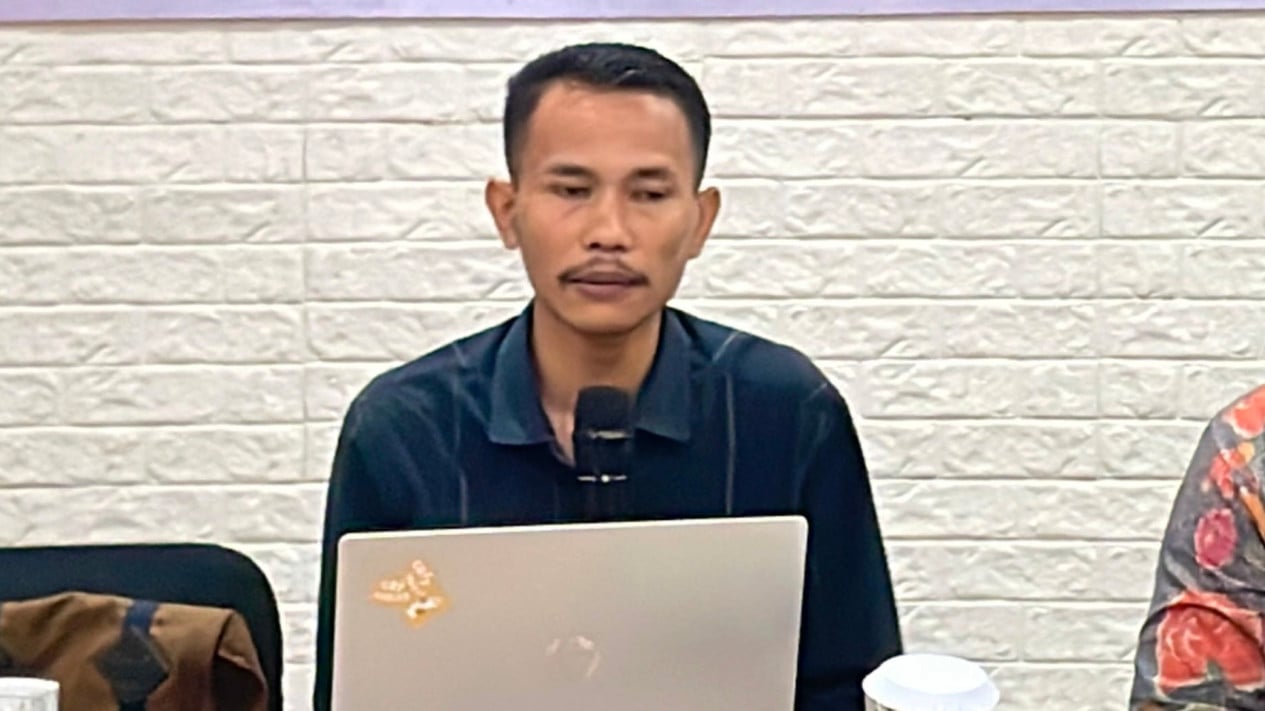
The corruption scandal implicating former Junior Attorney General for Special Crimes (Jampidsus) Febrie Adriansyah is being viewed as a real portrait of structural crime that spreads from the upstream extraction of natural resources to a crisis in law enforcement in Indonesia. This was conveyed by Legal Development and Human Rights Political Researcher Hasnu Ibrahim during a public discussion titled ‘From PLTU Coal Corruption to Money Laundering, Dissecting the Anatomy of Corruption and TPPU in the Former Jampidsus Scandal’ held by the Indonesian Anti-Corruption Community Coalition (Kompak) in Central Jakarta on Thursday, 23 July 2026. Hasnu revealed that the case of the former Jampidsus is merely the tip of the iceberg of grand corruption practices involving the inner circle of law enforcement. Hasnu detailed the fantastic scale of the corruption scandal. Investigators found evidence in the form of cash worth Rp 476 billion and 74 kg of gold bars seized from 12 locations, including a safe house in Sentul. ‘However, we must not be fooled by the 74 kg of gold and billions of rupiah in cash. Because we can learn from several major scandals in Indonesia that there is still a lot of illicit wealth that needs to be uncovered by law enforcement officials, so it is not enough to stop there,’ Hasnu stressed. Hasnu stated that state economic losses are estimated to reach Rp 5 trillion due to the manipulation of coal supplies for Steam Power Plants (PLTU) throughout the 2018-2026 period. This crime is considered to have had a direct impact on the public by triggering massive blackouts in Sumatra, Kalimantan, and Java. Hasnu outlined that this scandal operates through three interconnected layers of crime. First, the Predicate Crime. Second, the Money Laundering Machine, involving the use of a safe house scheme to avoid detection by the Financial Transaction Reports and Analysis Centre (PPATK) and the commingling method, mixing illicit funds with legal assets to break the money trail. Third, law enforcement officials who should be eradicating corruption are instead trapped in informal governance, creating political protection and acute conflicts of interest. Hasnu also pointed to regulations that are considered to facilitate exploitation and state losses while benefiting the coal mining oligarchy. One such regulation is the Take-or-Pay scheme, which forces state-owned enterprises to pay for electricity to private producers (IPP) even if the energy is not used.