
Research: Shrinking Middle Class Triggers Social Unrest in Indonesia
The shrinking of the middle class in Indonesia is not just an economic issue. Recent findings show that this phenomenon has the potential to trigger increased social unrest and demonstrations across various regions.
A recent World Bank report concluded that the proportion of workers enjoying a middle-class standard of living continued to decline from 2018 to 2025. At the same time, more highly educated workers are being forced into the informal sector. The report noted that real wages for middle-skilled workers fell, while the middle-class population share dropped sharply from 14.5% in 2018 to just 7.1% in 2025.
This trend has coincided with a surge in protests. Data from the Armed Conflict Location and Event Data Project (ACLED) shows that the number of demonstrations at the district and city level has risen sharply since 2018, with a major spike in 2022 and another increase in 2024. On average, Indonesia recorded 52 demonstrations per province annually during this period, with DKI Jakarta peaking at 492 demonstrations in 2024.
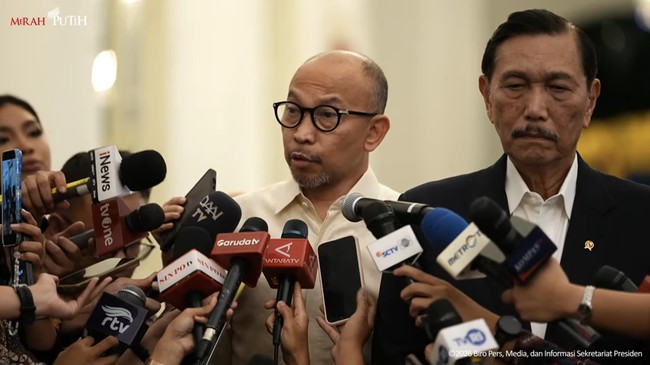
Research by former Finance Minister Chatib Basri and his colleagues confirms a strong link between the shrinking middle class and rising social unrest. They found that for every 1 percentage point decrease in the middle-class share in a province, there was a correlation with roughly three additional demonstrations. Even after accounting for factors like education, urbanisation, and income, provinces with a shrinking middle class experienced about 13 more demonstrations than regions with a stable middle-class share.
The study describes the middle class as the most vocal group in voicing aspirations and criticism towards the government, often labelled as ‘professional complainers’. National surveys show this group has higher levels of political interest, public participation, and expectations of the government compared to other income groups.
However, one striking finding was that provinces with wider internet access actually tended to experience fewer demonstrations. Chatib noted that this echoes his findings across 29 Asian countries: when strict government censorship silences online complaints, the shrinking middle class channels its dissatisfaction onto the streets. The research suggests that social media acts as a release valve for public discontent, where complaints voiced through digital platforms can reduce the urge for direct street action.