
Research Reveals Opportunities and Challenges of Free Nutritious Meal Programme in Villages
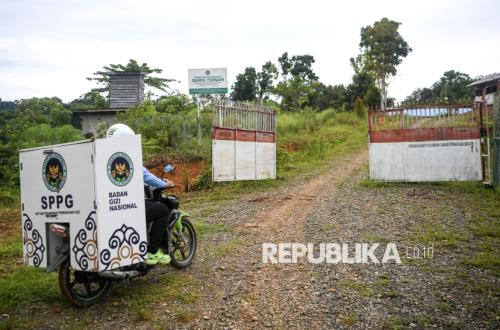
REPUBLIKA.CO.ID, JAKARTA – Field research conducted by the Aliansi Mahasiswa Menjawab (AMM, Students Answering Alliance) has revealed that the Free Nutritious Meals (MBG) programme has the potential to boost village economies through job creation and the use of local supply chains. However, the study also identified a number of challenges, particularly in strengthening the role of Village-Owned Enterprises (BUMDes) and meeting local food supply needs.
The findings were presented by AMM at a research dissemination event at Universitas Pembangunan Nasional (UPN) “Veteran” Jakarta on Monday (3/8/2026). The research was carried out using a live-in and participatory research method at the Nutrition Fulfilment Service Unit (SPPG) in Mekarbaru Village, Tangerang Regency, Banten, on 10-12 June 2026. AMM is an alliance comprising 11 student organisations from a number of universities.
AMM representative Caesar Khalifah said the research was conducted to observe directly the implementation of MBG at the village level whilst providing input based on field findings.
According to him, the approach forms part of the implementation of the Three Principles of Higher Education through research and community service activities.
Based on the results of the research, the Mekarbaru Village SPPG serves around 2,500 beneficiaries comprising schoolchildren, infants under five, and pregnant women. The kitchen’s operations also involve around 50 workers, with some 80 per cent coming from local residents registered in the Integrated Social Welfare Database (DTKS).
AMM also noted that all rice requirements are supplied from a rice mill in the village, located around 200 metres from the SPPG kitchen. Meanwhile, demand for local foodstuffs such as chicken and fish has risen from around 70 kilogrammes to more than 100 kilogrammes per day since the programme began.
“This programme has the potential to deliver economic benefits to the community if it is managed in accordance with regulations and involves local supply chains,” Caesar said in a statement on Monday (3/8/2026).
On the other hand, the research identified a number of challenges in the programme’s implementation. According to AMM, the role of BUMDes and the Red-and-White Village Cooperatives as managers of the raw material supply chain has been judged not yet optimal.
In addition, requirements for horticultural commodities such as vegetables and fruit are still supplied from wholesale markets outside the area. This situation is considered to indicate that the local supply chain has not yet been fully established.
Based on these findings, AMM recommended strengthening the role of BUMDes and cooperatives in raw material procurement, increasing guidance for local farmers, livestock breeders, and SMEs, and improving transparency of programme implementation data.
AMM also proposed that the National Nutrition Agency (BGN), together with the Ministry of Health, conduct regular measurements of beneficiaries’ nutritional status to evaluate the programme’s effectiveness in reducing stunting and anaemia.
Caesar said AMM will continue to carry out research and field monitoring of the MBG programme’s implementation as a form of academic contribution towards refining the programme.
Source: jawawa.id (https://jawawa.id/newsitem/research-reveals-opportunities-and-challenges-of-free-nutritious-meal-programme-in-villages-1785761631)
Originally published by Republika (https://ekonomi.republika.co.id/berita/tj715y416/riset-mahasiswa-ungkap-peluang-dan-tantangan-pelaksanaan-mbg-di-desa), translated from Indonesian