
Research institute says downstreaming and export proceeds policies strengthen economic nationalism
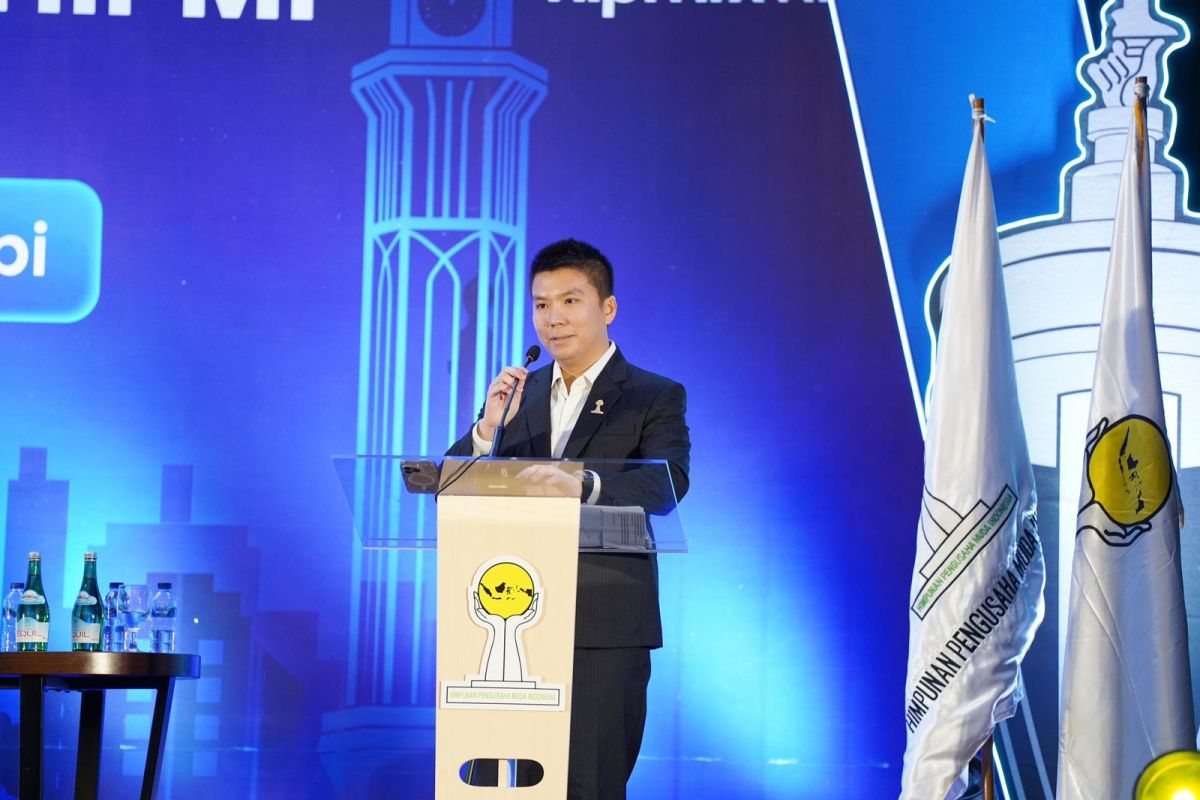
Jakarta (ANTARA) - The Digital Media Research and Analysis Institute, PoliEco Digital Insight Institute (PEDAS), assesses that the economic policies of President Prabowo Subianto’s administration reflect a strengthening of economic nationalism through the governance of natural resources, industrial downstreaming, and the optimisation of export proceeds (DHE).
In a statement in Jakarta on Saturday, PEDAS Director Anthony Leong stated that these policies align with President Prabowo’s view on the importance of nationalism in economic development. According to Anthony, history shows that almost all countries that have achieved significant economic leaps built their progress on a strong foundation of economic nationalism, including the United States, Japan, South Korea, and China.
“Economic nationalism does not mean closing ourselves off from the international community. Economic nationalism is about ensuring that national wealth, national foreign exchange, and strategic national resources are managed for the greatest possible prosperity of the people. This is what President Prabowo’s government is currently building,” he said.
PEDAS noted that commodities currently in the early stages of the strategic export governance scheme—namely coal, crude palm oil (CPO), and ferroalloy—have an export value of more than US$66 billion per year, representing approximately one-quarter of total national exports.
Anthony stated that Indonesia is currently strengthening its long-term economic foundations through policies aimed at increasing the added value of natural resources, expanding state revenue, and strengthening the resilience of the national financial sector.
“The question is not whether there are parties with differing views on government policy. In political economy, that is normal. What is more important is whether the policy strengthens Indonesia’s national interests, increases public welfare, and maximises the economic benefits of the natural wealth we possess. It is in this context that these policies should be evaluated,” said Anthony, who also serves as the Chairman of the BPP HIPMI for Synergy, Danantara, and SOEs.
PEDAS considers various forums for expressing opinions, public discussions, and criticisms of the government to be an inseparable part of democratic life. Nevertheless, all stakeholders must ensure that the ongoing debates remain based on data, national interest, and the shared goal of strengthening Indonesia’s competitiveness.
“We see the importance of vigilance regarding the various dynamics developing in the public sphere. In the context of global geo-economics, every country attempting to strengthen its economic sovereignty will face challenges, from both internal and external factors,” he said. Therefore, he added, what is required is calmness, objectivity, and the courage to view national interests from a long-term perspective.
Long Term
PEDAS also assesses that the strengthening of export proceeds (DHE), downstreaming, and strategic export governance can serve as instruments to strengthen the national economic foundation in the long term. According to the institute, the greater the amount of export proceeds remaining within the domestic financial system, the stronger the exchange rate stability, banking liquidity, and the capacity for national development financing.
Anthony emphasised that the success of this agenda will serve as a vital foundation for Indonesia to become one of Asia’s major economic powers in the coming decade. He noted that the strengthening of DHE, downstreaming, and natural resource governance should be understood as part of the effort to bolster Indonesia’s economic position amidst increasingly intense global competition.
Furthermore, Anthony stated that the policies for natural resource export governance, the strengthening of DHE, and downstreaming implemented by the government are the manifestation of the mandate of Article 33 of the 1945 Constitution. This mandate asserts that the earth, water, and the natural wealth contained within them are controlled by the state and utilised for the greatest prosperity of the people.
Source: jawawa.id (https://jawawa.id/newsitem/research-institute-says-downstreaming-and-export-proceeds-policies-strengthen-economic-nationalism-1781326320)
Originally published by Antara (Indonesian) (https://www.antaranews.com/berita/5606571/lembaga-riset-nilai-hilirisasi-dan-dhe-perkuat-nasionalisme-ekonomi), translated from Indonesian