
Research: Increase in Non-Subsidised Fuel Prices Has Limited Impact on Inflation
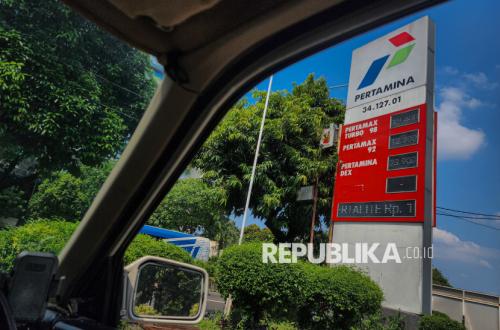
REPUBLIKA.CO.ID, JAKARTA – The increase in non-subsidised fuel prices is expected to generate only limited inflationary pressure. A research report from BRI Danareksa Sekuritas, published on Monday (20/4/2026), states that the impact of the non-subsidised fuel price hike is limited because its users are from the high-income segment of society.
In addition, the price increase is only set for Pertamax Turbo, Pertamina Dex, and Dexlite. The average increase is around Rp 8,367 per litre. Meanwhile, Pertamax prices have not yet changed.
Chief Economist and Head of Fixed Income Research at BRI Danareksa Sekuritas, Helmy Kristanto, in his research, revealed that although non-subsidised fuel accounts for 44 percent of total fuel consumption, its relevance to inflation has weakened because the composition is still dominated by Pertamax.
“The products with the sharpest increases, namely Pertamax Turbo, Dexlite, and Pertamina Dex, are consumed by higher-income segments with weaker price spillover effects,” Helmy emphasised.
Historically, he added, an increase of Rp 1,000 per litre in premium fuel is estimated to add only about 0.02–0.15 percentage points to inflation, far below the impact of subsidised fuel adjustments.
“The inflationary pressure from the non-subsidised fuel price increase is relatively limited and only operates on the marginal side, not becoming the main driver of overall inflation,” he stated.
A brief reopening of the Strait of Hormuz following a temporary ceasefire had eased supply concerns and driven Brent oil prices down nearly 10 percent to 86 US dollars per barrel, supported by optimism over negotiations, including discussions on the release of Iran’s frozen funds.
However, that relief did not last long. The US continues to maintain its naval blockade. Meanwhile, Iran has imposed strict transit conditions that effectively maintain control over shipping flows.
Tensions escalated again on Saturday (18/4) when Iran re-closed the Strait of Hormuz in response to ongoing pressure from the US, including plans to seize Iran-related tankers, causing Brent prices to rise back above USD 90 per barrel.