
Research Finds Inflammation a New Threat Behind Heart Disease and Stroke
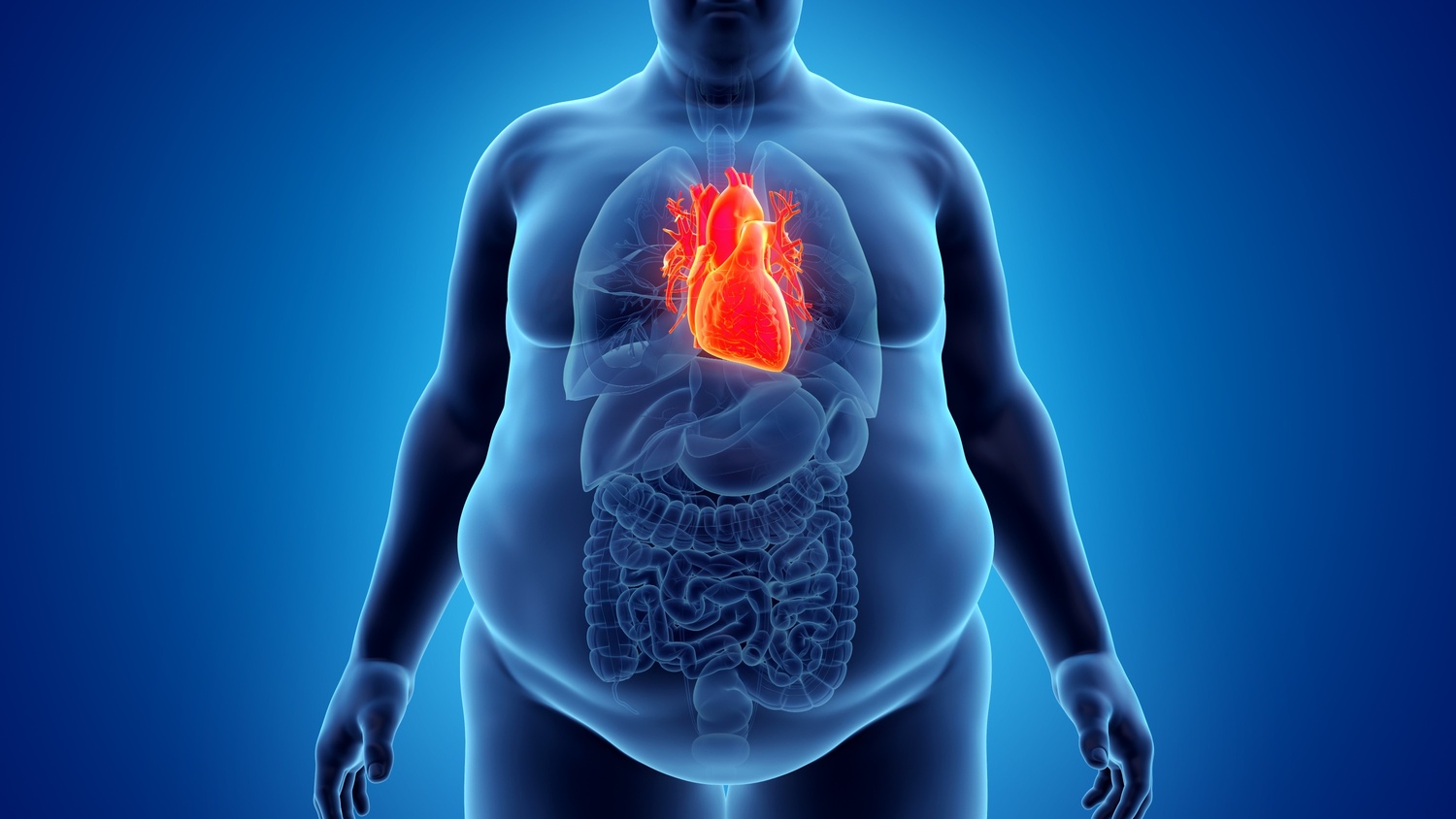
Cardiovascular diseases remain the leading cause of death in various countries, including Indonesia. Beyond the management of cholesterol, blood pressure, and blood sugar, researchers are now highlighting a factor that often goes unnoticed: cardiovascular inflammation, which can still increase the risk of heart attacks, strokes, and heart failure.
These findings were revealed in the latest results of the Pose_idon study, a global real-world evidence research presented by Novo Nordisk at the 94th Congress of the European Atherosclerosis Society (EAS) in Athens, Greece. The study shows that approximately two out of five patients with atherosclerotic cardiovascular disease (ASCVD) and chronic kidney disease (CKD) still experience cardiovascular inflammation despite undergoing therapy according to current standard treatments. Another analysis found a similar proportion in patients with heart failure.
Cardiovascular inflammation is inflammation that occurs within the blood vessels. Unlike inflammation caused by infection, this condition is generally asymptomatic but can increase the risk of serious cardiovascular events if it persists for a long time. These findings are of significant concern given that heart disease and stroke remain major health challenges in Indonesia. According to data from the Ministry of Health, cardiovascular diseases contribute to approximately 30% of the national death rate.
Filip Knop, Senior Vice President and Chief Medical Officer of Novo Nordisk, stated that the study results demonstrate that inflammation is a persistent risk factor even when patients receive therapy according to clinical guidelines. “The Poseidon study provides important evidence that cardiovascular inflammation is a significant and ongoing source of risk in patients with atherosclerotic cardiovascular disease, chronic kidney disease, or heart failure, even after receiving therapy according to current standards of care,” said Filip Knop on Wednesday.
He added that understanding cardiovascular inflammation is a vital foundation for developing innovative therapies to address unmet medical needs. The Poseidon study involved 18,904 patients across 18 countries, covering Europe, North America, South America, and the Asia-Pacific region during the 2023 to 2025 period. In the research, 13,475 patients were diagnosed with atherosclerotic cardiovascular disease, with over 42% of them also suffering from chronic kidney disease. The study also involved more than 11,800 heart failure patients from various categories based on ejection fraction.
Inflammation was measured using high-sensitivity C-reactive protein (hsCRP) testing, a blood test widely used to detect inflammation levels in blood vessels. Carolyn S.P. Lam, Senior Consultant at the Department of Cardiology, National Heart Centre Singapore, and Professor at Duke-NUS Medical School, assessed that the research results change the perspective on managing cardiovascular disease risk. She noted that inflammation is no longer merely a supporting factor but a primary component affecting complication risks for millions of patients worldwide.
“These findings show an opportunity to identify patients who are most likely to benefit from therapies that directly target inflammation. This also changes how we view residual cardiovascular risk and underscores the potential of anti-inflammatory therapies currently under development,” she said.
Increasing attention to inflammation is also reflected in various international clinical guidelines. Organisations such as the European Society of Cardiology (ESC), the American Heart Association (AHA), and the American College of Cardiology (ACC) now include elevated hsCRP levels as a biomarker to assist in assessing cardiovascular risk and determining optimal prevention strategies. Through these study results, Novo Nordisk reaffirms its commitment to driving research and innovation in the management of chronic diseases, including cardiometabolic diseases such as diabetes, obesity, and cardiovascular disease.
Source: jawawa.id (https://jawawa.id/newsitem/research-finds-inflammation-a-new-threat-behind-heart-disease-and-stroke-1783007480)
Originally published by Media Indonesia (https://mediaindonesia.com/humaniora/906926/riset-temukan-inflamasi-jadi-ancaman-baru-di-balik-penyakit-jantung-dan-stroke), translated from Indonesian