
Republican Party Thwarts Democrats' Efforts to Halt US Attacks on Iran
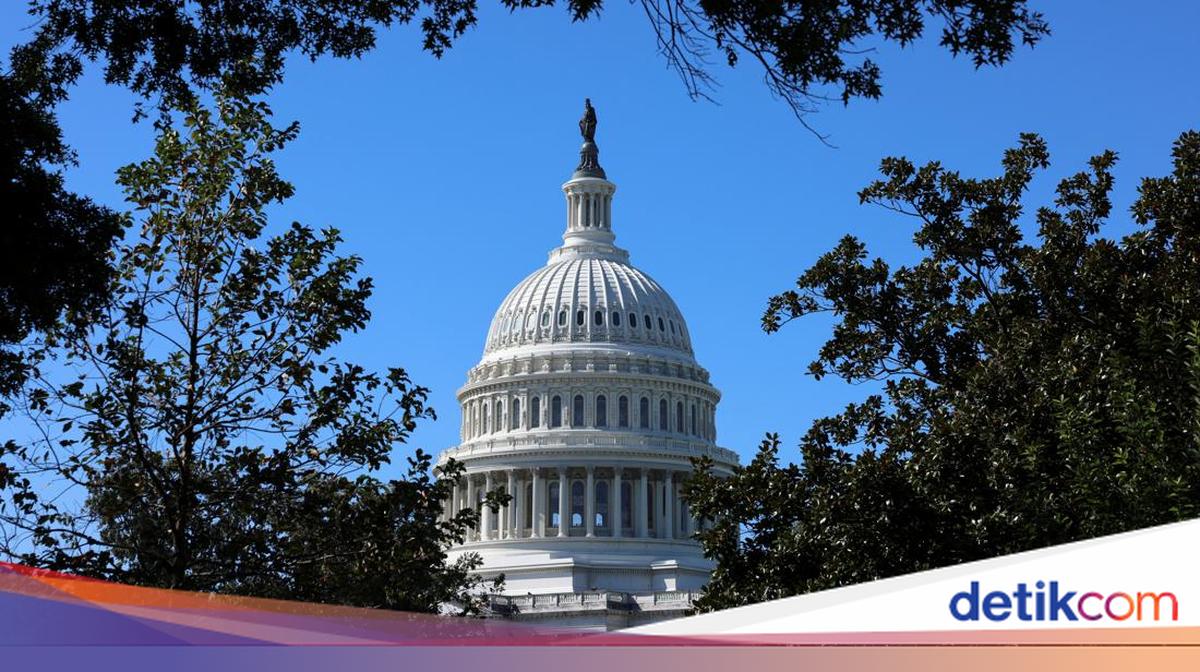
US House of Representatives members from the Republican Party thwarted the Democratic Party’s efforts to end US attacks on Iran. Republicans in the US Congress continue to block attempts to limit President Donald Trump’s authority in the war against Iran.
US House Representative from the Republican Party, Chris Smith, representing New Jersey, as reported by Reuters and Al Arabiya on Friday (10/4/2026), led a brief “pro forma” session on Thursday (9/4) and ended it before a group of Democratic politicians could pass the resolution by unanimous consent.
The resolution submitted by the Democratic Party in Congress called for the cessation of US military operations against Iran.
Although the action on Thursday (9/4) was largely symbolic, Democratic leaders in the US House and Senate have pledged to force a vote on restricting war powers when they return from recess next week.
US lawmakers from the Democratic Party have repeatedly tried and failed in recent months to pass a resolution on limiting war powers to force Trump to obtain congressional approval before launching military operations, both in Venezuela and Iran.
Trump’s threats against Iran earlier this week about “the entire civilisation will die” have heightened concerns among Democrats. Dozens of US lawmakers from the Democratic Party have called for Trump’s removal from his position as US President.
The 1949 Geneva Conventions on humanitarian conduct in war prohibit attacks on locations considered vital to civilians.
“Threatening genocide is not a negotiation tactic,” said US House Representative from the Democratic Party, Sara Jacobs, representing California, at a press conference outside the Capitol building in Washington DC, after the brief “pro forma” session was held because the US Congress was on a two-week Easter recess.
Trump announced that he had approved a two-week ceasefire with Iran on Tuesday (7/4), less than two hours before the deadline he set for a massive attack on Tehran.
The White House, in its defence, stated that Trump’s actions are legitimate and in accordance with his rights as the US commander-in-chief to protect the country by ordering limited military operations.
The Republican Party holds a slim majority over the Democratic Party in the US House and Senate, and almost unanimously supports all of its policies. Although the US Constitution stipulates that Congress, not the president, can declare war, these restrictions do not apply to short-term operations or if the country faces an immediate threat.