
Reproductive Health Education in Pesantren Aims to Prevent Sexual Violence
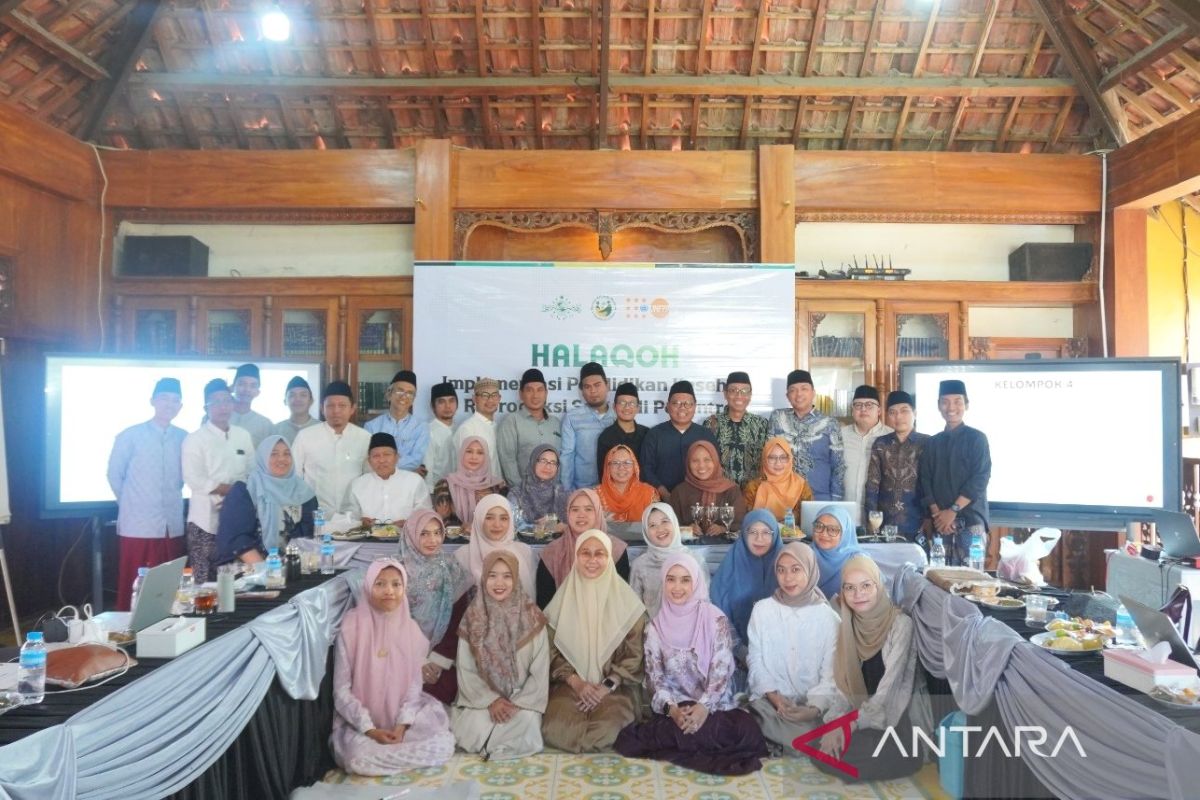
Jakarta (ANTARA) - The Executive Board of Nahdlatul Ulama (PBNU), through the Gerakan Keluarga Maslahat Nahdlatul Ulama (GKMNU), is encouraging the implementation of reproductive health education in Islamic boarding schools (pesantren) as an effort to prevent sexual violence while also improving adolescent reproductive health.
Alissa Qatrunnada Wahid, Head of PBNU’s Community Welfare Division, said reproductive health education is needed to build correct understanding within the pesantren environment so that it can support the prevention of sexual violence.
“We want to promptly anticipate and prepare the pesantren ecosystem so that understanding of reproductive health is better, enabling us to address the problem of sexual violence occurring in pesantren,” Alissa said in a statement in Jakarta on Tuesday.
According to her, preventing sexual violence is not sufficient through rule enforcement alone, but must also be accompanied by education that builds understanding of reproductive health from an early age.
“So far, there have been many misconceptions about reproductive health. It is thought that reproductive health is only about sexual behaviour, when in fact it also concerns maternal, infant and child mortality rates. It also speaks about anaemia among young people, which will affect their reproductive processes when they later marry,” she said.
She added that reproductive health is not only related to sexual behaviour, but also encompasses anaemia prevention, reducing maternal and infant mortality, and preparing adolescents to become healthy prospective parents.
Meanwhile, Evi Nilawaty, Head of the School-Age Children and Adolescent Health Working Team at the Ministry of Health, said reproductive health education for adolescents is one of the important efforts to reduce maternal mortality and prevent stunting.
According to Ministry of Health data, Indonesia’s maternal mortality rate is targeted to fall from 183 per 100,000 live births in 2024 to 70 per 100,000 live births by 2030, in line with the Sustainable Development Goals (SDGs), although it remains higher than in several ASEAN countries.
On the same occasion, Abdul Barri, head of the Al-Masthuriyah Islamic boarding school, considered reproductive health education important for santri, especially those entering puberty, with guidance from kiai, nyai and dormitory mentors.
Source: jawawa.id (https://jawawa.id/newsitem/reproductive-health-education-in-pesantren-aims-to-prevent-sexual-violence-1784652795)
Originally published by Antara (Indonesian) (https://www.antaranews.com/berita/5659603/edukasi-kesehatan-reproduksi-di-pesantren-cegah-kekerasan-seksual), translated from Indonesian