
Repeated Disasters Due to Environmental Damage, YSSC Calls for National Collaboration to Reduce Carbon Emissions
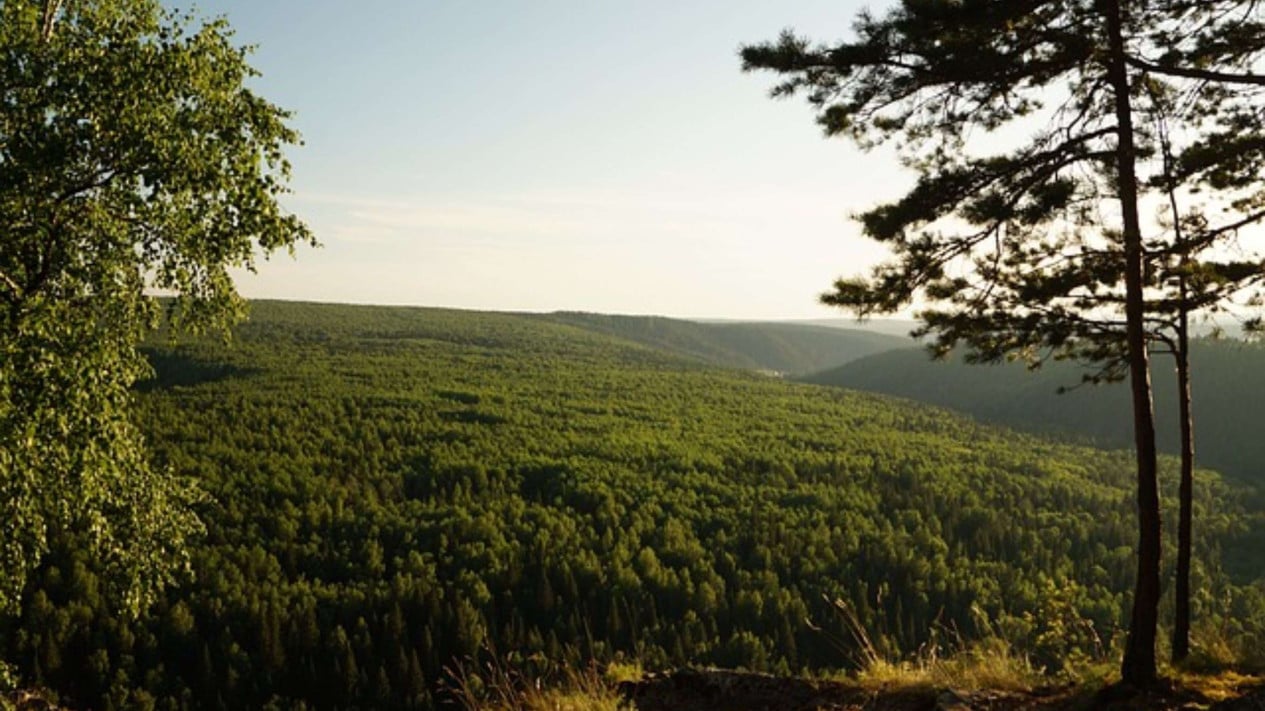
Medan, VIVA – The Sihatihat Sanjaya Center Foundation (YSSC) has reaffirmed its commitment to supporting environmental recovery through reforestation movements. This serves as a tangible step towards reducing carbon emissions while strengthening community resilience against the impacts of climate change.
The Chairman of the Sihatihat Sanjaya Center Foundation, Hari S. Siregar, stated that the floods hitting several regions in Sumatra, particularly North Tapanuli Regency, serve as a reminder that environmental damage has increased the risk of increasingly frequent hydrometeorological disasters. According to him, the reduction in forest cover, uncontrolled land conversion, and climate change must be addressed through real action via environmental rehabilitation involving all elements of society.
“Maintaining the balance of nature is no longer merely an option, but our shared responsibility. Tree planting is a simple step that provides a significant impact on environmental sustainability and the safety of the community in the future,” Hari told reporters on Wednesday, 1 July 2026.
Through the ‘Spirit Green’ movement, YSSC invites the government, the business world, academics, community organisations, local communities, and the younger generation to work together in planting trees across various regions in need of environmental rehabilitation.
Hari explained that tree planting aims not only to re-green degraded areas but also to increase the soil’s water absorption capacity, reduce flood potential, prevent erosion, protect water springs, and preserve biodiversity.
In addition to these ecological benefits, trees also act as effective carbon dioxide (CO2) absorbers, thereby helping to suppress the rate of global warming.
“Every tree we plant is an investment in the future. The more extensive the green space we build, the greater Indonesia’s contribution to reducing carbon emissions and facing global climate change,” he asserted.
Hari believes that solving environmental issues cannot be done partially. Strong collaboration is required between the government, the public, the private sector, academics, and civil society organisations to ensure that reforestation movements become sustainable programmes rather than mere ceremonial activities.
“We want the tree-planting movement to become a shared culture. A healthy environment can only be realised if all parties have the same commitment to care for and preserve it,” he said.