
Repeated Blackouts Highlight PLN's Weakness in Managing Energy Supply Chain
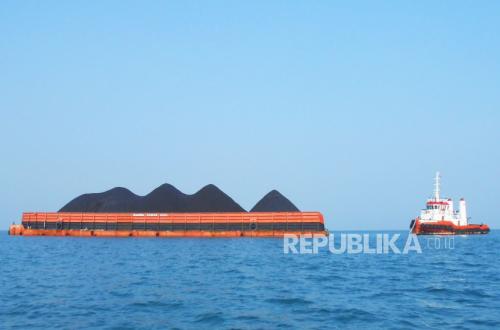
Recurring rolling blackouts in several areas of Java are seen as a reflection of weak energy supply chain management and risk mitigation systems within PT PLN (Persero). The repeated disruptions indicate that the problem lies not only in the technical aspects of power generation, but also in the governance of the energy supply that forms the foundation of the national electricity system. Energy analyst from the Energy Coalition for the People, Kaharuddin, assessed that the state electricity company should be able to anticipate various potential disruptions that could reduce the reliability of electricity supply. Moreover, electricity is a public service that supports economic activity and daily life. “The repeated blackouts indicate a more fundamental problem in the management of the electricity system. What needs to be evaluated is not only technical disruptions in the field, but also the company’s ability to maintain the energy supply chain and ensure system reliability is maintained,” Kaharuddin said in a statement. According to him, disruptions to primary energy supplies or the loss of power plants from the system should be anticipated through careful planning and strong risk management. As the largest electricity system operator in Indonesia, PLN is required to have mitigation measures that can minimise the impact on the public. He considered the apology delivered by PLN management to be appropriate. However, the public needs a guarantee that similar disruptions will not continue to recur. “An apology is important, but what is more important is ensuring that the root of the problem is resolved. The public needs certainty of service, not just an explanation after a disruption occurs,” he said. He also stressed that this incident should be a momentum for the BP BUMN and Danantara, as PLN’s main shareholders, to evaluate the performance of PLN’s Board of Directors, particularly the policies issued by PLN President Director Darmawan Prasodjo. Kaharuddin emphasised that electricity is not merely a commodity, but strategic infrastructure that supports households, the education sector, health services, industry, and micro, small, and medium enterprises (UMKM). Therefore, any supply disruption has broad social and economic impacts. “When the electricity goes out, it is not just household activities that are disrupted. Economic productivity, public services, and community business activities are all affected. Therefore, the management of the electricity system must be carried out to a very high standard,” he said. He also assessed that the repeated disruptions are an alarm for the need for a thorough evaluation of the effectiveness of the company’s governance and leadership. According to him, the government must ensure that the national electricity system is managed professionally and is capable of facing various potential disruptions. Kaharuddin urged the government and shareholders to conduct a comprehensive evaluation of PLN’s performance, including management’s ability to maintain the reliability of the energy supply and the national electricity system. “If the evaluation results show a managerial failure in maintaining the energy supply chain and system reliability, then a change of leadership is a reasonable consideration as a form of accountability to the public,” said Kaharuddin.