
Repeated Blackouts: Compensation Must Not Be Withheld
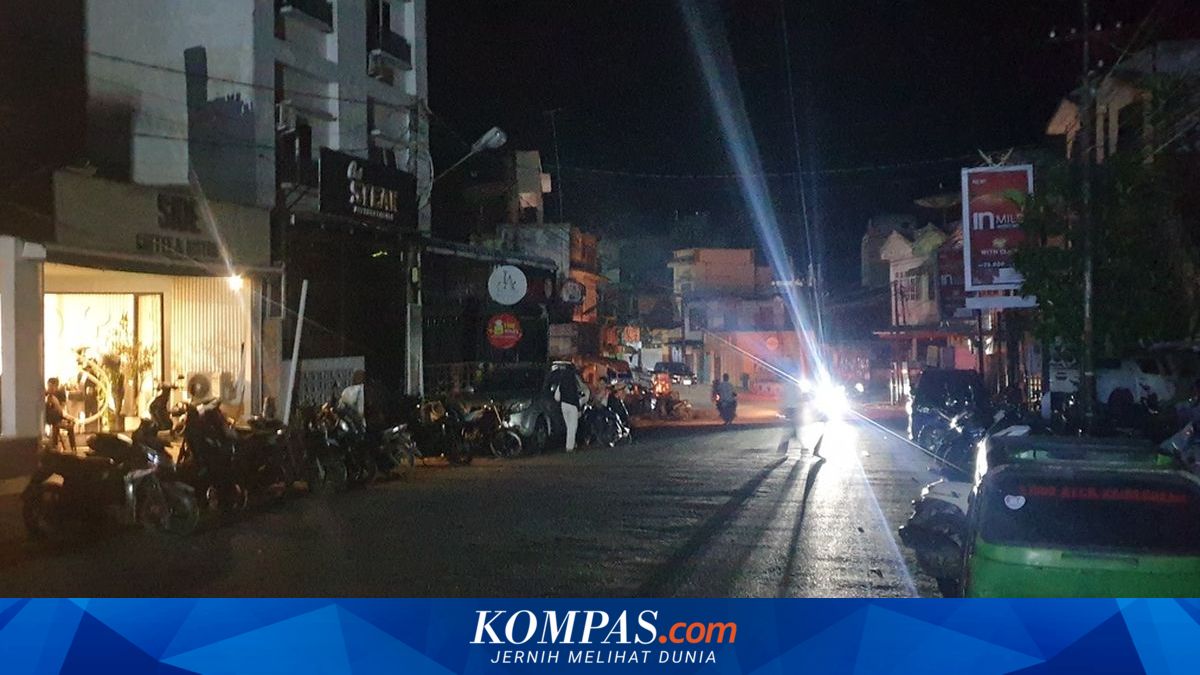
JAKARTA, KOMPAS.com — A mass power outage (blackout) has occurred again in several regions of Sumatra last week. Power disruptions have affected daily life and crippled the economy. The outages have disrupted internet networks, digital payment services, and business activities reliant on electricity. Amid this, residents are angry. Some are questioning compensation for power cuts lasting over a day. The anger stems from PT PLN (Persero)’s frequent temporary disconnections for postpaid customers who delay payments.
The Indonesian Consumer Foundation (YLKI) states that while blackouts may recur, compensation for customers must not be withheld. YLKI Chairman Niti Emiliana stressed that compensation obligations remain in place if service quality fails to meet standards as stipulated in Energy and Mineral Resources Ministry Regulation No. 2 of 2025. “Compensation should, in principle, be provided automatically without burdening consumers with complicated claims processes,” Niti told KOMPAS.com on Monday, 25 May 2026. She also noted that prolonged power outages can be classified as a violation of consumer rights from a consumer protection perspective. Therefore, YLKI urges consumers to independently record the timing and impact of outages and to formally report to PLN if compensation rights are not fulfilled. “If PLN fails to comply with regulations, the government and the Energy Ministry must enforce strict oversight and penalties,” she added.
YLKI Executive Secretary Rio Priambodo explained that compensation amounts and outage duration categories are detailed in Article 6A(4) of Energy and Mineral Resources Ministry Regulation No. 2 of 2025, amending Regulation No. 27 of 2017. The amounts vary according to the regulations. He detailed that 50% of the minimum charge is provided for outages exceeding standards by up to two hours, 75% for 2-4 hours, and 100% for 4-8 hours. He added that this could reach 500% for outages exceeding 40 hours above service quality standards.