
Renewable Energy Projects Cannot Proceed without Local Involvement, Officials Say
JAKARTA — From geothermal energy and hydropower plants in North Kalimantan to electricity for villages in the country’s outermost, frontier and disadvantaged regions (3T), renewable energy development is considered impossible without local involvement. The government is therefore involving local authorities and communities from the planning stage through to project implementation, so that the energy transition can be accelerated in line with residents’ interests and environmental sustainability.
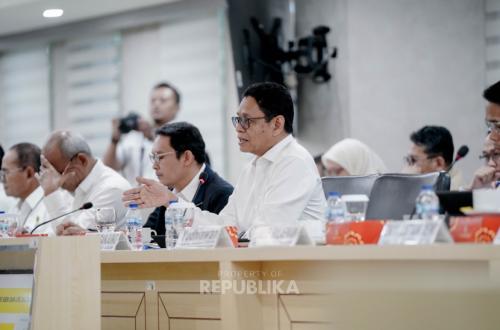
Deputy Minister of Energy and Mineral Resources Yuliot conveyed this commitment at a meeting with the chair and members of the Regional Representative Council (DPD RI) on Monday (10 November 2026). The meeting discussed a range of strategic issues, from geothermal development and hydropower construction to electrification in 3T regions and mining oversight.
“Energy policy is about ensuring that energy security is highly reliable and that there are no shortages for the public, whether of fuel or electricity. It is also about managing natural resources sustainably, with due regard for the environment and the interests of the community,” Yuliot said.
To ensure more equal access to energy, the government is targeting a 100 per cent electrification rate by 2029. There are currently 10,068 locations across 5,821 villages that are due to receive electricity, using approaches suited to each area’s geographical conditions.
“To address Indonesia’s geographical challenges, the government is adopting approaches tailored to local conditions by extending the grid, building renewable-energy-based mini-grids, and providing standalone solar power systems with batteries in areas that are difficult to reach with the electricity network,” Yuliot said.
For 3T areas not yet connected to the main electricity network, the Village Electricity (Lisdes) programme is being prepared, including through solar power plants and micro-hydropower plants.
Local governments involved
Director General of New, Renewable Energy and Energy Conservation Eniya Listiani Dewi said the Energy and Mineral Resources Ministry would communicate with local governments before geothermal areas are put out to tender. Local authorities will also be included on the tender committee.
“Local governments have a significant stake in geothermal development, including in the tender process and subsequent stages. We have also asked for local government representatives to be part of the tender committee,” Eniya said.