
Renewable Energy Becomes Largest Contributor to Global Energy Growth
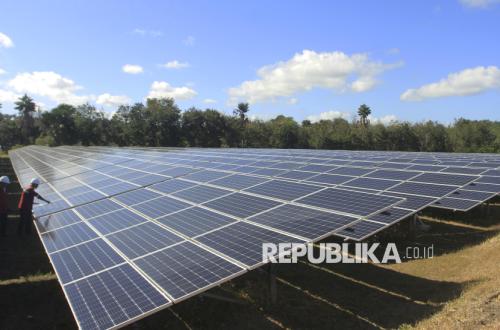
Renewable energy has become the largest contributor to global energy supply growth for the first time outside of an economic recession in 2025, yet the increase in clean energy usage has not been enough to restrain record global carbon emissions. The Statistical Review of World Energy 2026, released by the Energy Institute, shows total global energy supply increased by 1.7 per cent throughout 2025. All major energy sources recorded their highest ever consumption for the second consecutive year, driven by rising electricity demand and global economic growth. The report, compiled with Ember, Kearney, and KPMG, noted that solar power was the main driver of low-carbon energy growth, contributing around 72 per cent of new capacity additions. Globally, solar electricity generation rose by 30 per cent in 2025, while battery energy storage capacity surged by 66 per cent, strengthening the role of both technologies in the energy transition. Global electricity demand also grew by 3 per cent, outpacing total energy supply growth, driven by increased use of electric vehicles, expanding data centres, and the electricity needs of artificial intelligence technologies. For the first time, renewables combined with hydropower surpassed coal as the largest source of electricity generation worldwide, while fossil fuel-based generation began to decline. Despite this, global carbon emissions still rose by 1.1 per cent in 2025. The report reveals differing trends across countries. US carbon emissions increased by 3.2 per cent, largely due to a 13 per cent rise in coal-fired power generation. In contrast, emissions growth in China was just 0.3 per cent, and India’s was 0.9 per cent. The Energy Institute also assessed that global energy efficiency improvements are still falling short of targets. Energy intensity relative to GDP growth improved by around 2 per cent, below the annual efficiency improvement target of 4 per cent agreed at COP28. Diverging energy transition pathways are increasingly evident across regions. China maintained its position as the leader in solar and wind power development, with capacity exceeding the combined total of all other nations, while coal use continued to decline. India also recorded a simultaneous drop in coal, oil, and gas-fired electricity generation, while renewable generation increased by nearly 24 per cent. In Europe, renewable generation grew by around 7 per cent, with the UK recording a 37 per cent increase in solar power generation. Energy Institute President Andy Brown stated that the growing need for energy means issues of energy security, affordability, and sustainability are increasingly shaping global policy direction. Energy Institute Chief Executive Nick Wayth assessed that the global energy system is at a turning point. ‘We are seeing encouraging displacement of fossil fuels in the power sector, but global emissions continue to rise and pressures on energy security are mounting. These findings underscore the importance of accelerating efficiency, electrification, and investment in clean technologies worldwide,’ Wayth said in a statement on Wednesday (1/7/2026). Ember Interim Managing Director Aditya Lolla said renewable energy growth and electrification are now increasingly driven by economic considerations, efficiency, and energy security. Meanwhile, KPMG noted a shift in the world’s oil production centre, with the Americas now producing around 20 per cent more oil than the Middle East, altering global energy trade flows and pushing companies to adjust business strategies to regional dynamics. Kearney added that renewable energy growth must be accompanied by the development of electricity grids, energy storage systems, and supporting infrastructure to enable a faster and more sustainable energy transition.