
Remove EV Incentives, Deputy Minister of Industry: We Must Consider Fiscal Conditions
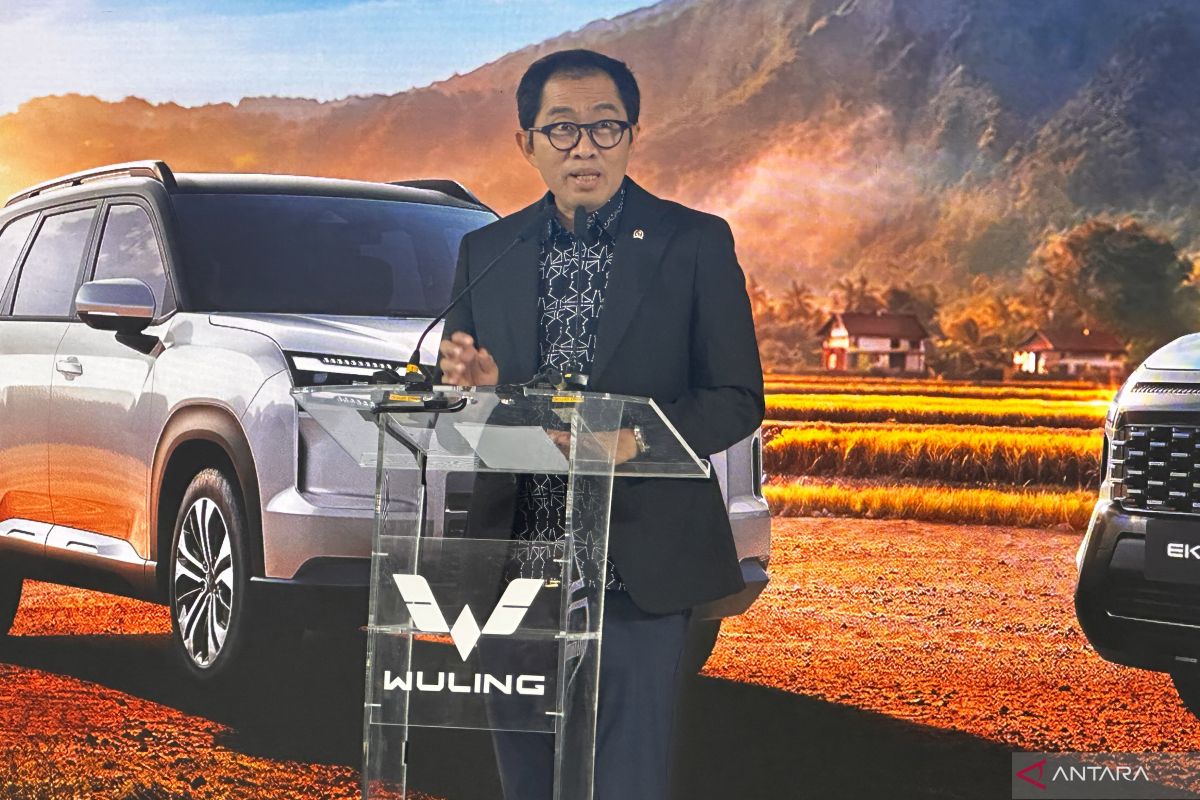
Jakarta (ANTARA) - Deputy Minister of Industry (Wamenperin) Faisol Riza stated that incentives for electric vehicles (EVs) are still needed, but their sustainability will consider fiscal conditions.
Meeting ANTARA in Jakarta on Wednesday, the Deputy Minister revealed that he understands the national automotive industry still very much needs a boost in the form of tax incentives.
“We’ll see later,” he said to ANTARA when asked if EV incentives would not be continued.
“We still very much need incentives. But of course, we must consider our fiscal situation,” he added.
This statement arises amid changes to electric vehicle tax policies through Ministry of Home Affairs Regulation Number 11 of 2026 on the basis for imposing motor vehicle tax (PKB), motor vehicle transfer tax (BBNKB), and heavy equipment tax.
It is known that in this regulation, electric vehicles are no longer objects exempted from motor vehicle tax (PKB) and motor vehicle transfer tax (BBNKB). In other words, ownership or transfer remains subject to the taxation scheme.
This means electric cars are still subject to tax by regulation, but the amount paid is not always full and can even be zero rupiah, depending on regional policies.
The imposition of tax is not absolute. The central government still provides room for incentives in the form of exemptions or reductions, as regulated in Article 19.
The amount of such incentives is left to each regional government. Therefore, future electric vehicle tax policies will no longer be uniform and may vary between regions.
On the other hand, Faisol reaffirmed the commitment to accelerating energy transformation in the automotive sector. This programme is part of the directives from the President of the Republic of Indonesia to promote the transition to cleaner energy.
“We must also accelerate energy transformation in the automotive sector; we have to push this together,” he said.
The Deputy Minister added that the role of regional governments is considered important in supporting the implementation of the programme in the regions.
“So I think regional governments have an important role in helping the President so that this energy transformation programme can run well. Hopefully, with the acceleration of downstreaming, it can help distribute evenly to regional governments,” he stated.