
Reminder: Large Trucks Prohibited from Using Toll Roads on 13-29 March 2026
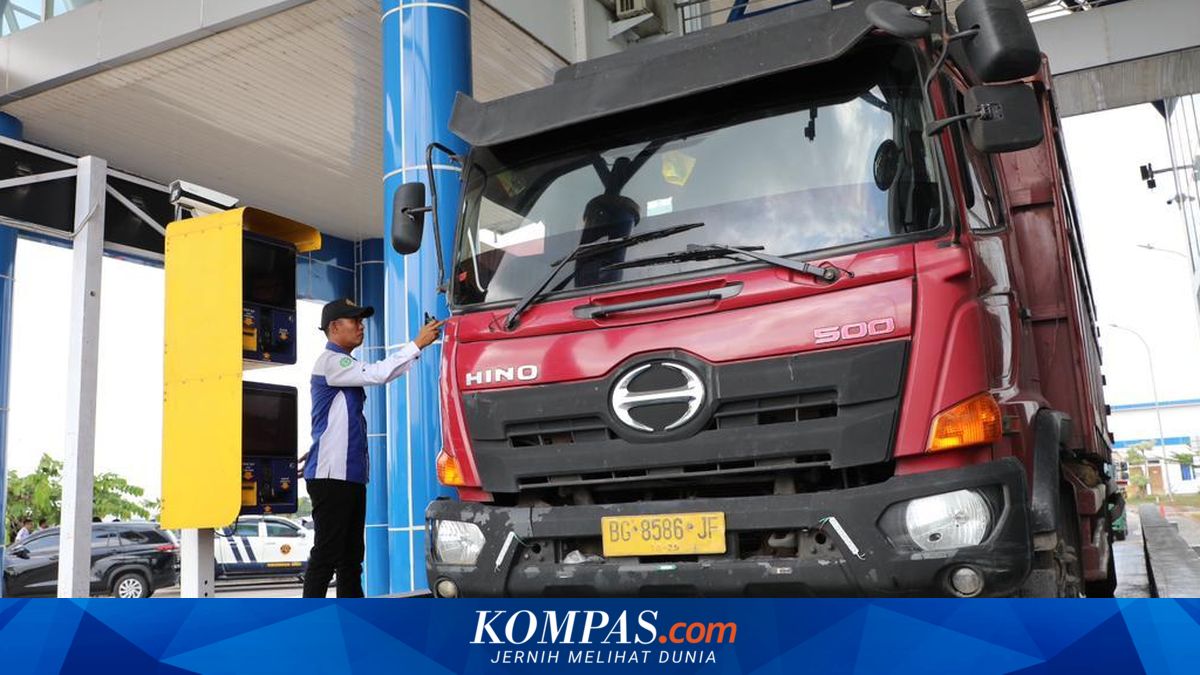
The Ministry of Transportation, National Traffic Police (Korlantas Polri) and Ministry of Public Works have reissued a Joint Decree (SKB) governing road traffic management and crossings during the Lebaran holiday exodus and return period in 2026.
The decree contains provisions restricting cargo transport operations. Joint Decree No. KP-DRJD 854 Year 2026; HK.201/1/21/DJPL/2026; Kep/43/II/2026; 20/KPTS/Db/2026 was signed by Director General of Land Transportation Aan Suhanan, Director General of Maritime Transportation Muhammad Masyhud, Director General of Highways Roy Rizali Anwar, and National Traffic Police Commander Inspector General Agus Suryonugroho.
“As with the Lebaran transport arrangements last year and the year-end holiday period, we anticipate a significant increase in public movement, and to maintain traffic flow and improve road safety, we need to regulate logistics vehicles,” said Director General of Land Transportation Aan Suhanan, as quoted from the Land Transportation Directorate General website on Saturday (14 March 2025).
He stated that restrictions on cargo vehicle operations during the Lebaran period will be enforced continuously from 13 March 2026 at 12:00 local time until 29 March 2026 at 24:00 local time.
Restrictions on cargo vehicles apply to trucks with three or more axles, trucks with trailers, double-trailers, and trucks carrying mined materials, mineral products and construction materials.
“Goods distribution can still be carried out using two-axle vehicles, except for mined goods such as soil, sand and stone, mineral products and construction materials such as steel, cement and timber,” he explained.
Cargo vehicles exempt from restrictions and still able to operate with three or more axles are those carrying fuel/gas, livestock, fertiliser, and disaster relief supplies. Basic necessities are also permitted on condition that the vehicles used do not exceed the weight and dimension limits indicated by contract or agreement documents between the goods owner and the transport operator.
“For vehicles permitted to operate, they must still be equipped with a cargo manifest complying with several requirements: issued by the goods owner being transported, containing details of the cargo type, destination, and the owner’s name and address, and affixed to the left side of the cargo vehicle’s front windscreen,” he added.