
Religious Tourism at the Selaparang Tomb in Lombok
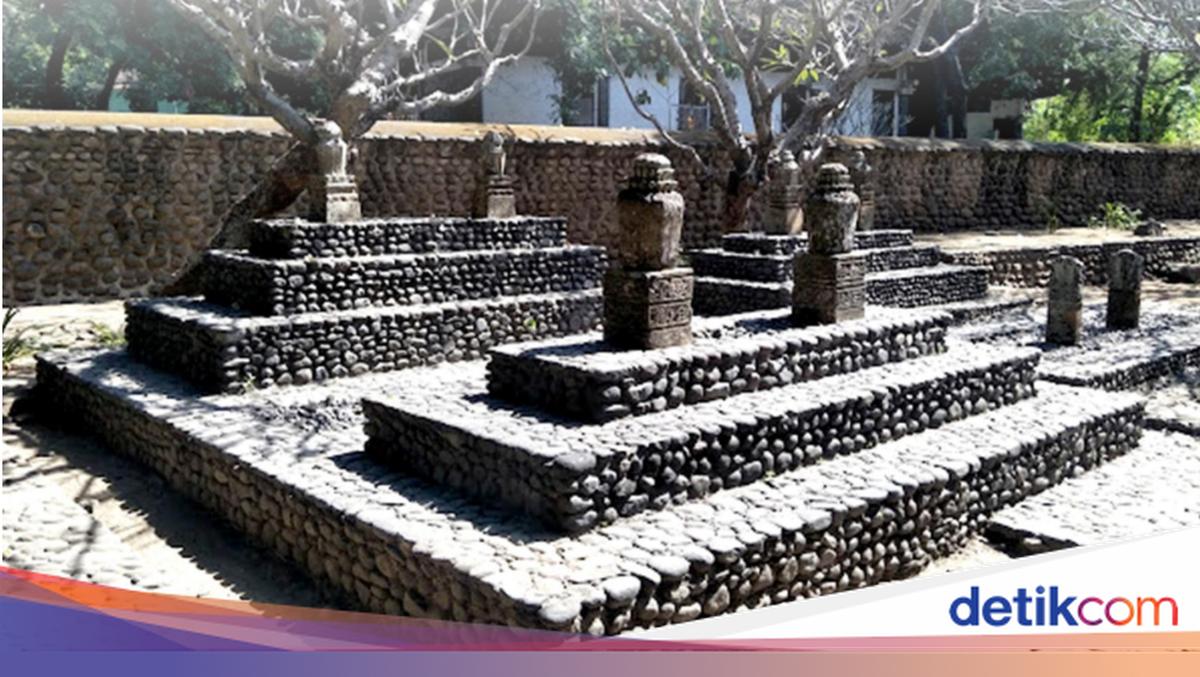
Traces of Islam on the island of Lombok are scattered in various places, one of which is the Selaparang Tomb in East Lombok, West Nusa Tenggara (NTB). This tomb, with its ancient headstones, has become a religious tourism destination frequently visited by Muslim pilgrims. The Selaparang Tomb is a burial site serving as the final resting place of the Selaparang Kingdom. This kingdom was known for its strategic position and established relations with other kingdoms across the archipelago. To this day, communities often conduct pilgrimages, communal prayers, and traditional rituals at the tomb at specific times. Not only residents of Lombok, but pilgrims also come from outside the island.
The Selaparang Kingdom, founded by Prabu Rangkesari in the 16th century, initially stood in the Kayangan region. Its administration was later moved to Selaparang, where it reached its peak of glory. Like typical kingdoms, the King of Selaparang also engaged in trade and political relations with other kingdoms in the archipelago. This kingdom is also inseparable from the development of Islam in Lombok. When still centred in Kayangan, the kingdom’s strength and economy emphasised the maritime sector. However, after the centre of government moved to Selaparang, the kingdom made the agricultural sector its main economic strength. Their success in managing the economy made the people of the Selaparang Kingdom more prosperous. Selaparang was formed into a royal city surrounded by village settlements in its vicinity. In these places, tombs with headstones made of andesite stone are also found. To this day, the ancient tombs in Selaparang can still be found and are even widely visited.
The ancient Selaparang tomb is a cultural heritage site in Lombok. The shape of the tomb is similar to other ancient royal tombs in the archipelago. The tomb’s stone ledger is arranged with rocks. The headstone, as the main marker of the tomb, bears an inscription that can still be read despite being in poor condition. Stutterheim, a Western researcher, once read the writing on the body of the headstone at the Selaparang Tomb. The following is the result of Stutterheim’s reading: The first line reads ‘La ilaha ilallah’, the second line ‘Wa muhammadun rasul’, the third line ‘Ullah dan maesan’, the fourth line ‘Gagawayan’, and the fifth line ‘Para yuga’. Stutterheim interpreted the writing as a sengkala, or a year-coding system, which can be interpreted as 1142 Hijri or 1729 AD. This year figure is not particularly old when compared with other interpretations suggesting that this tomb was established at least 500 years ago.