
Religious Affairs Ministry Wants AICIS+ to Showcase Islamic Universities’ Responses to Social Challenges
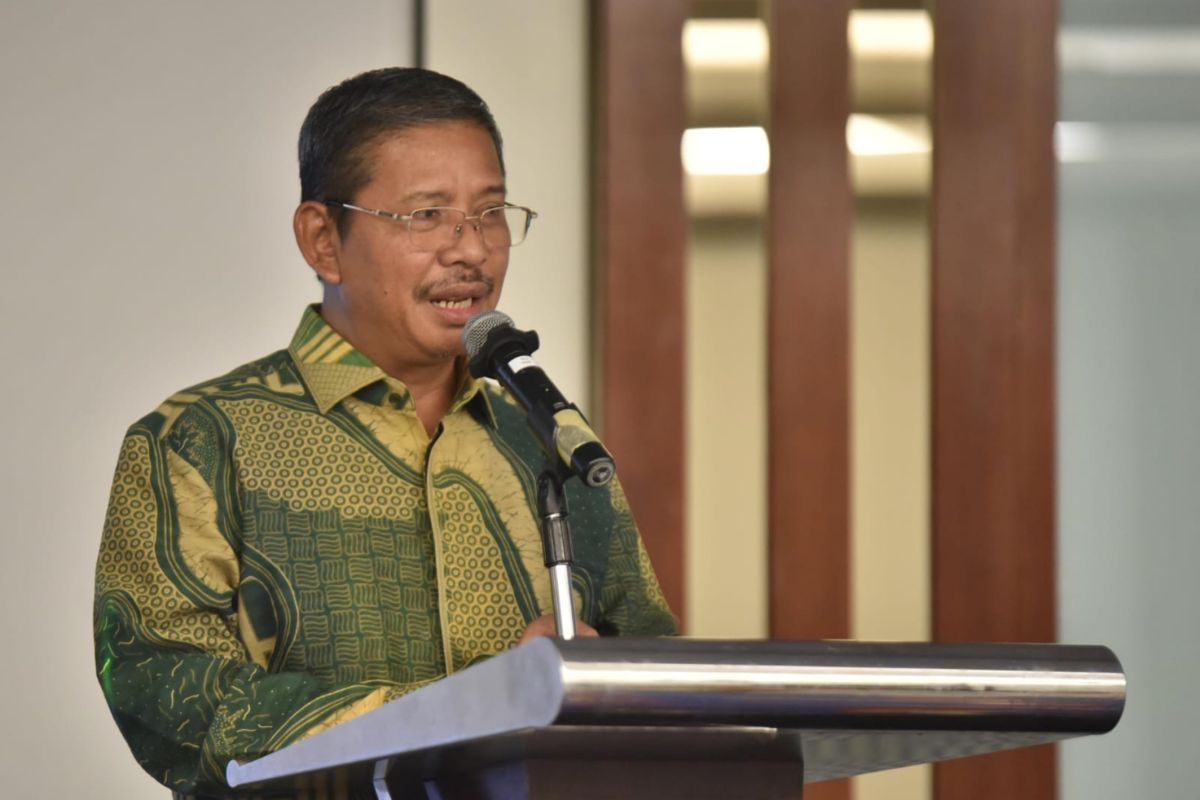
Jakarta (ANTARA) – The Ministry of Religious Affairs wants the 2026 Annual International Conference on Islam, Science, and Society (AICIS+) to provide a platform for state Islamic higher education institutions (PTKIN) to demonstrate how they can address community challenges through science, technology and interdisciplinary research.
“We want to show that PTKIN are no longer monodisciplinary, but have become multidisciplinary and interdisciplinary,” the ministry’s Director General of Islamic Education, Amien Suyitno, said in a statement in Jakarta on Wednesday.
Suyitno set out three priorities for AICIS+: strengthening research content, showcasing useful innovations, and ensuring that participants’ papers are followed up towards academic publication.
He said the interdisciplinary approach should be reinforced from the selection and grouping of papers. Islamic studies need to be developed in dialogue with other fields so they can address current social challenges.
He cited waste as an issue that could be studied from the perspectives of biology, gender and other disciplines. The subject allows researchers to connect environmental issues with people’s behaviour and social lives.
“We should reduce work that is too monodisciplinary. Priority should be given to work that is already beginning to be interdisciplinary and is aligned with Asta Cita,” he said.
The same approach should guide the selection of international speakers. Suyitno said their areas of expertise and intellectual contributions should be the main considerations, so that discussions bring together a range of academic perspectives.
Efforts to strengthen the conference’s academic substance will also include an exhibition of university research and innovation.
Suyitno said the exhibition should give prominence to research products with academic value and practical benefits for the public.
“What we want to highlight is research output, including interdisciplinary research. Books are welcome, but they should not be the main focus,” he said.
Sahiron, the Director of Islamic Religious Higher Education, stressed the importance of follow-up after the conference. He said the organising committee had coordinated with about 50 journals to support publication of participants’ academic work.
Presentations should give authors the opportunity to receive feedback, revise their papers and communicate with journal editors, he said.
“For example, a paper is presented and then receives feedback. The editor is already connected, so the work can be published, whether this semester or the next,” Sahiron said.
The arrangement is intended to ensure continuity in academic work and broaden recognition of PTKIN research. The links between authors, the committee and journal managers therefore need to be maintained after the event.
Sahiron also called for stronger academic diplomacy through invitations to ambassadors or representatives of partner countries. He urged prompt coordination with the Ministry of Foreign Affairs to expand education networks and international cooperation.
Source: jawawa.id (https://jawawa.id/newsitem/religious-affairs-ministry-wants-aicis-to-showcase-islamic-universities-responses-to-social-challenges-1793796809)
Originally published by Antara (Indonesian) (https://www.antaranews.com/berita/5832019/kemenag-ingin-aicis-jadi-panggung-ptkin-jawab-persoalan-di-masyarakat), translated from Indonesian