
Religious Affairs Ministry to Develop Entrepreneurship Curriculum for Islamic Senior Schools and Pesantren
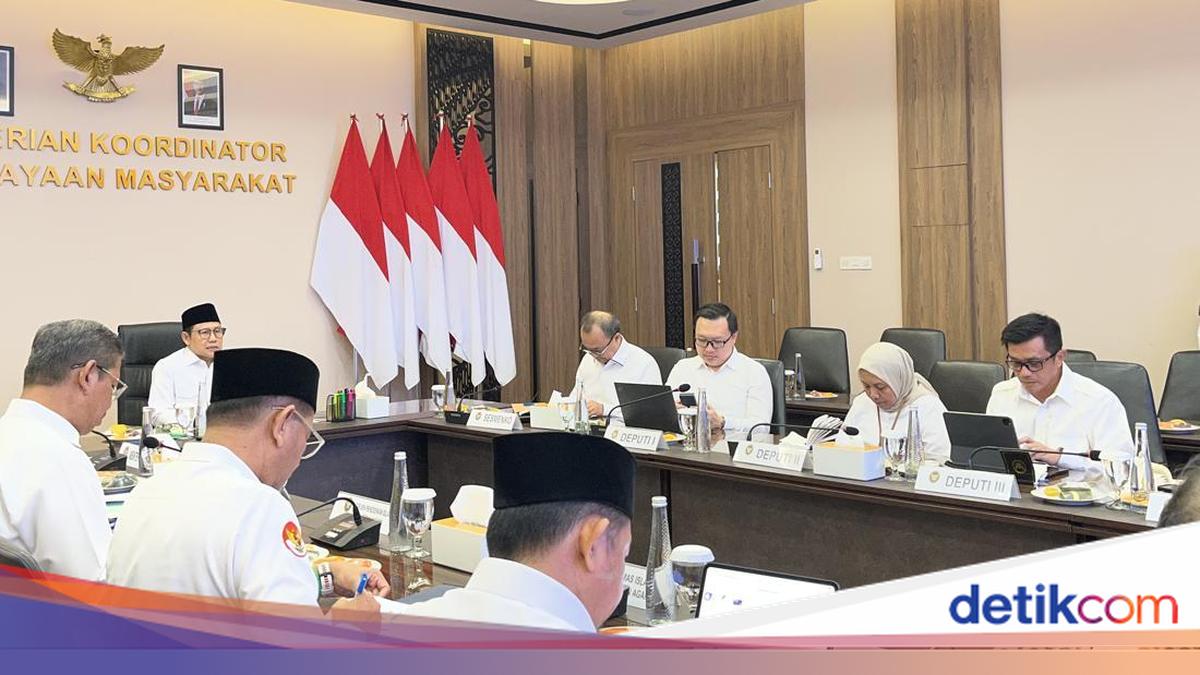
The Ministry of Religious Affairs (Kemenag), together with the Coordinating Ministry for Community Empowerment (Kemenko PM), plans to introduce an empowerment curriculum for secondary-level students, particularly at Islamic senior secondary schools (madrasah aliyah, or MA) and pesantren. The programme aims to equip graduates with skills to help them enter the workforce or establish their own businesses.
According to detikEdu, the empowerment programme will involve several ministries and receive funding support through corporate social responsibility (CSR). Its main target is pesantren where most students come from households in income deciles one to four. Graduates are expected to be better prepared for employment and self-reliance.
“Experience has shown that competency-based curricula have so far provided only supplementary training in particular skills or additional study packages. We will continue to promote this so that both madrasah and pesantren at Aliyah level prepare graduates who are ready for work or self-reliance,” Coordinating Minister for Community Empowerment Muhaimin Iskandar said at a press conference after a special meeting on the issue on Monday (19 October 2026).
The meeting discussed an ecosystem for self-sufficient pesantren. It also noted that funding had been allocated to help pesantren that are already self-reliant develop into productive economic ecosystems.
One example is an agribusiness community in Bandung that has demonstrated its ability to support both a pesantren and the surrounding community.
Most students come from lower-income deciles
Religious Affairs Minister Nasaruddin Umar agreed with the Coordinating Minister on the need to shift the approach to curricula at MA schools and pesantren. Skills training, which has so far been treated as supplementary material or “extra skills”, will be transformed into a structured, integrated empowerment curriculum.
The change is being pursued because most students at around 80,000 madrasah and 42,000 pesantren under Kemenag come from households in income deciles one to four. The updated curriculum is therefore designed to prepare graduates for two main pathways: employment suited to their secondary-level qualifications, or becoming self-employed entrepreneurs.
Nasaruddin said pesantren and MA alumni were considered resilient, undemanding and ready to work hard to strengthen the community economy, particularly in rural areas. By providing entrepreneurship training through empowerment from an early stage, students are expected to drive regional economies and help break the cycle of poverty within their families.
Source: jawawa.id (https://jawawa.id/newsitem/religious-affairs-ministry-to-develop-entrepreneurship-curriculum-for-islamic-senior-schools-and-pesantren-1792547435)
Originally published by detikBali (https://www.detik.com/bali/berita/d-8716617/kemenag-siapkan-kurikulum-kewirausahaan-untuk-ma-pesantren-ini-sasarannya), translated from Indonesian