
Religious Affairs Ministry Promotes Three Strategies to Strengthen Productive Zakat
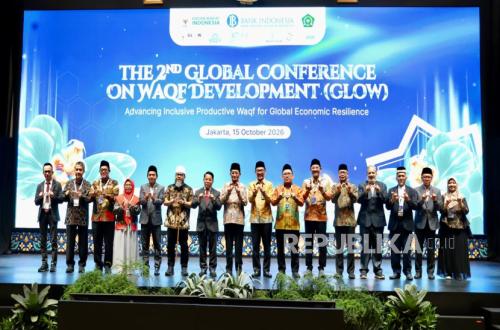
JAKARTA – The Religious Affairs Ministry (Kemenag) is promoting three strategies to strengthen productive zakat: improving the quality of empowerment programmes, enhancing cross-sector collaboration, and optimising data and digital transformation.
The strategies are expected to increase the self-reliance of mustahik (zakat recipients) while strengthening zakat’s contribution to the economic empowerment of the Muslim community.
Abu Rokhmad, Director General of Islamic Community Guidance at Kemenag, said zakat played a strategic role in strengthening social solidarity, achieving economic justice and empowering the community.
For that reason, zakat should be channelled not only to meet basic needs, but also to help mustahik develop businesses and improve their welfare.
He said direct assistance remained necessary, particularly for vulnerable communities. However, zakat should also help recipients build skills, grow their businesses and gain wider economic opportunities.
“Zakat’s success lies not only in assistance reaching mustahik, but also in bringing about change that enables them to recover, grow and become self-reliant,” Abu said at the Indonesia Sharia Economic Festival (ISEF) 2026 in Jakarta on Thursday (15 October 2026).
He added that these efforts required strong institutions, capable human resources, well-targeted programmes and an accountable impact-measurement system.
The first strategy is to improve the quality of empowerment programmes. Productive zakat distribution should be tailored to the needs and potential of each beneficiary.
Capital assistance should be accompanied by business mentoring, skills development, market access and stronger economic networks so that recipients’ businesses can grow.
Ongoing mentoring is also needed to enable mustahik to manage their businesses independently, increase their income and meet economic challenges.
In this way, productive zakat provides more than additional capital: it also strengthens beneficiaries’ capabilities.
The second strategy is to strengthen cross-sector collaboration. The government, the National Zakat Agency (Baznas), zakat management organisations (LAZ), Islamic financial institutions, businesses, universities and regional administrations should work more closely together to empower the community economically.