
Religious Affairs Ministry: MOOC Pintar Training Aims to Make Islamic Boarding Schools Safe for Children
Jakarta (ANTARA) — The Ministry of Religious Affairs is holding training on preventing and handling violence in educational institutions through the Massive Open Online Course (MOOC) Pintar platform. The initiative aims to strengthen efforts to prevent and respond to violence and sexual abuse in Islamic boarding schools, or pesantren.
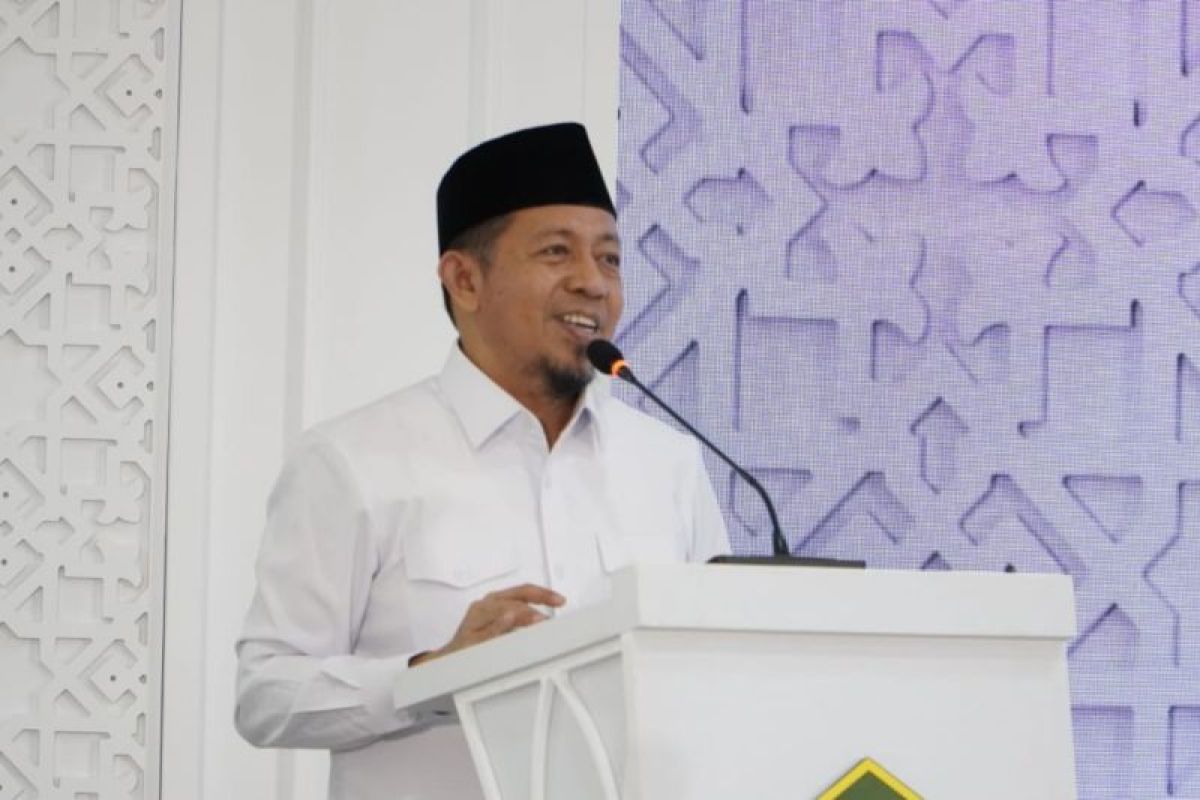
The ministry’s Director General of Islamic Boarding Schools, Basnang Said, said in Jakarta on Monday that pesantren must be safe and dignified spaces for education, care and character-building for all students. Religious doctrine, scholarly authority and power relationships must not be misused to justify violence or sexual abuse.
“Religion never legitimises violence. Through this SafeKader training, we want to build collective awareness and capacity so that everyone in pesantren has the knowledge, courage and skills to prevent violence, recognise risk indicators and ensure that every student is protected,” Basnang said.
Basnang said the violence-prevention training forms part of the broader SAFESANTRI programme, which comprises SafeNorma, SafeKader, SafeIndeks, SafeLapor and SafeMitra. The training is a sub-policy called SafeKader.
Registration is open from 2 to 5 November, and the training will run from 6 to 10 November.
Primary prevention focuses on risk assessment, mitigation, education and campaigns before violence occurs. Secondary prevention emphasises response, rapid intervention, early detection, reporting and protocols for supporting victims.
Tertiary prevention aims to foster a sustained anti-violence culture and involve communities to prevent violence from recurring.
The training also adopts a Child Safeguarding approach, emphasising the need for child-protection policies, codes of conduct, safe activity environments, child-friendly reporting channels, and transparent response and evaluation mechanisms.
The ministry’s Director of Islamic Boarding School Empowerment, Yusi Damayanti, said that building a safe, violence-free pesantren ecosystem requires systematic and structured action, as well as collective awareness among all members of the pesantren community.
She said violence prevention must become part of everyday pesantren culture, rather than being addressed only when a case occurs. Strengthening the capacity of caregivers and all members of the community is therefore essential, so they can create safe environments, identify potential risks early and respond appropriately to violence.
She also highlighted the role of caregivers, ustadz and musyrif-musyrifah in recognising signs of vulnerability and fostering empathetic communication in boarding facilities.
A musyrif or musyrifah, she said, is not merely a dormitory supervisor, but a frontline figure who must have emotional maturity and the ability to listen without judgement.
Through the MOOC Pintar training, the ministry aims to ensure that every caregiver can detect potential risks early and create a safe space where students can grow with care and meaningful protection.
The Ministry of Religious Affairs urged pesantren caregivers, ustadz and ustadzah, musyrif and musyrifah, and education staff at religious schools to take advantage of the opportunity.
The initiative is expected to establish a culture of care that upholds children’s welfare and dignity, and to make pesantren safe, comfortable and blessed places of learning.
Source: jawawa.id (https://jawawa.id/newsitem/religious-affairs-ministry-mooc-pintar-training-aims-to-make-islamic-boarding-schools-safe-for-children-1793620324)
Originally published by Antara (Indonesian) (https://www.antaranews.com/berita/5826915/kemenag-pelatihan-di-mooc-pintar-upaya-ciptakan-pesantren-ramah-anak), translated from Indonesian