
Religious Affairs Ministry Drafts Caregiving Competency Framework for Islamic Boarding Schools
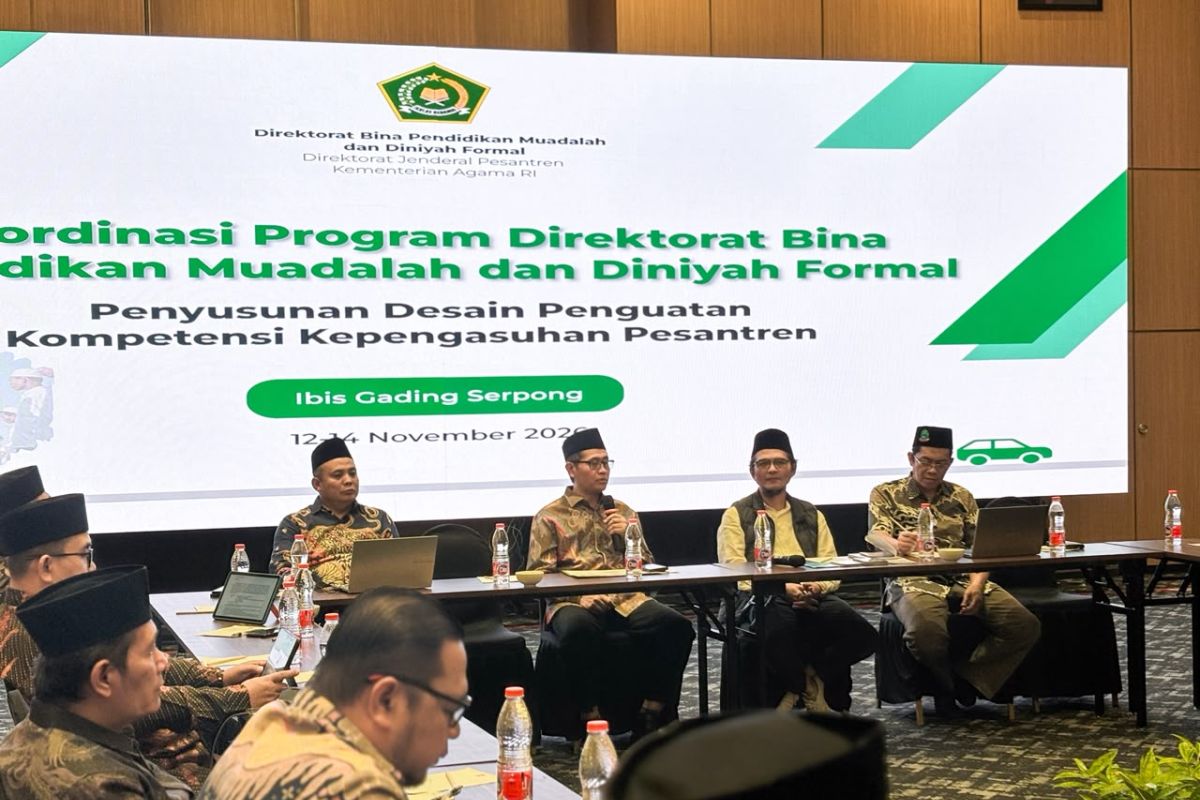
Jakarta (ANTARA) — The Ministry of Religious Affairs is drafting a framework to strengthen caregiving competencies at Islamic boarding schools, or pesantren, as part of efforts to create a safe, comfortable and welcoming religious education environment for students.
“Efforts to strengthen student protection need to be translated into everyday practice at pesantren,” said Mastuki, the ministry’s Director of Muadalah and Formal Diniyah Education, in a statement issued in Jakarta on Saturday.
Mastuki said student protection could not be achieved solely through codes of conduct, policy documents or bans on violence. It also required an effective caregiving system, including improved caregiver capacity, reporting mechanisms, access to assistance and evaluations of caregiving practices.
He said student protection needed to be underpinned by capable caregivers, clear reporting procedures, networks of support and accountable evaluation mechanisms.
According to Mastuki, the policy framework for protecting students has already developed. Law No. 18 of 2019 on Pesantren recognises the role of Islamic boarding schools in education, religious outreach and community empowerment, while taking their traditions and distinctive characteristics into account.
Other regulations provide a basis for strengthening child protection and child-friendly care, including Minister of Religious Affairs Regulation No. 73 of 2022, Minister of Religious Affairs Decree No. 91 of 2025, Directorate General of Islamic Education Decree No. 1262 of 2024, and Directorate General of Pesantren Decree No. 13 of 2026.
Mastuki said these regulations needed to be accompanied by efforts to improve the capabilities of people who interact directly with students’ daily lives.
Caregivers and mentors, he said, should have communication skills, be able to apply positive discipline, recognise warning signs, provide initial support and understand referral procedures when students need help.
“We hope this training framework will not only explain the principles of caregiving, but also equip caregivers with practical skills they can apply in pesantren life,” he said.
He added that the framework should be based on conditions on the ground, given the diversity of caregiving approaches, institutional characteristics, environments and challenges across pesantren.
Strengthening caregiving competencies should therefore take account of each school’s needs and characteristics.
Mastuki invited the heads of centres for pesantren studies at state Islamic higher education institutions (PTKIN) across the country to contribute to mapping, research and surveys on caregiving practices at pesantren.
Collaboration with universities is expected to provide a comprehensive picture of caregiving practices, the competencies of caregivers and mentors, conditions in pesantren, the problems students face and good practices that have emerged.
“Protection is not merely an administrative obligation, but an inseparable part of the quality of pesantren education,” he said.
Source: jawawa.id (https://jawawa.id/newsitem/religious-affairs-ministry-drafts-caregiving-competency-framework-for-islamic-boarding-schools-1794635581)
Originally published by Antara (Indonesian) (https://www.antaranews.com/berita/5853603/kemenag-susun-desain-kompetensi-kepengasuhan-di-pesantren), translated from Indonesian