
Religious Affairs Ministry develops KOSMIN and sign-language Qur’an for people with disabilities
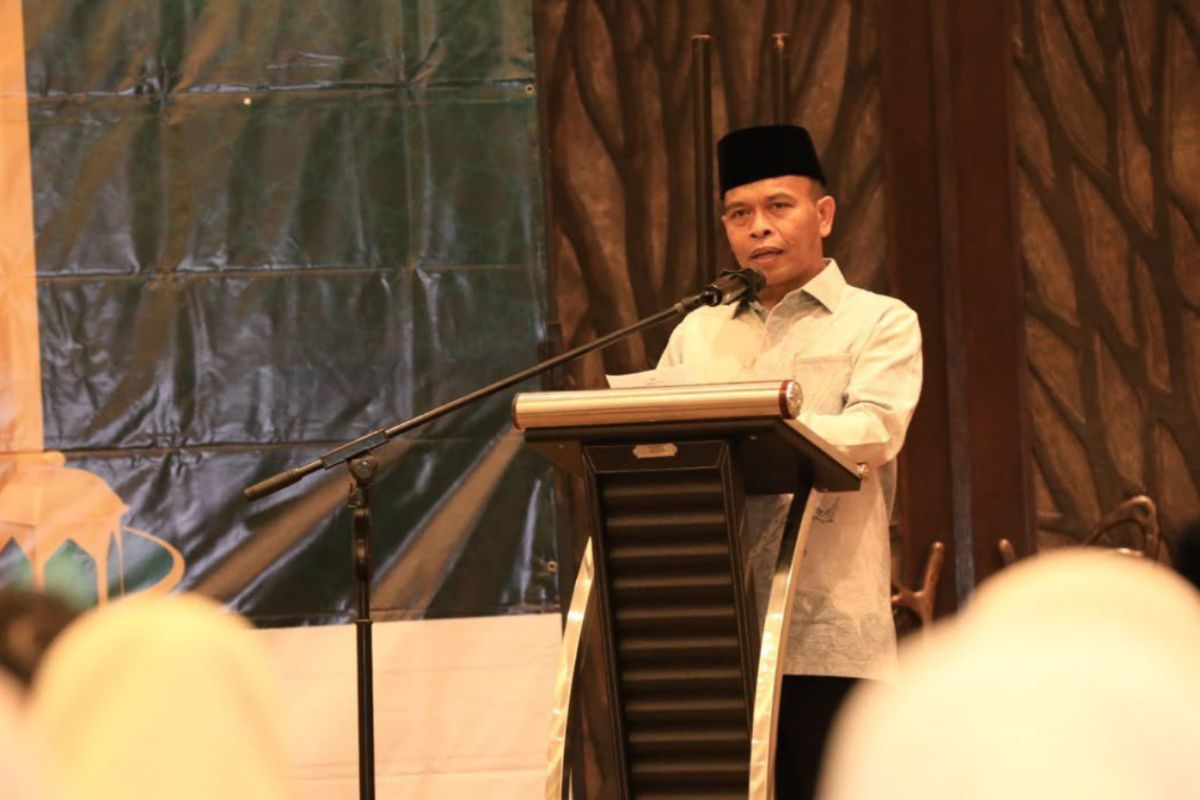
Jakarta (ANTARA) – The Ministry of Religious Affairs (Kemenag) is developing several programmes to broaden access to religious services for people with disabilities, including the Indonesian Islamic Sign Vocabulary (KOSMIN) and the provision of a sign-language Qur’an.
“Religious access must be provided comprehensively, from access to places of worship and religious literature to religious outreach activities,” said Husni, head of Kemenag’s Subdirectorate for Religious Outreach and Islamic Commemorative Days, in a statement in Jakarta on Thursday.
Husni said the programmes are intended to enable people with disabilities to access, understand and participate in religious activities on an equal basis.
He said KOSMIN’s development is one of Kemenag’s initiatives to provide sign-language vocabulary for Islamic terms. The vocabulary is expected to help people with hearing and speech disabilities understand religious material through sign language suited to an Islamic context.
Kemenag is also developing an Indonesian-standard sign-language Qur’an as an accessible means of learning the Qur’an.
“This will ensure that people with disabilities not only have access to religious literature, but can also follow and understand religious outreach activities,” he said.
Meanwhile, National Commission on Disability (KND) Commissioner Fatimah Asri Mutmainah stressed that places of worship must provide equal access for congregants, including people with disabilities.
Fatimah said the success of religious outreach should not be measured solely by whether a religious message has been delivered. Organisers must also ensure that everyone can access the information, understand the material, ask questions and participate in religious activities.
“The success of religious outreach is not measured simply by whether the message has been delivered. The measure is whether everyone can access it, understand it, ask questions and participate with dignity,” she said.
She said the communication needs of people with disabilities should be identified at the planning stage of religious outreach activities. This is important because individuals have different communication needs, so the accommodations provided must be tailored accordingly.
Organisers of religious activities should therefore learn about congregants’ communication needs before deciding what support is required.
“Do not assume that, if a deaf person attends, you should immediately bring in a sign-language interpreter. It may turn out that the deaf person who attends does not understand sign language. So identify their needs first, then decide on appropriate accommodations,” she said.
Fatimah also said that people with disabilities still face limited access to religious education.
One issue identified was that deaf congregants had questioned their understanding of, and the validity of, Friday prayers because they could not access the content of sermons delivered orally.
To address this, organisers of religious activities can provide a range of communication tools, such as sign-language interpreters, written sermons, captions, transcripts and speech-to-text technology.
Source: jawawa.id (https://jawawa.id/newsitem/religious-affairs-ministry-develops-kosmin-and-sign-language-quran-for-people-with-disabilities-1793886751)
Originally published by Antara (Indonesian) (https://www.antaranews.com/berita/5834899/kemenag-kembangkan-kosmin-mushaf-al-quran-isyarat-untuk-disabilitas), translated from Indonesian