
Religious Affairs Minister insists public services must remain optimal despite WFH
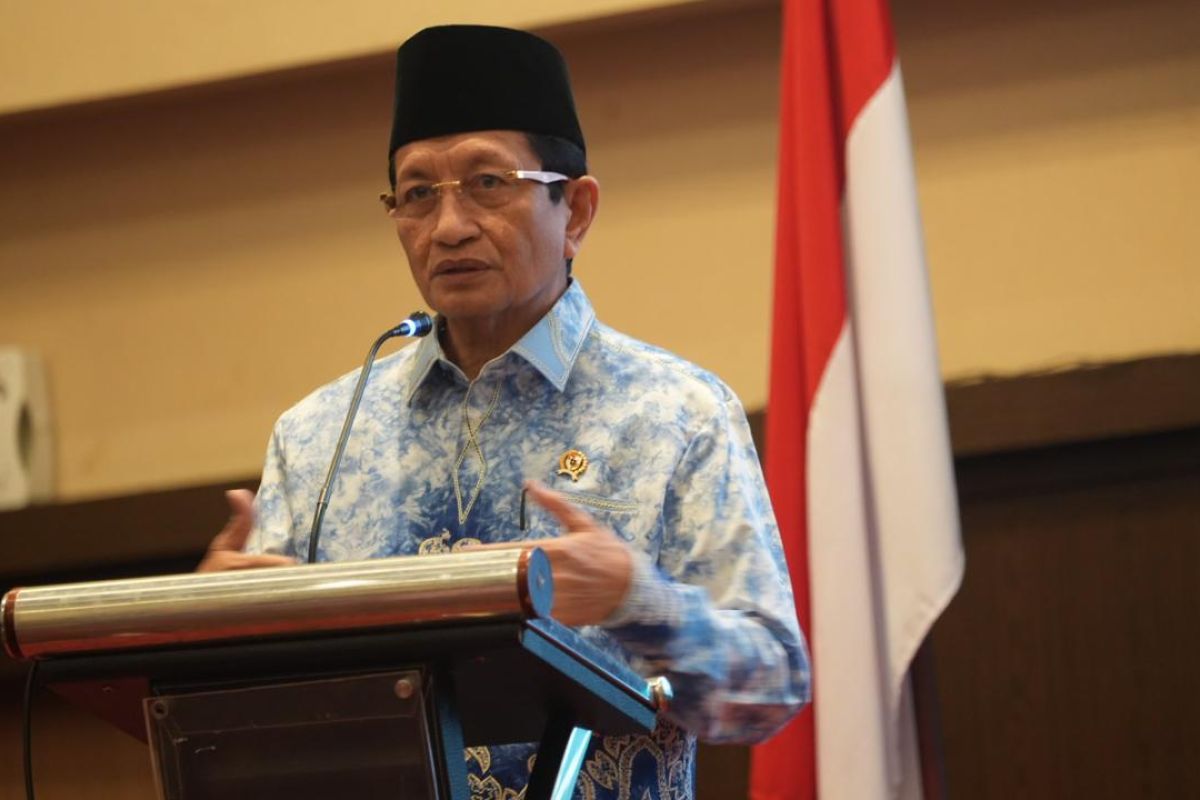
Jakarta (ANTARA) - Minister of Religious Affairs (Menag), Nasaruddin Umar, has instructed all ranks within the Ministry of Religious Affairs to ensure public services continue to operate optimally despite the application of a work-from-home (WFH) scheme for Civil Servants (ASN) every Friday. This policy refers to Circular Letter No. 3 of 2026 from the Minister of PAN-RB regarding the implementation of ASN official duties to support the acceleration of government governance transformation. The instruction applies to all work units of the Ministry of Religious Affairs at both central and regional levels, with the aim of maintaining the quality of services to the public. According to him, the technical arrangements for implementing WFH are left to the leaders of each work unit, taking into account the characteristics of tasks and types of services. Nevertheless, work unit leaders remain obligated to ensure that essential services directly impacting the public, such as marriage registration, legalisation of marriage books, and other religious services, remain available and accessible. The Menag also encourages the optimisation of information system technology in public services within the Ministry of Religious Affairs environment. “The utilisation of technology must be a solution to maintain service quality. The digitalisation of services needs to be continuously strengthened so that the public remains served without obstacles,” he stated. The Menag added that every work unit needs to ensure service information is clearly conveyed to the public, with both online and offline services required to meet established quality and time standards. “Transparency of information is key. The public must receive service certainty, even with work system adjustments,” he said. In addition, work unit leaders (Satker) are asked to ensure public services remain inclusive and friendly to all segments of society, including vulnerable groups such as people with disabilities, the elderly, pregnant women, and children. The Menag emphasised the importance of building an adaptive work culture while supporting energy-saving practices within the Ministry of Religious Affairs. One measure implemented is regulating the use of official vehicles to a maximum of 50 percent, as well as encouraging ASN to prioritise public transportation. Furthermore, the management of official travel, both domestic and international, is directed more wisely. The implementation of online meetings and coordination is also continuously optimised to reduce mobility, making it more energy-friendly.