
Reliable Electrical Systems Set the Standard for Electric Vehicles
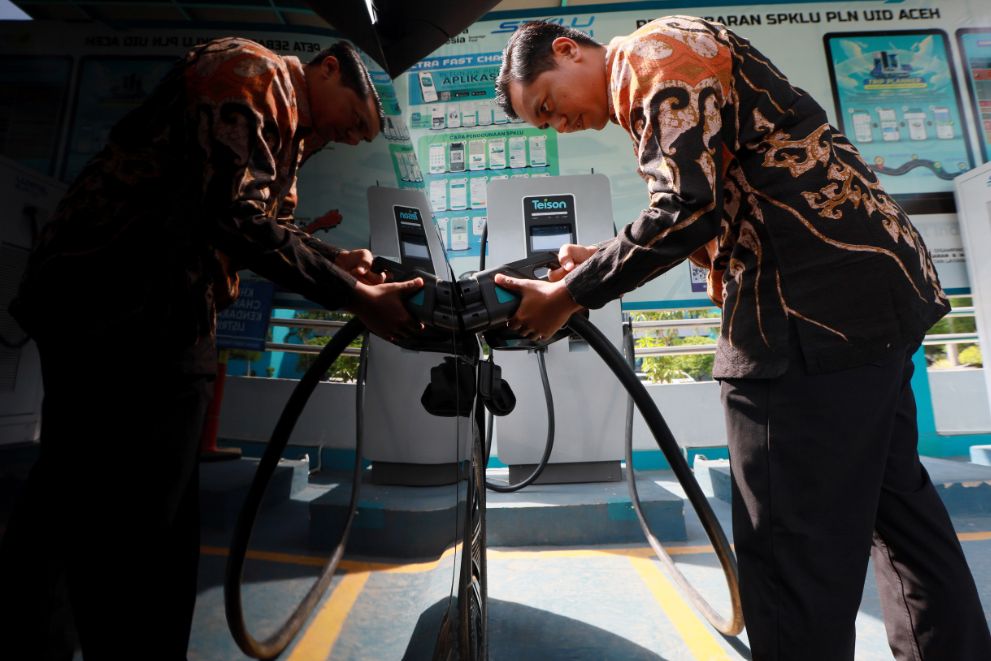
The application of electrical reliability and safety engineering is becoming the standard reference for integrating component manufacturing, charging networks, and after-sales service systems for electric vehicles in the country. This was stated by PT Len Industri (Persero) President Director Joga Dharma Setiawan in Jakarta on Monday (10/8). With this step, PT Len Industri is not merely building infrastructure, but pioneering a standardised, safe national electric mobility ecosystem ready to meet Indonesia’s future mobility needs.
"The main challenge of national infrastructure modernisation is system fragmentation. As a system integrator, we manage this complexity through strict systems engineering discipline," Joga said. Joga added that PT Len Industri’s long experience in building zero-error systems in the defence and energy sectors forms the foundation for modernising national mobility and energy infrastructure. "From decades of experience integrating defence technology systems and critical infrastructure with zero fault tolerance, we bring high safety and reliability standards to ensure the entire technology ecosystem, from power management to data connectivity, operates accountably and sustainably," Joga continued.
PT Len Industri (Persero) is a state-owned enterprise in the electronics sector that is now the holding company for the defence industry state-owned enterprise holding DEFEND ID. Established on 7 October 1991, PT Len Industri has become a trusted world-class technology company by implementing principles and upholding good corporate governance in its corporate activities. PT Len Industri’s competence in managing systems engineering complexity has been tested through the integration of command, control, communication, computer, and intelligence systems in the defence sector as well as power management in national-scale solar power plant projects. Joga added that this discipline is the standard reference for uniting the national electric vehicle ecosystem, ensuring that charging infrastructure and energy management operate with the same rigorous reliability.
In the assessment of economic observer Adhitya Wardhono, the new stimulus package policy to strengthen the battery-based electric motor vehicle ecosystem must be accompanied by a push to increase national industrial productivity. "This policy is a catalyst for economic growth this quarter. Incentives drive vehicle sales and investment in the supporting ecosystem. However, because the form, amount, targets, and mechanism of the stimulus are still under evaluation, its effectiveness cannot yet be confirmed," said the University of Jember economist. Adhitya said the benefits of the stimulus would be more optimal if accompanied by policies to strengthen domestic industrial productivity. For example, accelerating the development of the component industry, batteries, charging infrastructure, and improving the quality of human resources. Thus, the increase in demand for electric vehicles is followed by increased production capacity and value creation within the country. "The government must link every incentive with stages of industrial deepening. Starting from the use of local suppliers, battery and main component production, to technology development. Without these requirements, increased sales risk enlarging component imports and turning Indonesia into an assembly market," Adhitya said. Currently, the national electric vehicle industry relies on mining material processing and final assembly. Meanwhile, mastery of high value-added sectors such as battery materials, electronic devices, and software still requires strengthening.