
Rekindling the Spirit of the Youth Pledge in the Digital Democracy Era
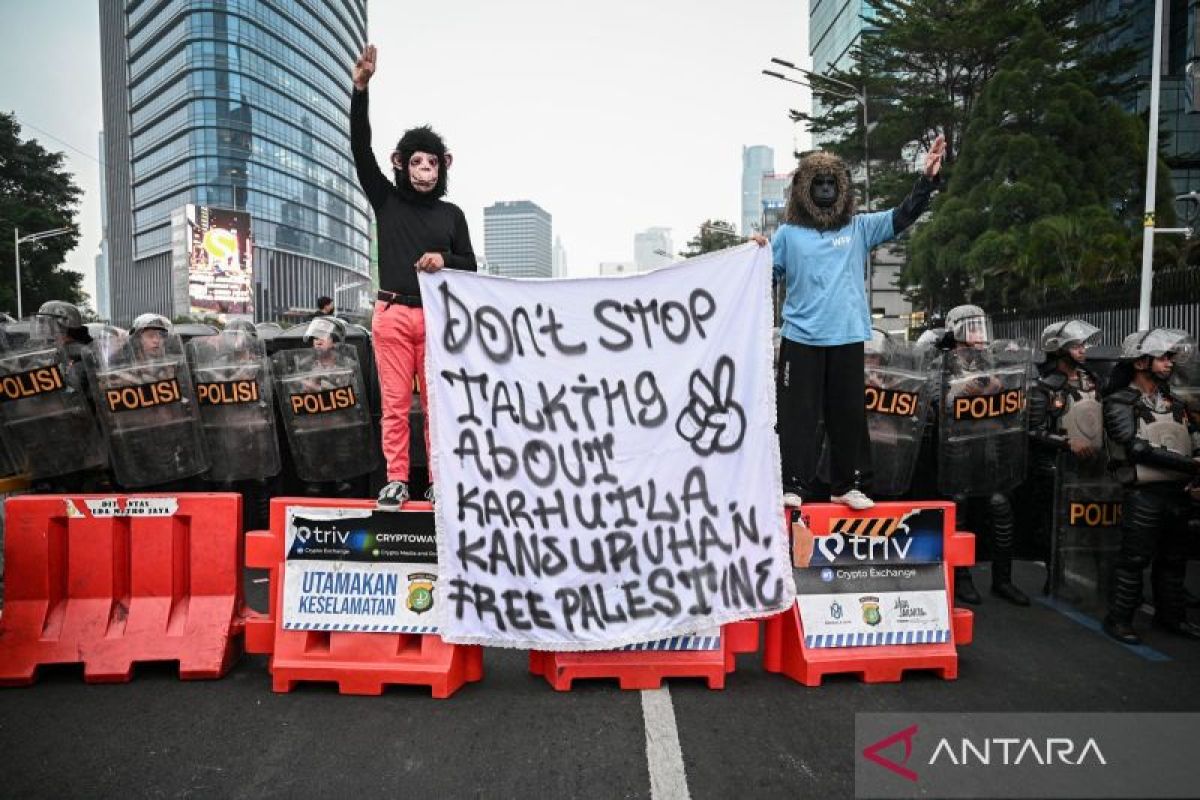
When those in power tend to shut themselves off from criticism and evaluation, the public’s courage to voice objections becomes increasingly important.
Jakarta (ANTARA) - Every 28 October, Indonesians recall and commemorate the historic moment when young people from diverse ethnic, linguistic and regional backgrounds united their national aspirations through the 1928 Youth Pledge.
The pledge was both a declaration and a political act that transcended primordial divisions in order to build a nation that had yet to be fully realised. Young people at the time did not wait for independence to arrive as a gift of history. They fostered a shared awareness, brought ideas together and laid the social foundations for an independent Indonesia.
Almost a century later, that spirit has once again become relevant amid an increasingly complex world. The 98th Youth Pledge Day in 2026 offers an opportunity to reflect on the role of the younger generation in confronting economic uncertainty, social inequality, declining trust in political institutions, technological disruption and the shrinking space for public participation.
One notable phenomenon is the resurgence of youth movements in various parts of the world in recent years. In several countries, young people have taken to the streets to protest against corruption, rising living costs, limited employment opportunities, economic inequality, environmental damage and government policies they believe do not represent the public’s interests.
This trend brings to mind a fundamental lesson from political history: major change does not always begin at the centre of power.
In many instances, change starts with public disquiet, which then finds expression in language, solidarity and the courage to challenge conditions deemed unjust.
Young people often play a significant role in this process because they stand at the intersection of idealism and the direct experience of facing an increasingly uncertain future.
They have a considerable stake in policies made today, but often have limited access to decision-making processes that have far-reaching and fundamental consequences for people’s lives.
The relevance of criticism from the younger generation