
Regulations on the Location for Slaughtering Sacrificial Animals During Eid al-Adha
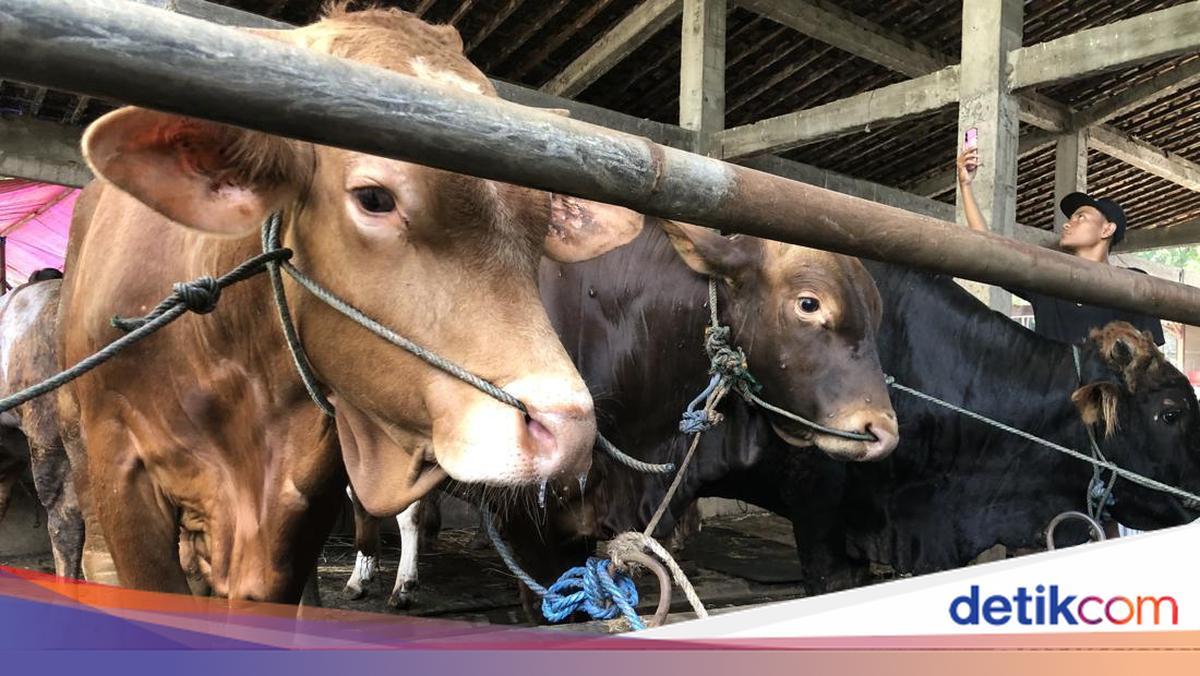
Ahead of Eid al-Adha, the location of sacrificial animal slaughter also needs to be considered to ensure the slaughter process is safe, hygienic, and does not stress the animals. From separating clean and dirty areas to ensuring the slaughter process is not visible to other animals or children, all of these measures are important to implement during Eid al-Adha.
Sourced from the Directorate General of Livestock and Animal Health (Ditjen PKH) of the Ministry of Agriculture, Republic of Indonesia, these are the regulations for the location of sacrificial animal slaughter during Eid al-Adha.
There should be a separating curtain to divide the dirty area (slaughter area) from the clean area (meat handling area). Ensure the slaughter space is not visible to animals that have not yet been slaughtered.
The slaughtering of animals is advised not to be viewed by many people including children to prevent stress in the animals.
Layout of the sacrificial animal process:
Area for sacrificial animals
Dirty area
Meat handling area
Distribution area
Syarat Sah Hewan Kurban (Conditions for a Valid Sacrificial Animal)
The following are the conditions an animal must meet to be considered valid for sacrificial purposes.
- Adequate age
Cattle ≥ 2 years
Goat/sheep ≥ 1 year (or already poel)
- Healthy and not ill
Not lethargic, good appetite
No signs of contagious disease
- Not deformed
Not blind, lame, or severely underweight
Ears and tail not severely damaged
- Good physical condition
Well-filled body (not underweight)
Coat clean and eyes bright
Types of Sacrificial Animals
Here are the types of sacrificial animals.
- Elite Cattle
Bali cattle
Adult weight: 300-500 kg
Carcass: ±50-55%
High-quality meat & fine fibre
Limousin cattle
Adult weight: 600-1,000 kg
Carcass: ±55-60%
Very thick and dense meat
Simental cattle
Adult weight: 600-900 kg
Carcass: ±55-60%
Fast growth & large frame
PO cattle (Peranakan Ongole)
Adult weight: 400-600 kg
Carcass: ±45-50%
Brahman cattle
Adult weight: 500-800 kg
Carcass: ±50-55%
- Elite Goats
Kacang goat
Adult weight: 25-35 kg
Carcass (meat): ±40-45%
Etawa goat (PE)
Adult weight: 40-70 kg
Carcass: ±45-50%
Meat greater than typical local goats
Boer goat
Adult weight: 70-100 kg
Carcass: ±50-55%
High meat production (premium)
Boerka goat
Adult weight: 35-60 kg
Carcass: ±45-50%
Jawarandu goat
Adult weight: 35-50 kg
Carcass: ±45%
- Elite Sheep
Garut sheep
Adult weight: 60-90 kg
Carcass: ±45-50%
Thick and dense meat
Thin-tailed Sheep
Adult weight: 30-45 kg
Carcass: ±40-45%
Fat-tailed Sheep
Adult weight: 40-60 kg
Carcass: ±45-50%
High fat reserves (good energy for meat) - Merino Sheep (Local Adaptation)
Adult weight: 60-80 kg
Carcass: ±45-50%
Fast growth and higher meat yield - Dorper Sheep (Local Adaptation)
Adult weight: 60-90 kg
Carcass: ±50%
Thick meat