
Regions Struggle to Pay PPPK Salaries, Central Government Urged to Intervene
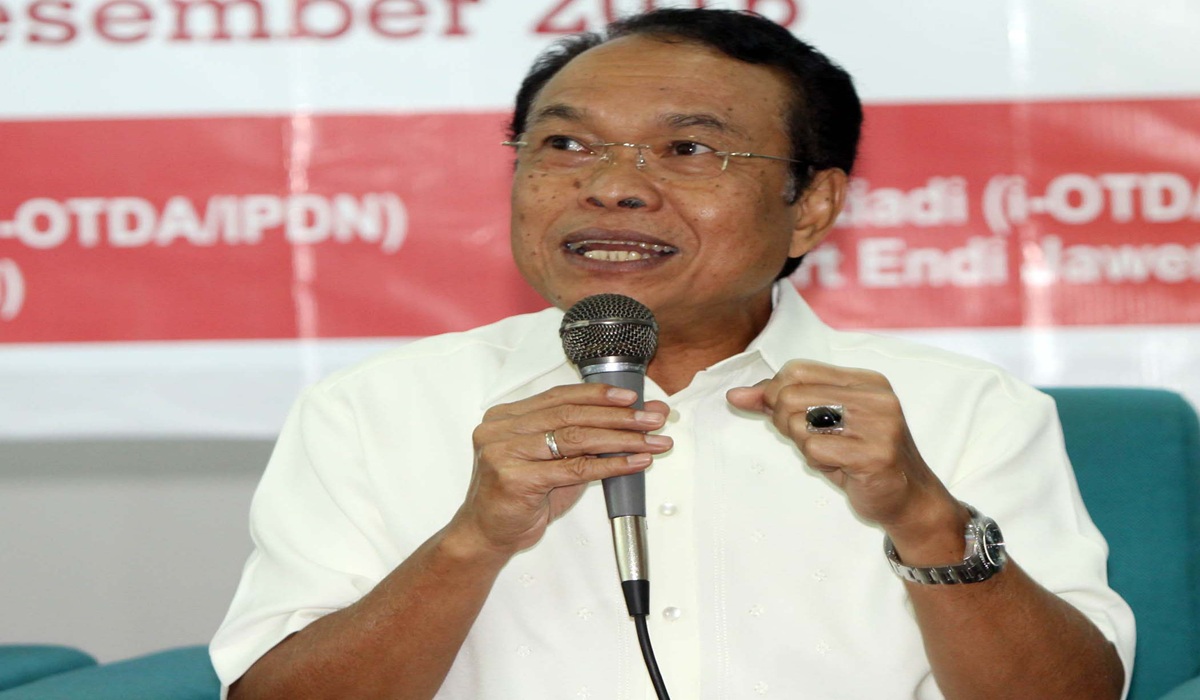
Institute of Home Affairs Governance (IPDN) Professor Djohermansyah Djohan has stated that the issue of 39 regions struggling to pay the salaries of Government Employees with Work Agreements (PPPK) must become the responsibility of the central government. He argued that the central government bears a moral and constitutional responsibility to ensure the sustainability of the PPPK programme, which was part of a national agenda to expand job opportunities in the government sector. “If employees have been recruited but cannot be paid, or are even dismissed, it means the central government has also failed in promoting job creation,” Djohermansyah said. He explained that when the PPPK recruitment process began, there was an expectation that funding would be supported by the State Budget (APBN). However, the financing burden has largely been borne by Regional Budgets (APBD), which are increasingly strained due to adjustments and reductions in Transfers to Regions (TKD). Djohermansyah also highlighted the budget efficiency policy that has significantly reduced TKD allocations, causing several regional governments to face financial pressure and deficits in financing employee expenditure. In some cases, employee spending has exceeded the capacity of the General Allocation Fund (DAU). He assessed that this reflects an imbalance in the implementation of the Law on Central and Regional Financial Relations, particularly regarding the division of authority and funding support. To prevent disruption to public services, Djohermansyah proposed that the central government cover the PPPK salary budget shortfall by utilising state reserve funds and reallocating budgets from lower-priority programmes. He noted that many PPPK personnel are placed in essential service sectors such as education, health, firefighting, and sanitation, meaning any failure to resolve the issue will directly impact the public.