
Regions Strengthen Measles Immunisation and Early Vigilance
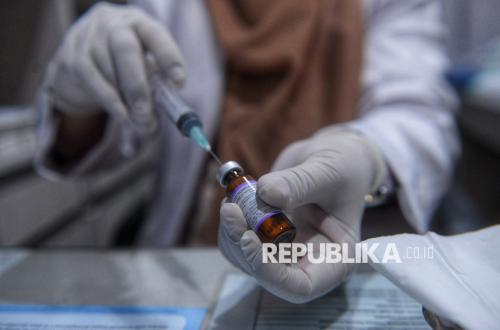
Efforts to suppress the spread of measles in various regions are being reinforced. The central and local governments emphasise that increasing immunisation coverage and early detection are the primary keys to preventing surges in cases, especially among children, the most vulnerable group.
Chair of the Indonesian Epidemiology Experts Association (PAEI) in Lampung, Ismen Mukhtar, reminded that measles is a highly contagious disease that spreads through the air and droplets. Therefore, protection through vaccination is the most effective step to reduce transmission risk.
“If immunisation coverage is high, herd immunity will form, allowing the spread to be controlled. Conversely, if immunity is low, the risk of complications and death in children increases,” he said.
He explained that although measles is often considered a mild illness, complications such as diarrhoea and pneumonia can be fatal, particularly in unvaccinated children. This situation is worsened by the decline in immunisation coverage during the COVID-19 pandemic, which has weakened population immunity levels.
In Lampung, the local government is strengthening preventive measures through increased outreach and vaccine provision. Deputy Governor Jihan Nurlela assured that vaccine distribution from the central government has been carried out as part of anticipatory efforts.
According to her, although recent data does not show worrying surges, vigilance must still be heightened, especially by expanding education at community health centres and among the public.
Signals of vigilance are also evident in Subang Regency. The local Health Department has recorded hundreds of measles cases from 2025 to early 2026, with dozens confirmed positive. These findings affirm that measles has not been fully eradicated and remains a public health threat.
Head of Disease Prevention and Control at the Subang Health Department, Indriati Oetama, stated that if more than five suspected cases are found in one area, it can already be categorised as an extraordinary event requiring serious handling.
In response, the local government is intensifying catch-up immunisation programmes, particularly for children aged 9 to 59 months, utilising services at integrated health posts, community health centres, and early childhood education facilities.