
Regional Tax Incentives and Odd-Even Policy Set to Boost Private SPKLU Investments
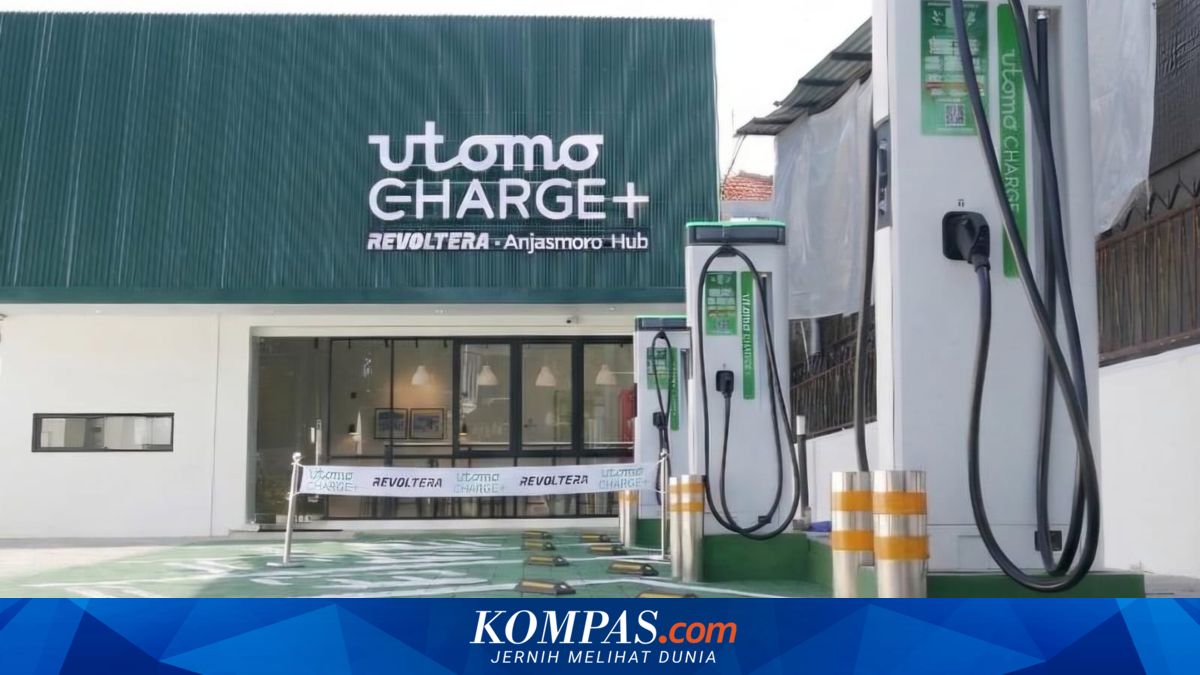
JAKARTA, KOMPAS.com - Regional government support for accelerating the electric vehicle ecosystem is considered a positive signal for private sector investment in public electric vehicle charging station (SPKLU) infrastructure.
This support includes exemptions from regional taxes and relaxations of the odd-even policy for electric vehicles.
Anthony Utomo, Chairman of the Indonesian Private Public Electric Vehicle Charging Station Owners Association (Aspelusi) and Managing Director of Utomo Charge+ at PT Utomo Mobilitas Bersih Indonesia, stated that regional government policies contribute to creating market certainty for businesses.
“When regional governments provide tangible incentives to electric vehicle users, the dominant effect is immediately felt by the supporting industries, particularly the SPKLU sector. This builds confidence among the private sector that Indonesia’s EV market will grow faster and healthier,” Anthony said in an official statement on Thursday (7/5/2026).
Anthony explained that the main challenges for SPKLU investment have not only been related to technology and initial capital needs.
Other issues also concern certainty of utilisation and the growth of the electric vehicle population.
According to him, exemptions from vehicle taxes and relaxations of the odd-even rules increase the attractiveness of owning electric vehicles (EVs), especially in large cities with high mobility.
Aspelusi assesses that this momentum needs to be responded to with accelerated development of charging station networks on a broader and more even scale.
“We see this as no longer just a charging station business, but part of the national energy and mobility system transformation. The private sector must start viewing SPKLU as future infrastructure, as important as petrol stations in the era of conventional vehicles,” he added.
Collaboration between the government, PLN, charging operators, landowners, shopping centres, commercial areas, and the logistics sector is considered key to accelerating the national electric vehicle ecosystem.