
Regional Governments, Procurement Reform, and Strengthening PBJ Human Resources
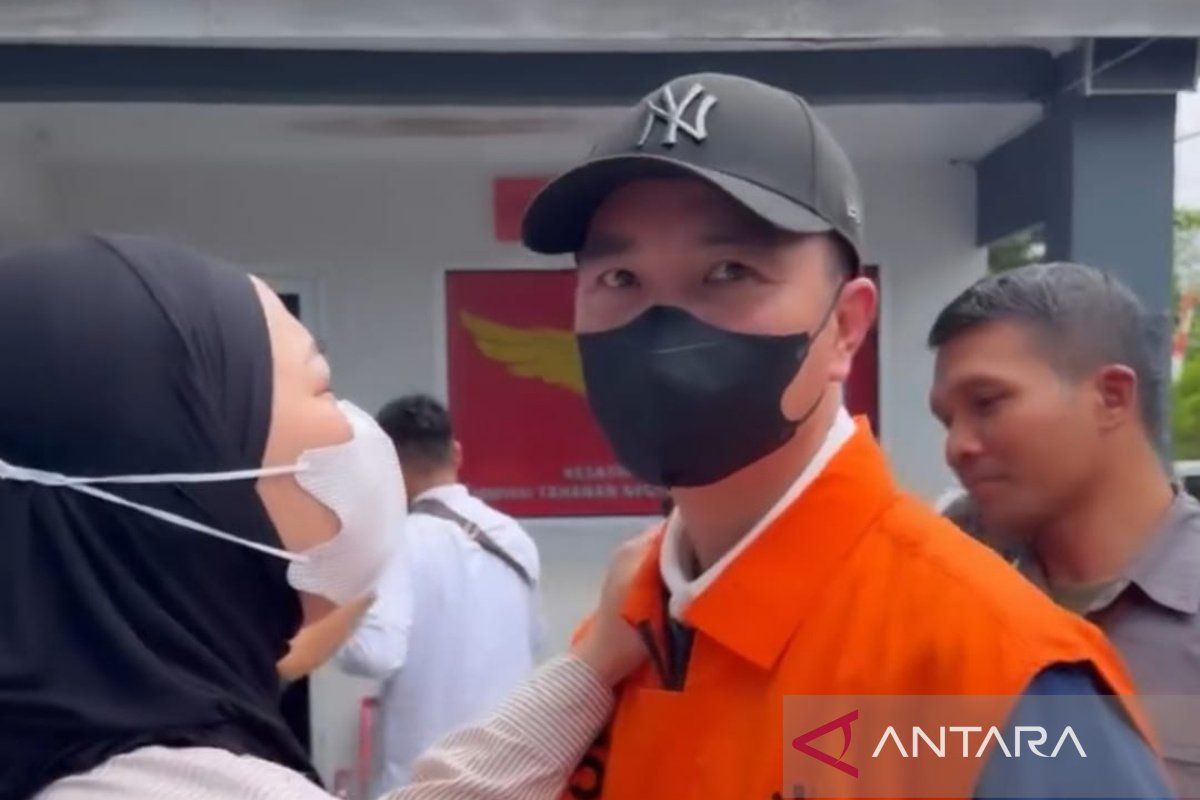
Jakarta (ANTARA) - Why does corruption among regional heads never truly end? This question continues to echo in the public sphere every time law enforcement agencies announce the arrest of regional leaders entangled in corruption cases.
Amid various efforts towards bureaucratic reform, the strengthening of oversight systems, government digitalisation, and the refinement of goods and services procurement regulations, corrupt practices at the local government level continue to recur. This phenomenon demonstrates that the problem is no longer merely related to weak individual integrity, but rather reflects a more fundamental issue: the lack of robust local government governance capable of closing the space for the abuse of authority.
The wave of enforcement actions carried out by the Corruption Eradication Commission (KPK) throughout 2026 vividly illustrates this picture. Ironically, within a relatively short period following the 2024 Regional Head Elections and the simultaneous inauguration of regional heads on 20 February 2025, several leaders who had just gained political legitimacy from the public have already faced legal processes for alleged corruption.
The constitutional mandate, which should be realised through public services, regional development, and accountable financial management, has in some cases instead turned into the abuse of power for personal or group interests.
According to data, from January to early July 2026, at least nine regional heads were caught in sting operations (OTT) conducted by the KPK. These enforcement actions revealed various modes of corruption, ranging from bribery and irregularities in the procurement of goods and services to extortion practices related to the use of official authority.
This recurring pattern shows that the government goods and services procurement sector remains one of the most vulnerable points to corruption, as it brings together political authority, large-scale budget management, and broad administrative discretion. This series of enforcement actions should not only be understood as a success for law enforcement but should also serve as an evaluation of the effectiveness of local government governance design.
From these various corruption sting operations, a single, undeniable conclusion can be drawn: corruption at the regional level has transformed into a practice that is institutionalised within local power mechanisms. The methods may differ, but the substance remains the same: abuse of power.
Without integrated improvements—ranging from procurement systems and the strengthening of internal oversight to the reformulation of local political financing—this pattern will continue to repeat, appearing as an endless cycle within the landscape of Indonesian local government.
On one hand, the public deserves to appreciate the KPK’s rapid response in conducting sting operations in various corruption cases involving regional heads. Such swift enforcement is crucial to preventing greater state losses, considering that the Regional Revenue and Expenditure Budget (APBD) is the primary instrument for regional development, which should be managed accountably for the public interest.
With the high number of sting operations in recent years, a fundamental question arises: to what extent can enforcement mechanisms create a deterrent effect for local government officials? The fact that corrupt practices continue to occur shows that this issue cannot be resolved solely through a repressive approach, but requires more comprehensive systemic improvements.
From a policy orchestration perspective, the Ministry of Home Affairs, as the agency responsible for supervising local government administration, needs to strengthen oversight mechanisms, performance evaluations, and integrity training for regional heads and local bureaucratic apparatus.
On the other hand, agencies with authority over bureaucratic governance and government procurement, such as the Ministry of Administrative Reform and Bureaucratic Reform and the National Public Procurement Agency (LKPP), also hold strategic roles in strengthening a transparent and accountable governance system.