
Regenerative Stem Cell Technology Gains Popularity for Healthy Ageing
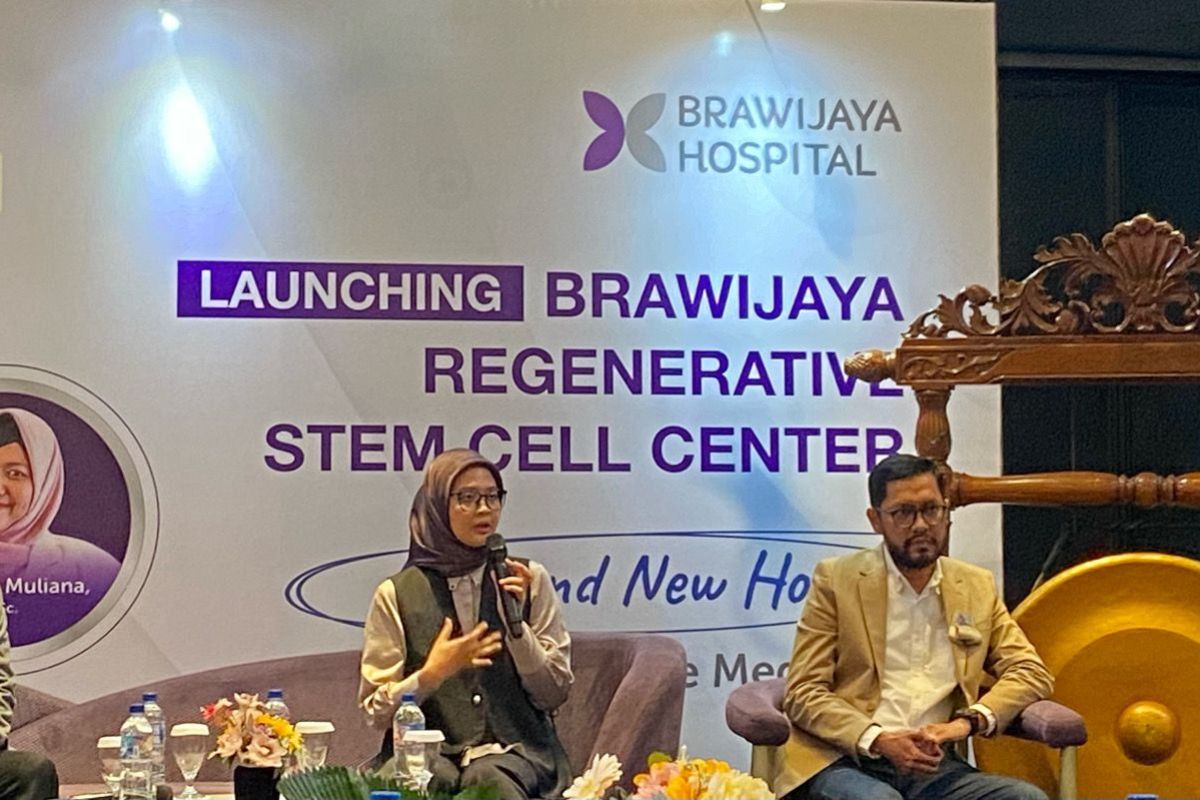
Jakarta (ANTARA) - Regenerative technology is becoming increasingly popular among the Indonesian public as awareness grows regarding the importance of maintaining quality of life and undergoing the ageing process healthily (healthy ageing).
Dr Tasya Anggrahita, a plastic and aesthetic surgeon at Brawijaya Hospital, stated that the development of stem cell-based therapy marks a new era in healthcare. This era focuses not only on treating symptoms but also on repairing tissue and cell functions that have declined due to the ageing process.
“While therapies such as Botox or fillers are temporary—returning to their original state once the effects wear off—stem cells are different because they work to repair and regenerate cells that have experienced functional decline due to ageing,” Dr Tasya said in Jakarta on Thursday.
According to her, current beauty and health trends have shifted from merely improving outward appearance towards a more holistic approach, focusing on healthy living concepts to ensure better quality of life into old age.
Tasya explained that the ability of stem cells to assist in cell regeneration distinguishes this therapy from several conventional aesthetic procedures that generally only provide temporary effects.
“Stem cells work to repair and regenerate cells that are nearly dead, aged, or experiencing functional decline, so they can return to working more optimally,” she said.
“The ageing process cannot be stopped. What can be done is to help repair and optimise cell function so that the process can be slowed down and tissue quality can be better maintained,” she added.
In addition to aesthetic needs, regenerative technology is also advancing in the field of orthopaedics to assist in the recovery of tissues experiencing injury or degeneration.
“Stem cells and their derivatives have regenerative effects and stimulate the recovery of diseased body cells. Their applications are broad, ranging from tendons, joint cartilage, ligaments, and menisci to spinal discs that have suffered injuries,” said Dr Auliating.
The development of regenerative therapy is also accompanied by the strengthening of safety and regulatory aspects. In Indonesia, the use of stem cells for healthcare services is regulated through service standards set by the Ministry of Health and can only be performed by healthcare facilities that meet specific requirements.
“Safety is the most important factor. Therefore, the source of the stem cells, the production process, and laboratory certification must be clear so that the quality and safety of the therapy can be guaranteed,” she concluded.