
Regarding PhD Examination Rules, Analysts: Empirical Competence is Required, Not Academic Degrees
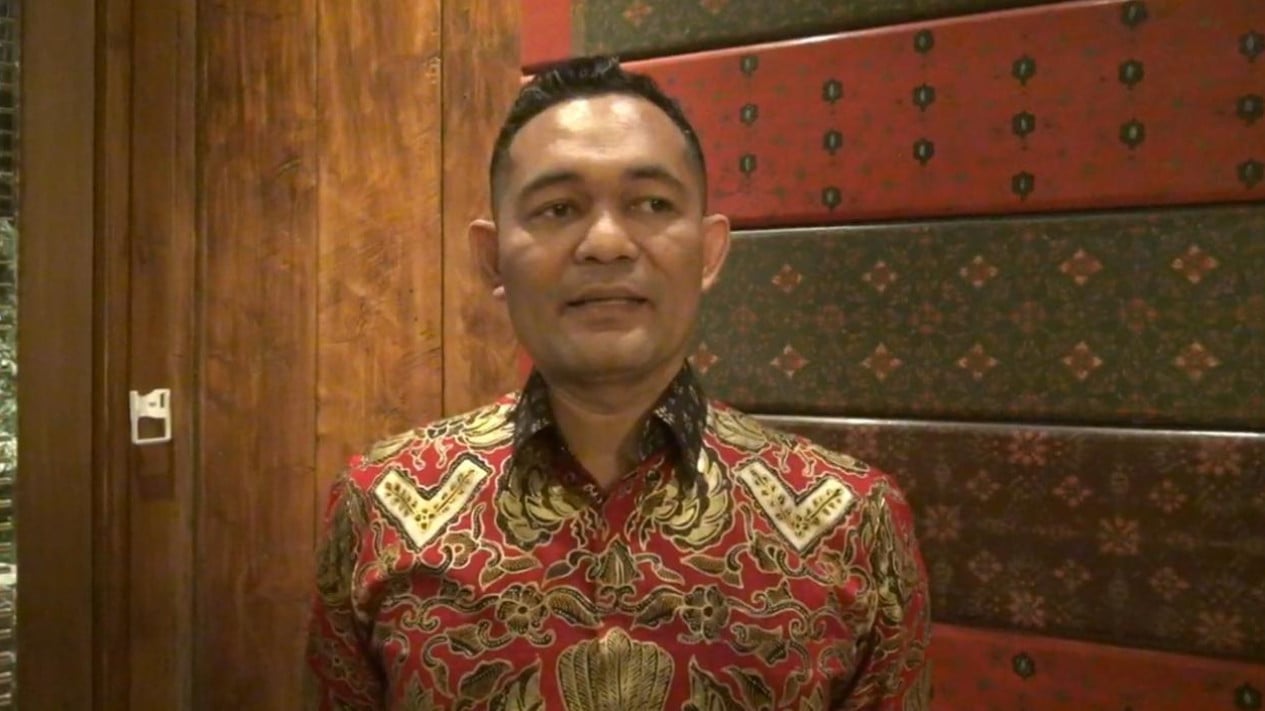
Political and legal analyst Boni Hargens agrees with Professor Gayus Lumbuun regarding the testing process for doctoral (PhD) programmes. The Indonesian academic world is currently debating the standards and procedures within the doctoral examination process. This debate revolves around who is entitled to provide assessments at the highest level of education, particularly concerning the involvement of experts who do not formally hold academic degrees equivalent to the level being examined.
Boni asserts that a practitioner or expert possessing specific competence can examine PhD students even without holding a doctoral degree. He believes that a forensic expert, widely recognised for their expertise and experience, can be invited as an examiner in a doctoral dissertation defence if the focus of the study relates to forensic practice and science.
“What is required there is empirical competence, not academic degrees,” Buju stated in a written statement on Tuesday, 8 September 2026. Proven expertise in the field serves as a valid foundation for involvement in the highest academic examination process.
“A person possessing empirical competence in this illustration has the expertise to assess whether the applied research instruments align with the research objectives and/or whether data is obtained in accordance with scientific data collection methods in the field being studied,” added Boni.
It is noted that Professor Gayus Lumbuun, a Professor at Universitas Krisnadwipayana (Unkris), has clarified the controversy regarding the involvement of experts in the doctoral examination process. According to Gayus, an individual who does not possess the same degree or professional background as the student being examined can still be involved in the academic process if they possess relevant expertise, particularly in the capacity of a research instrument validator.
The instrument validator in question refers to a person with specific competence requested to provide an assessment of the instruments used in the research. Ultimately, research instruments are a central component as they are used to measure research variables within the context of data collection. Typically, before being utilised, research instruments may first be assessed by experts to ensure that the questions, indicators, or measurement methods are aligned with the study’s objectives.