
Refusing Resignation in Old Age: The Story of 55 Bontang Elderly Weaving Hope through Home Care
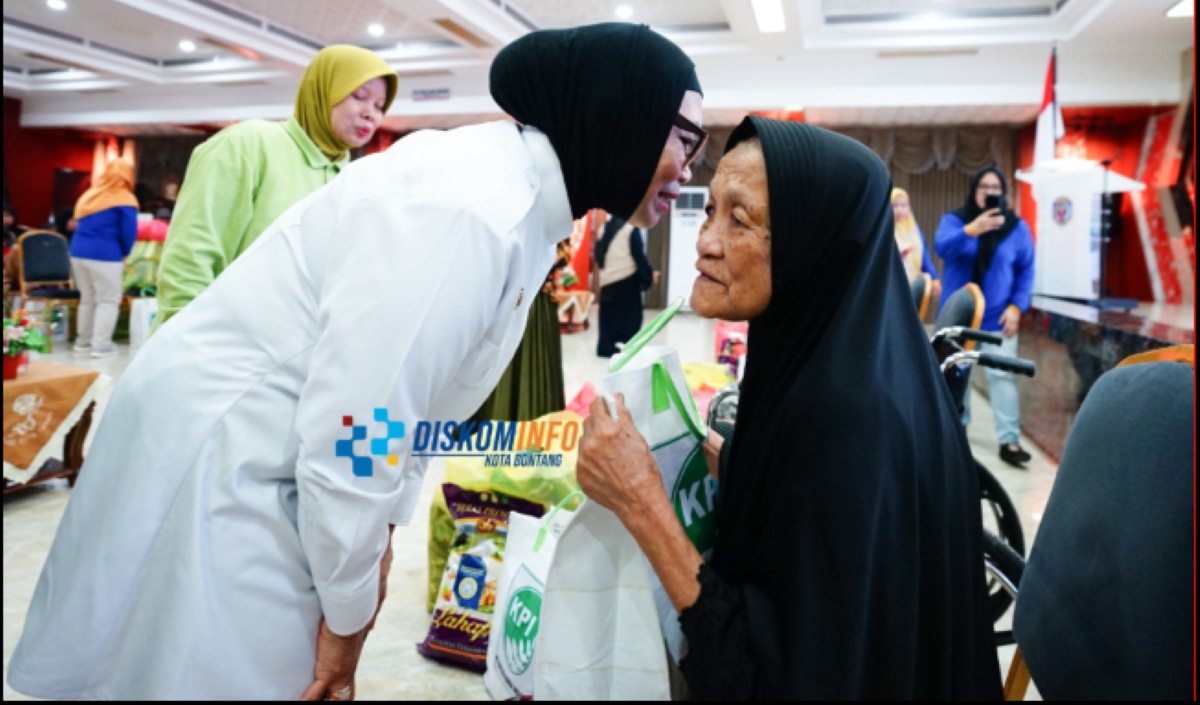
Morning crept slowly into the 3D Auditorium in Bontang City. In a corner of the room, the lines of fatigue on the faces of dozens of elderly residents gradually gave way to faint smiles. That Saturday, 4 July 2026, marked a heartwarming new chapter for those who often struggle in solitude amidst the dynamics of urban modernisation. The Social Welfare Institution (LKS) Pandu Qolby Foundation took concrete action by extending a helping hand to those in need. The foundation handed over basic needs packages to 55 elderly residents in Bontang. This humanitarian agenda was not merely a ceremonial distribution of groceries; it was coupled with intensive health education aimed at preserving the quality of life for the elderly in their remaining years. The tactical step taken by the Pandu Qolby Foundation has a strong foundation. The foundation’s chairperson, Suratmi, explained that the strategic assistance was sourced from the East Kalimantan Provincial Government’s Planned Social Assistance. The Home Care programme is specifically designed to target neglected elderly individuals who survive with limitations and are validated in the National Integrated Social Data (DTSN). The distribution of beneficiaries covers a wide area, reaching densely populated settlements and coastal regions of Bontang. The 55 elderly recipients hail from eight urban villages, with the highest numbers in Berbas Tengah (17 people) and Berbas Pantai (14 people). Other areas include Api-Api (6 people), Bontang Baru (3 people), Bontang Kuala (2 people), Guntung (8 people), Gunung Elai (1 person), and Tanjung Laut Indah (4 people). Bontang Mayor Neni Moerniaeni reinforced the local government’s position in responding to social welfare issues. For Neni, deep attention to vulnerable groups is not just a moral obligation but a legal instrument structurally bound to regional policy. This development priority is officially outlined in the Regional Medium-Term Development Plan (RPJMD) and realised through the 2026 Bontang City Budget (APBD). ‘We have included social programmes in the Bontang City RPJMD and they have been executed in the 2026 Bontang City APBD. One of them is assistance for children with disabilities, underprivileged children, underprivileged adults, including the elderly and poor families. We provide assistance of Rp300,000 per month,’ said Neni. This cash stimulus policy is projected to serve as a crucial economic buffer at the grassroots level. However, the scheme requires strict public oversight to ensure its implementation is on target. Therefore, the mayor called on all levels of society to actively monitor and provide feedback for future programme improvements. ‘If you have suggestions, please convey them to the Social Services Agency,’ she said. According to Neni, the essence of the Home Care movement lies in its personal approach. Officers and volunteers do not just wait in the office; they actively reach out, knocking on the doors of elderly residents who are increasingly frail with age. Through this collaboration, the physical limitations that often prevent the elderly from accessing public facilities are overcome by bringing services directly to their homes. ‘The Bontang City Government expresses its gratitude for the dedication of the Pandu Qolby Foundation in helping to implement and collaborating to make the city government’s programmes a success. This synergy is very meaningful to ensure social assistance reaches the people who truly need it,’ she said. The gathering at the 3D Auditorium concluded with an interactive health education session. The elderly were taught healthy living habits for old age, nutrition management, and underwent simple physical check-ups.