
Reducing Plastic Waste: This Waste Bank Turns Rubbish into Fuel
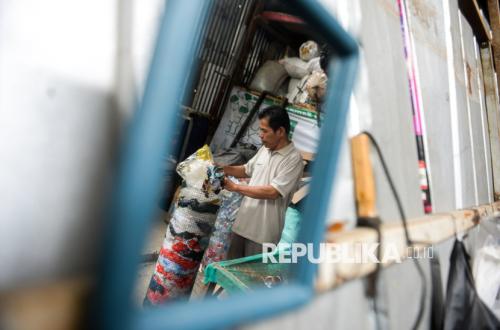
Dadang, 54, an organiser at Bank Sampah Anggrek, processes plastic waste into fuel in Karet Kuningan, Jakarta. The initiative aims to reduce the accumulation of household plastic waste while turning it into fuel that can support the waste bank’s operations.
Dadang prepares plastic waste collected by local residents to be processed into fuel at Bank Sampah Anggrek. The non-biodegradable material is used as a feedstock to reduce the amount of waste in the surrounding area.
The plastic is processed using pyrolysis, in which material is heated in conditions with little or no oxygen to produce products such as oil. The method has been used in various efforts to make use of plastic waste, but requires suitable equipment and safety controls.
Dadang uses a 200-litre drum to process the plastic waste at the waste bank in Jakarta. Each processing cycle takes around five hours.
About 20 kilograms of plastic waste is processed in each cycle to produce a fuel known as petasol. According to the operator’s estimate, each kilogram of plastic can yield around 0.8 litres of fuel, although the amount may vary depending on the type of plastic and processing conditions.
The fuel produced is used to support the work of Bank Sampah Anggrek in Karet Kuningan, including powering a motorised cart and a waste-shredding machine.
Turning plastic into fuel is one of the ways Bank Sampah Anggrek is dealing with household waste. However, pyrolysis needs to account for emissions, residue management and the safe use of the fuel to ensure it does not create new environmental problems.
Dadang said the primary aim of processing plastic waste at Bank Sampah Anggrek was not simply to produce fuel, but to reduce the amount of waste in the surrounding area. The initiative demonstrates one way to make waste useful, while underscoring the need for safe and responsible management.
Bank Sampah Anggrek RW 01 in Karet Kuningan, Jakarta, has introduced an initiative to turn plastic waste into fuel. Using pyrolysis, Dadang, 54, an organiser at the waste bank, processes around 20 kilograms of plastic in a five-hour cycle. The resulting fuel, known as petasol, has an estimated yield of around 0.8 litres per kilogram of plastic.
The initiative is intended not only to produce fuel, but also to reduce the build-up of plastic waste in the area. Petasol is used to support the waste bank’s operations, including powering a motorised cart and a waste-shredding machine. The project shows how difficult-to-decompose waste can be put to use, although safety and environmental impacts still need to be considered.
Source: jawawa.id (https://jawawa.id/newsitem/reducing-plastic-waste-this-waste-bank-turns-rubbish-into-fuel-1792727483)
Originally published by Republika (https://visual.republika.co.id/berita/tncayh375/kurangi-sampah-plastik-bank-sampah-ini-olah-limbah-jadi-bbm), translated from Indonesian