
Red White Village Cooperatives and Efforts to Transform Village Economies
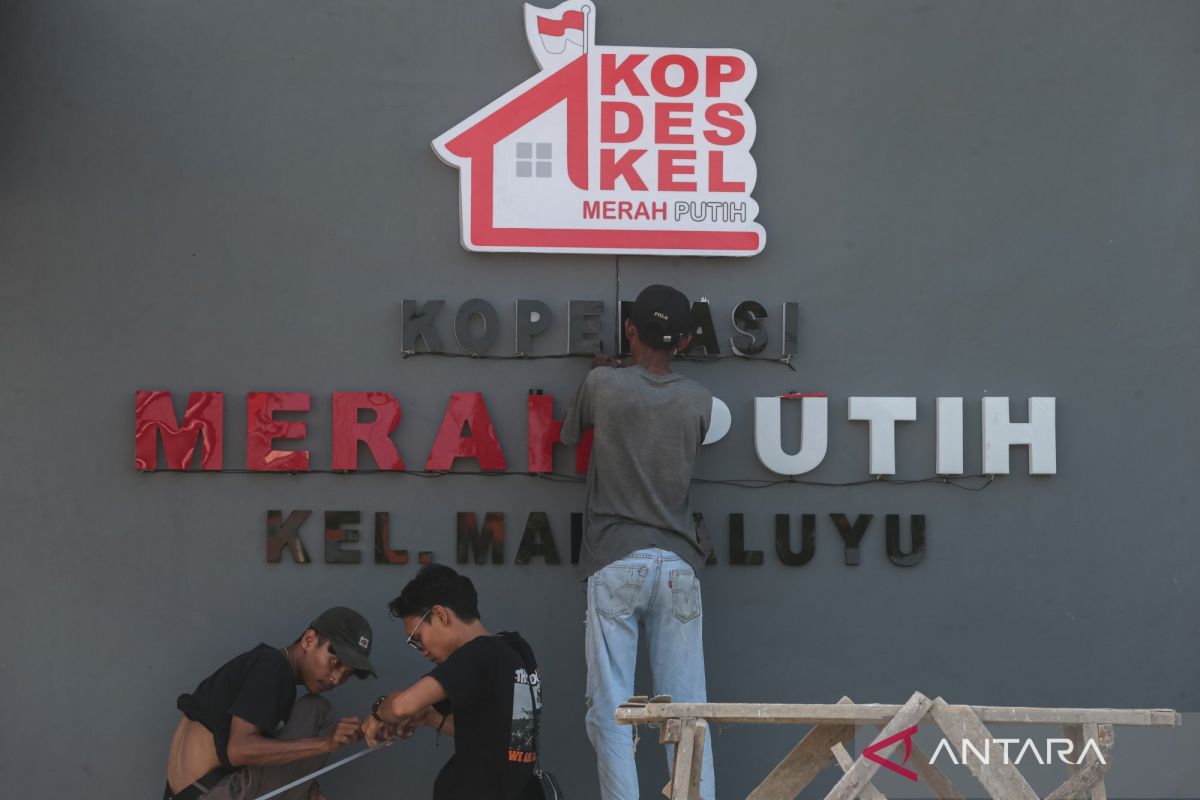
The success of the Red White Village Cooperative (Kopdes Merah Putih) programme will be greatly determined by the ability to maintain a balance between government intervention and strengthening the basic principles of cooperatives. Jakarta (ANTARA) - The direction of the Red White Village Cooperative (Kopdes Merah Putih) is increasingly evident as an effort to promote village economic transformation; it is not only aimed at strengthening the people’s economy through cooperatives but also at combining various policy instruments into one programme. These instruments include job absorption through the recruitment of 30,000 managers, financing support through the State Revenue and Expenditure Budget (APBN), and empowering poor communities receiving the Family Hope Programme (PKH) as members or even employees of the cooperative. The government previously announced the opening of recruitment for 30,000 positions as managers of Kopdes Merah Putih. Registration will be open from 15 to 24 April 2026. Those who pass the selection will work under the auspices of the state-owned enterprise PT Agrinas Pangan Nusantara with a fixed-term employment agreement (PKWT) for two years. This means that for the first two years, Kopdes Merah Putih will be managed by the recruited managers through Agrinas. The goal is to ensure that the cooperative’s operations run in a modern and professional manner before being fully handed over to the management. In addition, the government has also ensured the involvement of PKH recipient communities to join as members or employees of the cooperative. It is hoped that additional income from the remaining business results (SHU) or jobs in the cooperative can help beneficiary families escape the poor category, especially in Decile 1 groups (extremely poor) and Decile 2 (poor). This government approach demonstrates an effort to promote more integrated village economic change through cooperatives. However, the more functions that are linked into one programme, the greater the demands on the readiness of the supporting ecosystem. Therefore, the main challenge now is not only in policy design but also in its implementation capacity at the village level.