
Red Meat Benefits for Embryo Quality and Fertility Nutrition Tips
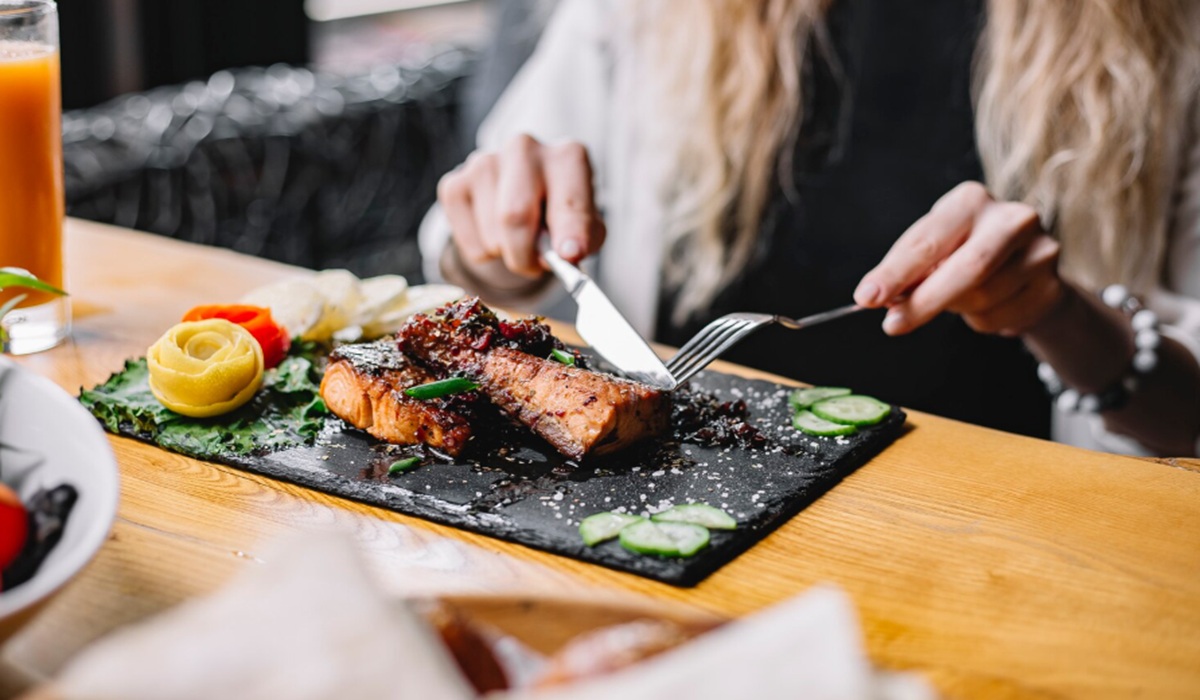
Embryo quality is a key determinant of successful pregnancy outcomes, including in vitro fertilisation (IVF) treatments. Professor Dr. Budi Wiweko, Chairman of the Indonesian Obstetrics and Gynaecology Association (POGI), stated that proper nutrition, particularly red meat protein, plays a crucial role in this process.
During a health discussion at RSCM Jakarta on Thursday, 28 May, Prof. Budi explained that regular red meat consumption should begin at least two weeks to two months before starting fertility treatment, which is believed to significantly improve embryo quality.
‘Protein is essential. In IVF, minerals and zinc are vital for fertilisation, and calcium is also very important,’ Prof. Budi said.
He emphasised that nutrition affects both egg and sperm quality, so both partners must pay attention to their diet.
Prof. Budi also highlighted the importance of maintaining an ideal body weight. Both obesity and underweight conditions are detrimental to egg quality. Therefore, nutrition adjustments, including protein, calcium, zinc, and minerals, are tailored by doctors based on individual patient conditions, especially if previous fertilisation attempts failed.
Similarly, fertility specialist Dr. Gita Pratama noted that while red meat is beneficial, excessive consumption should be avoided, particularly for endometriosis patients.
‘Endometriosis patients tend to experience increased inflammatory factors when consuming too much red meat,’ Dr. Gita explained. She recommended combining animal proteins (chicken, fish, eggs) with plant-based proteins like tempeh and tofu.
Fibre is another essential component; deficiency can cause gut abnormalities that trigger inflammation, ultimately lowering egg and sperm quality.
Experts also advise against grilling or frying meat until dry, to preserve DNA integrity during fertilisation.
The Government’s Free Nutritious Meal Programme (MBG) is not merely about distributing meals at schools but a strategic intervention to break the cycle of malnutrition among vulnerable groups.