
Red Cross: Nepal Flood Trauma Severe, 93,000 People Affected
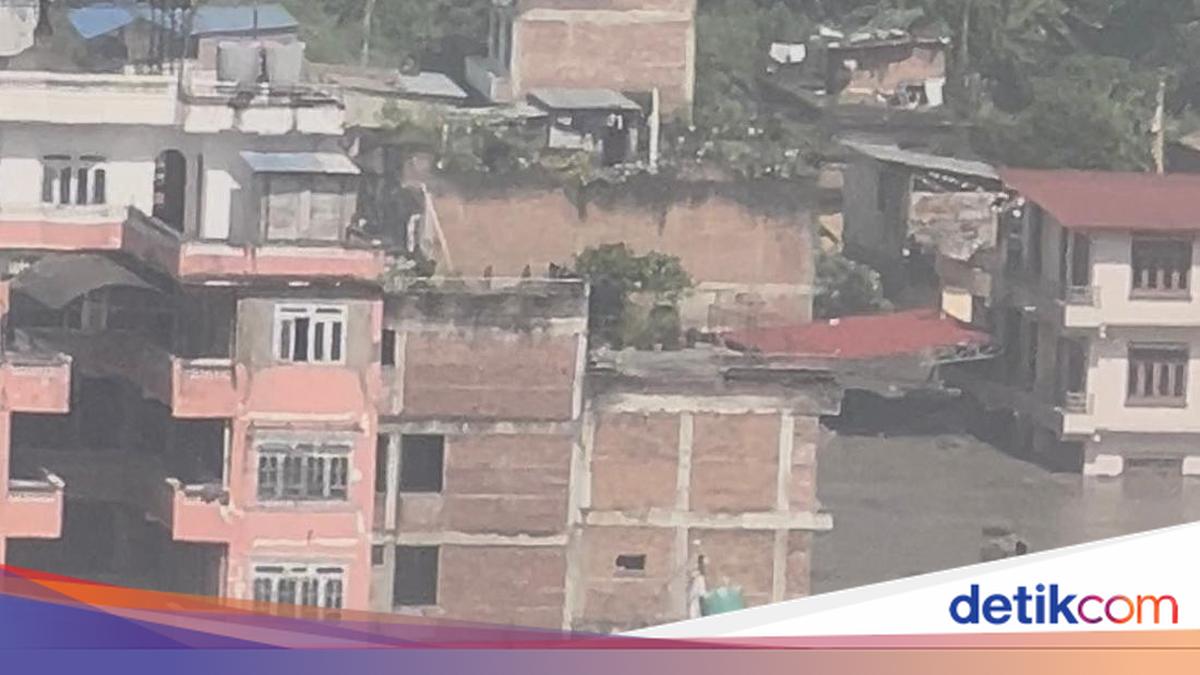
The Red Cross has said the Nepal-Tibet flood disaster has left an enormous level of trauma. The Red Cross estimates that 93,000 people may have been affected.
According to AFP, Saturday (29/8/2026), the International Federation of Red Cross and Red Crescent Societies (IFRC), the world’s largest humanitarian network, fears the death toll from the disaster, which has already exceeded 500, will continue to rise.
“Because roads and bridges have been swept away by floods and power networks have suffered outages, we have not yet been able to access some of the worst-affected areas,” said David Fisher, head of the IFRC delegation for Nepal.
“The trauma from this event is immense,” he told a press conference in Geneva, speaking from Kathmandu.
Fisher said thousands of homes have been destroyed. He estimated that 93,000 people have been affected by the devastating flash floods.
“Thousands of homes have been destroyed or severely damaged. We believe at least 93,000 people have been affected and are in dire need,” he explained.
The Nepal Red Cross has begun providing emergency assistance, including food, water, hygiene kits, mattresses and blankets.
The floods and landslides that struck Nepal and China’s autonomous region of Tibet caused tsunami-like walls of water that buried homes, destroyed bridges, and swept away vehicles.
UN relief chief Tom Fletcher said on X that the UN is “moving quickly to save lives”.
The UN Coordinator for Nepal, Lila Pieters Yahia, said drinking water is being flown to affected areas.
“The damage is truly extraordinary,” she told a press conference, speaking from the field. She added that more than 40 bridges have been destroyed or severely damaged and more than 40 kilometres of roads have been completely destroyed.
She said search and rescue operations are the government’s priority.
Meanwhile, the Head of the UN Office for Disaster Risk Reduction, Kamal Kishore, told the press conference that the flash flood disaster is extremely devastating.
“We have not seen a mountain disaster like this in a long time. It is truly massive and we are still trying to come to terms with the scale of the damage,” Kishore said.
He said the disaster is occurring within an ecosystem where one disaster can trigger “various cascading hazards”.
The UN children’s agency, UNICEF, said at least 14 children have been confirmed dead.
“Sadly, we are only seeing the beginning of this tragedy,” spokesperson Ricardo Pires told reporters.
“For those who survived, this emergency is far from over. Children now face increased risks of disease, malnutrition, violence and exploitation, as well as the psychological impact of what they have experienced,” he added.
He said 18 schools have been destroyed and 20 others damaged, and an estimated 10,000 children urgently need assistance to continue their education.
The World Health Organization (WHO) said eight health workers are missing and six health facilities have been damaged.
“The priority is to ensure continuity of health services,” said WHO spokesperson Tarik Jasarevic.
He said the UN health agency has sent surgical masks, gloves, and body bags to Nepal.