
Recurring Fires: Observers Urge Against Partial Handling
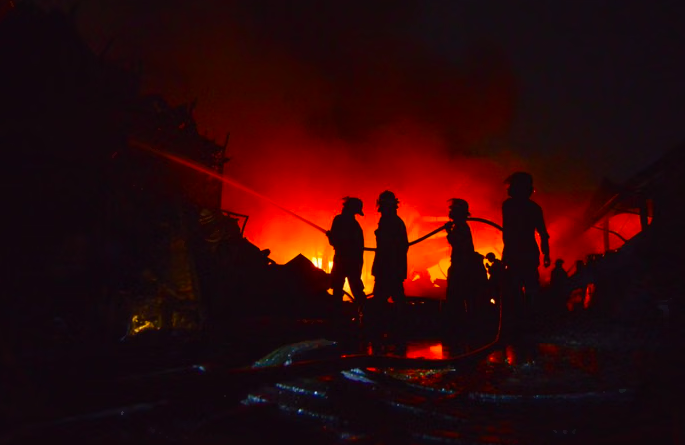
The recurring fire incidents across various regions of Jakarta are viewed as a latent issue that has yet to be addressed comprehensively. Urban planning observer Bakti Setiawan emphasised that fires in densely populated residential areas require serious attention from the government and all stakeholders.
“The issue and cases of fire are latent in nature. So far, they have never been handled comprehensively, which is why they continue to recur. This situation must not be allowed to persist because the impact on citizen safety and the quality of the residential environment is immense,” Bakti stated when contacted on Tuesday.
According to him, the current approach to fire management focuses too heavily on firefighting efforts during an incident. In contrast, preventative measures should receive a much larger share of resources to suppress fire risks from the outset.
He explained that several aspects need strengthening within the prevention strategy. Firstly, there must be an increase in public awareness regarding fire hazards, particularly those originating from household electrical installations and the use of electronic equipment that does not meet safety standards.
Furthermore, the government needs to accelerate infrastructure improvements in densely populated residential areas that are currently vulnerable to fire. Narrow neighbourhood roads, tightly packed buildings, and limited access for fire engines often exacerbate the impact when a fire occurs.
“Improving infrastructure in dense neighbourhoods must be a priority. Many areas are physically very vulnerable, so when fire breaks out, the spread is extremely rapid,” he said.
He also urged stricter law enforcement against the practice of using illegal electrical connections, which are still found in several residential areas.
“Increasing community capacity is vital. Residents must possess the knowledge, basic equipment, and adequate preparedness systems to manage fires within their own neighbourhoods,” Bakti concluded.